Safety in modern healthcare and workplaces should be treated as a continuous, real-time process rather than a static checklist. Continuous monitoring helps organizations turn large amounts of health data into clear, actionable insights. By adopting proactive “smart monitoring,” leaders can detect risks early and improve safety for employees and patients. However, successful digital transformation requires systems that integrate smoothly with existing platforms to avoid creating new data silos.
Key Highlights
- Continuous monitoring is crucial for enhancing employee wellness and safety by allowing organizations to track health and safety metrics in real-time, helping to identify risks before they escalate.
- Implementing continuous monitoring tools enables employers to make informed decisions about workplace conditions, promoting adjustments that improve employee well-being and productivity.
- This strategy supports remote workforces by ensuring that employees feel valued and supported, regardless of their physical location, thus enhancing overall job satisfaction.
- Continuous monitoring fosters a culture of accountability and transparency, alleviating employee concerns about safety and demonstrating an organization's commitment to their health.
- By systematically tracking health indicators and workplace conditions, continuous monitoring helps organizations identify stressors affecting employee well-being and mental health, leading to timely interventions.
- The integration of continuous monitoring into wellness initiatives supports a holistic approach to employee health, addressing both physical and mental health needs effectively, ultimately benefiting both employees and the organization.
Digital Readiness Assessment
| Readiness Factor | Lagging Indicators | Transformation Ready |
| Data Accessibility | Technical "Medicalese" that confuses staff. | Visual, plain-language reports |
| Response Speed | Identifying risks during audits. | Real-time automated alerts. |
| Data Literacy | 9/10 people can't read the data. | 70%+ engagement with "Smart Reports". |
Understanding Continuous Monitoring
At its core, continuous monitoring is the relentless, automated collection and analysis of data to detect threats, whether that’s a spike in workplace stress or an environmental hazard, before things go sideways. It’s about moving from "what happened?" to "what is happening right now?".
Healthcare leaders ask us all the time: "Won't this just overwhelm my team with more data?" Actually, it’s the opposite. By using AI to parse data, we’ve seen organizations reduce manual entry by 95% and deliver insights 66% faster. The tech does the heavy lifting so your clinicians can focus on the people.
Turn real-time workplace data into clear, actionable health insights your teams can actually use.
Explore Smart MonitoringTechnology Stack Comparison
| Component | Traditional Infrastructure | Smart Monitoring Stack |
| Integration | Siloed, manual entry. | API-ready (HL7, FHIR, SFTP). |
| Language | Primarily English jargon. | Multilingual (Arabic, Hindi, etc.). |
| Privacy | Basic security. | "Privacy-First" (HIPAA, SOC 2, GDPR). |
The Link Between Continuous Monitoring and Employee Wellness
You can’t have wellness without transparency. When you systematically track health indicators, you start to see the stressors that actually affect mental and physical health. This isn't just about safety, it’s about building institutional trust.
When employees see that their organization uses historical trend analysis, rather than just judging them on a single data point, they feel supported. It turns a scary medical process into a collaborative health journey.
For instance, using AI-powered tools like the NirogGyan Heart Risk Calculator, organizations can predict cardiovascular risks with 76% accuracy, allowing for intervention long before a clinical event occurs.
See how AI-powered health intelligence helps organizations predict risks and support employee wellness proactively.
Discover NirogGyan SolutionsKey Benefits of Continuous Monitoring for Workplace Safety
When I consult on these projects, I look for three wins: better outcomes, lower costs, and a stronger brand.
- Early Risk Detection: Spotting a hazard immediately so you can act before an accident happens.
- Data-Driven Decisions: Using real-time dashboards to put resources where they are actually needed.
- Enhanced Compliance: Staying audit-ready 24/7, which cuts down on the stress of regulatory "surprises".
- Employee Morale: People work better when they know their well-being is a priority.
Real-Time Hazard Detection
To keep a workplace truly safe, you have to move away from "lagging" indicators, things that tell you what already went wrong. By using sensors and AI, you can monitor for "leading" indicators, like noise levels or chemical exposure, in real-time. It’s about creating a pervasive "culture of safety" where everyone is informed.
Automated Alerts and Notifications
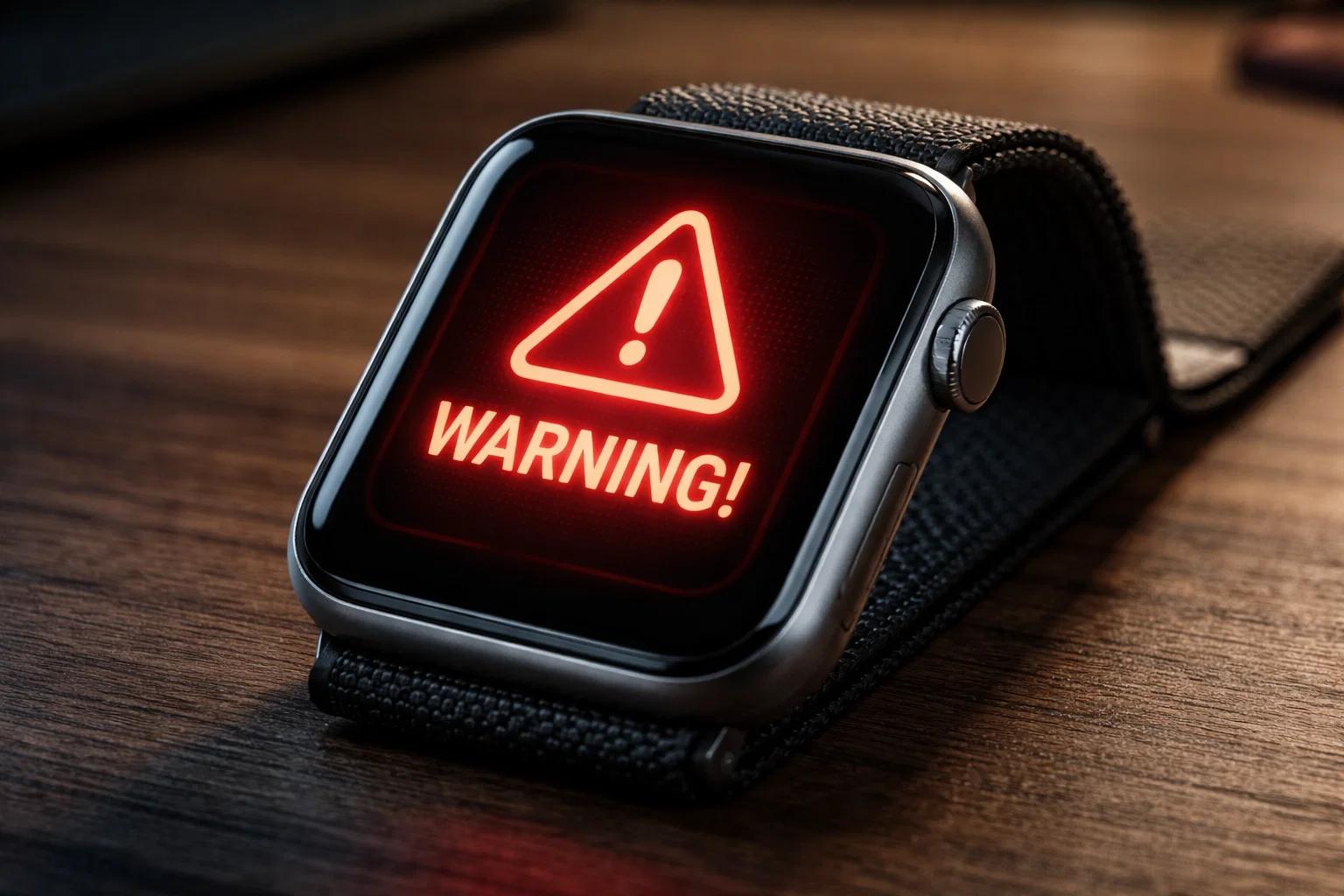
The goal is to shift from "pulling" data to having the system "push" insights to you. Automated alerts mean that if a piece of equipment fails or a health metric hits a red zone, the right person knows in seconds. Here’s how to implement this: Don’t just set up the alert; create a Standard Operating Procedure (SOP) for it so the response is automatic.
Compliance Tracking and Reporting
Traditional audits are a drain on resources. Continuous monitoring integrates risk management into your daily workflow, giving you "real-time visibility" into your compliance status. It simplifies the entire audit process and builds trust with stakeholders.
Implementing Continuous Monitoring in Your Organization
Implementation shouldn't take months. I recommend a "Get Started in Days" approach to keep your team from losing interest.
Transformation Roadmap Timeline
- Day 1: Connect. Securely link to your LIS, CRM, or environmental sensors.
- Day 2-3: Automate. Configure your report templates and workflow rules.
- Day 4: Go-Live. Launch with full support and start seeing real data.
- Ongoing: Optimize. Use your analytics dashboard to find "revenue gaps" or safety blind spots.
Choosing the Right Monitoring Tools
The tools you choose will define your culture. Is your lab truly ready for this? Make sure any vendor you consider meets these non-negotiables:
- Privacy-First: Do they follow HIPAA and GDPR with zero-footprint data policies?
- White-Labeling: Can you keep your own branding so your patients and staff trust the output?
- Interoperability: Does it connect via secure APIs (HL7/FHIR) to what you already use?
Training Employees on Monitoring Systems
A tool is only as good as the person using it. You need a strategy that includes comprehensive onboarding for new hires and hands-on learning sessions. If your team feels the system is there to help them, not just watch them, they’ll engage with it.
Measuring the Effectiveness of Continuous Monitoring
You need to track both leading and lagging indicators to see the full ROI of your transformation.
Key Performance Indicators (KPIs) for Monitoring Systems
- Incident Rates: Are you actually seeing fewer accidents?
- Response Times: How much faster are you reacting to alerts?
- Engagement KPIs: Are employees actually using the wellness apps and "Viz App" viewers?
- Cost of Safety: Are your proactive measures saving money compared to past incidents?
Implementation Checklist
- Audit Data: Identify every LIS or sensor that needs to be "live".
- Privacy Check: Verify that data is encrypted both "in transit" and "at rest".
- Set the Alerts: Define exactly who gets notified when a threshold is crossed.
- Launch Pilot: Use a 4-day sprint in one department to prove the concept.
- Review ROI: Use the dashboard to find the 15-30% in revenue gaps often hidden in manual systems.
Conclusion: The Future of Workplace Safety and Wellness
The future isn't just about the tests you run; it’s about how you communicate those results to human beings. We are moving toward the "digital health hub," where the lab becomes a long-term wellness partner rather than a one-time service provider.
By embracing continuous monitoring, you’re telling your employees that their health is worth more than a yearly check-in. You’re giving them the control, the clarity, and the safety they need to thrive.
Frequently Asked Questions
1. What is continuous monitoring in workplace safety?
Continuous monitoring is the real-time tracking of health, safety, and environmental metrics to prevent risks before they escalate.
2. How does continuous monitoring improve employee wellness?
It identifies physical and mental health stressors early, enabling timely intervention and better support.
3. Is continuous monitoring only useful for high-risk industries?
No, it benefits all workplaces by improving safety, compliance, and employee engagement.
4. How does AI enhance monitoring systems?
AI analyzes large data sets instantly, delivering faster insights and reducing manual effort.
5. Can continuous monitoring reduce workplace accidents?
Yes, by detecting leading indicators in real-time, it prevents incidents before they occur.
6. Does continuous monitoring support remote employees?
Yes, it ensures remote teams feel supported through real-time health insights and digital wellness tools.
7. How does monitoring improve compliance management?
It provides audit-ready reports and real-time compliance visibility, reducing regulatory risks.
8. Is employee privacy protected in continuous monitoring systems?
Modern systems follow HIPAA, GDPR, and privacy-first encryption protocols to safeguard data.
9. What KPIs should organizations track in monitoring systems?
Incident rates, response times, engagement metrics, and cost savings are key performance indicators.
10. How quickly can an organization implement continuous monitoring?
With plug-and-play integration, organizations can go live within days using a structured rollout plan.
“Ready to transform workplace safety from static compliance to intelligent, real-time clarity?Discover how NirogGyan’s smart monitoring ecosystem turns complex health data into actionable insights that protect your people and strengthen your organization.”