Labs, Calibrations, and Inaccurate test results -
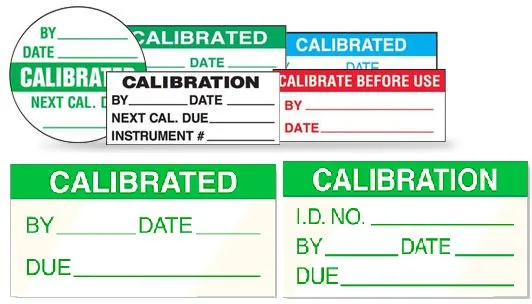
You must have seen a chit as shown in the image on the vital monitors in the hospitals, in lab test environments, in warehouses, and in manufacturing facilities. Wherever a machine is trying to give you precision data, you will see such chit.
They are called calibrations chit, and they contain information such as -
• Calibration date -
• Next calibration date -
• Technician Name and Signature -
For a layman, calibration means your phone is asking you to move the phone in a predefined up-and-down manner so it can provide you with better geolocation services. But for diagnostics laboratories, it's a process to keep the results accurate, it's a non-negotiable.
Even though laboratories must adhere to strict standards, they can still make mistakes. For instance, you might receive a false positive, where the test shows you have a condition, but you actually don't. On the other hand, a false negative can occur, indicating you don't have a condition when you actually do.
• Inaccurate results might happen because of various reasons like working conditions, fasting, and not a sufficient sample but one major cause is calibration of the machines that are performing these tests.
• Calibrations are mostly limited to machines of various kinds. For diagnostics labs, machines used to test biochemistry, chemistry tests such as blood, thyroid, urine, etc
• During the calibration process, the operator sets a specific range for the machine and conducts a test. If the machine falls within the range, it is considered calibrated. Otherwise, the technician must makemechanical and database adjustments to bring it up to standard levels.
• There are multiple scientific methods to calibrate a machine, we ll leave that to the technician and just call this part “a technicians job”.
• Non-calibrated machines can lead to inaccurate diagnoses and results, potentially causing patients to receive incorrect medications and emotional distress.
So when going for a critical lab test, you can always ask a lab technician when their machines were calibrated last and how accurate they are as of today. NirogGyan collaborates with labs to simplify the information from these machines and we always ask our clients about the last calibration of their machines.
Btw, calibration is a legal requirement.
#Calibration #AccurateInformation #SmartReportsSmarterYou #patientengagement #LabsActivate to view larger image,