The diagnostic world is currently going through a massive shift. We are moving away from the old-school way of just handing out raw data and moving toward what is being called "health intelligence". For a long time, lab reports were treated like static, archival files meant only for a doctor’s drawer, but today, we realize the patient is the real star of the show. If your lab is still using outdated software to communicate these results, you aren't just dealing with a minor tech glitch, you’re likely facing systemic inefficiencies that could be hurting your reputation and your bottom line. Recognizing the warning signs of inadequate software is the first step toward reclaiming your lab's efficiency and providing better care.
Key Highlights
- Slow report generation times can hinder lab efficiency and patient care, increasing delays in diagnoses and treatments, which may pose health risks.
- Frequent reporting errors compromise patient safety and lab credibility, with studies showing that over half of patient harm incidents arise from preventable mistakes.
- Inability to integrate with other lab systems creates workflow silos, leading to manual data entry errors and inefficiencies that can affect overall lab performance.
- User-unfriendly software features can frustrate staff, resulting in inefficiencies and reduced productivity, emphasizing the need for intuitive design in reporting solutions.
- Compliance issues with current software can jeopardize lab credibility and operations, making it essential to upgrade to meet regulatory standards and ensure data integrity.
- Upgrading your reporting software can enhance lab performance, improve patient satisfaction, and streamline workflows, ultimately leading to better healthcare outcomes.
Sign 1: Slow Report Generation Times
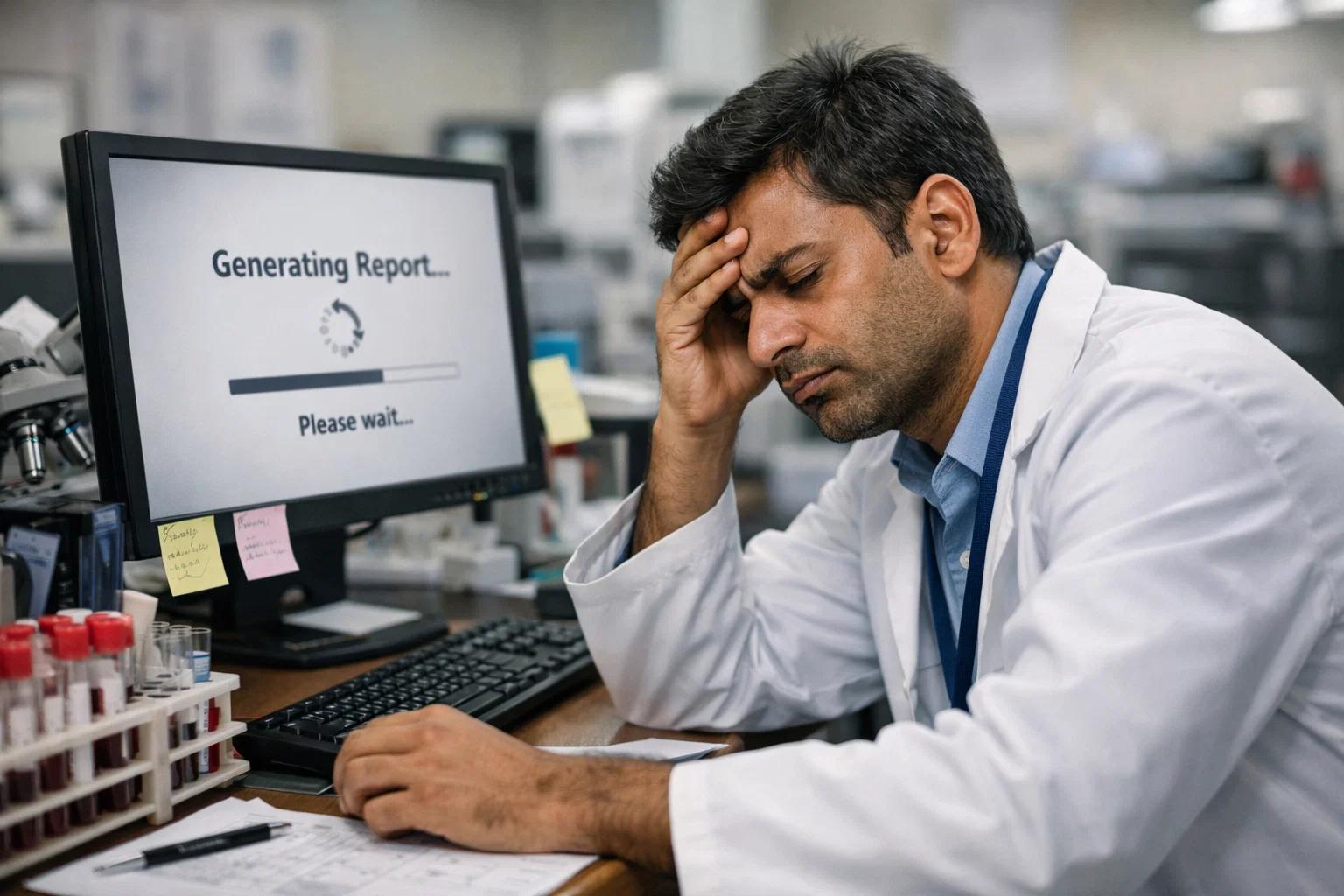
No one likes to wait, especially when it comes to their health. If your results take forever to reach the patient, it’s a major red flag that your current system is outdated. Slow report generation times don’t just annoy people; they actually delay diagnoses and can prolong treatment plans, which puts patients at risk. Research shows that labs with slow turnaround times see a 61% jump in delays that directly impact patient outcomes.
If you find your team constantly playing catch-up, it’s time to look at automating your reporting processes. Modern systems are engineered to solve this. For instance, NirogGyan's AI-powered platform slashes report delivery times from a typical 24-48 hours down to just 8 hours, a 66% jump in speed that lets patients access their insights almost instantly.
Sign 2: Frequent Errors in Reporting
Accuracy is the foundation of any diagnostic lab. If you are seeing frequent errors in reporting, such as mislabeled samples or inaccurate results, you are risking patient safety and your lab's credibility. Studies have found that over half of patient harm incidents in labs are actually caused by preventable errors.
To fix this, you need a system that prioritizes error reduction. NirogGyan’s platform, for example, automates up to 95% of manual data entry. As a result, partner labs using this intelligent software have reported 87% fewer errors, creating a much safer environment for patients and a more trustworthy brand for you.
AI-powered report analysis tools help labs quickly identify important insights while reducing interpretation errors.
Try Lab Report AnalyzerSign 3: Inability to Integrate with Other Lab Systems
If your reporting software feels like it’s on a lonely island, you have an integration problem. When your software doesn’t talk to your other lab systems, it creates "data silos" that slow everything down. This disconnect often forces your staff to manually transfer data between programs, which is a recipe for mistakes.
A modern lab needs seamless integration between its LIMS, Electronic Laboratory Notebooks (ELN), and hospital systems. You should be looking for software that follows global standards like HL7 FHIR R4, which is the gold standard for sharing health data today. When your systems work together as a single unit, you can respond faster to the needs of both doctors and patients. Platforms like NirogGyan are built on these standards, allowing for rapid, 4-day deployment that integrates seamlessly with existing LIS and hospital systems.
Learn how modern LIS integrations connect reporting software with hospital and lab systems to streamline operations.
View LIS IntegrationsSign 4: Lack of User-Friendly Features
If your staff is constantly frustrated because your software is a nightmare to navigate, it’s going to lead to mistakes and delays. A lack of user-friendly features usually means a cluttered, confusing interface where users struggle to find basic functions. This doesn’t just waste time; it kills staff morale.
Upgrading to a system with an intuitive design makes a world of difference. Features like customizable dashboards and easy-to-follow workflows empower your team to work faster and more accurately. Some modern apps even use "body-click navigation," letting technicians and patients click on a digital body part to see the relevant biomarkers instantly. When the software is easy to use, everyone wins. For example, NirogGyan's Viz App features 'body-click navigation,' letting users click on a digital body part to see relevant biomarkers instantly. When the software is that easy to use, everyone wins.
Sign 5: Compliance Issues with Current Software

Staying on the right side of the law is non-negotiable. Compliance issues with outdated software can lead to serious legal trouble and massive financial penalties. Regulations like HIPAA and FDA guidelines require very strict standards for how you handle and report data.
Outdated systems often can't keep up with the latest security protocols, which leaves you vulnerable to data breaches. A modern LIMS or reporting tool is built with regulatory adherence in mind, automating things like Certificates of Analysis (CoAs) and ensuring that sensitive patient data is always encrypted and secure. Investing in robust compliance software is the best way to protect your lab’s reputation.
Benefits of Upgrading Your Reporting Software
Making the switch to better software does more than just fix bugs; it transforms your business. Modern systems streamline workflows, reduce errors, and improve diagnostic accuracy, which allows you to process more samples with less stress. Automation takes the "boring" manual work off your team’s plate, leading to higher job satisfaction and much shorter training times for new hires.
The business impact is equally impressive. Max Lab, a premier diagnostic chain in North India, partnered with NirogGyan and doubled its revenue in just 12 months after implementing their Smart Reports. Because the reports were easy to understand and featured visual health trends, patients kept coming back specifically for the clear insights they couldn't get anywhere else.
Conclusion
Upgrading your lab's reporting software isn't just a "nice-to-have" anymore, it’s a necessity if you want to stay competitive and provide the best care possible. The signs we’ve talked about, slow delivery, frequent errors, and clunky interfaces, are clear warnings that your current system is holding you back.
Now is the perfect time to take a hard look at your lab’s specific needs. Whether you start with a "gap analysis" to see where you're falling short or consult with a vendor for a demo, taking action today is the only way to ensure your lab's long-term success and growth. Don't let outdated tech stand in the way of your lab's future!
FAQ’s
- What are the signs that a diagnostic lab needs to upgrade its reporting software?
Common signs include slow report generation, frequent reporting errors, poor system integration, user-unfriendly interfaces, and compliance issues. - Why is fast report generation important for diagnostic labs?
Faster report delivery improves diagnosis speed, supports timely treatment, and enhances patient satisfaction. - How does outdated lab reporting software affect patient safety?
Outdated systems increase the risk of reporting errors, which can lead to incorrect diagnoses and compromised patient care. - Can upgrading reporting software reduce lab errors?
Yes, modern lab software with automation and integrated workflows can significantly reduce manual data entry errors. - Why is system integration important in diagnostic lab software?
Integration with LIMS, EHR, and hospital systems eliminates data silos and improves workflow efficiency. - How does user-friendly reporting software improve lab productivity?
Intuitive interfaces and automated workflows help staff complete tasks faster and reduce operational inefficiencies. - What compliance standards should diagnostic lab software support?
Diagnostic lab software should support standards like HIPAA, HL7, and FHIR to ensure data security and regulatory compliance. - How can modern reporting software improve patient experience?
Clear, visual, and easy-to-understand reports help patients better understand their health results. - What are the business benefits of upgrading lab reporting systems?
Upgraded systems improve efficiency, reduce operational costs, increase patient retention, and boost laboratory revenue. - How do smart lab reports help diagnostic labs grow?
Smart reports simplify medical data, build patient trust, and encourage repeat testing, helping labs scale sustainably.
"Upgrade your lab reporting with NirogGyan Smart Reports - deliver faster, clearer, and patient-friendly results while reducing errors and improving operational efficiency."