The world of diagnostics is changing fast, moving away from just spitting out raw data toward what we now call "health intelligence". For far too long, lab reports were treated as static, boring files meant only for doctors, which often left the most important person, the patient, feeling confused and left out. Automated patient communication systems are finally fixing this by turning complex numbers into clear, visual stories that anyone can actually understand.
Key Highlights
- Clear communication in diagnostic labs is essential for enhancing patient care and fostering trust between patients and healthcare providers.
- Effective patient communication improves diagnostic accuracy and satisfaction, promoting patient engagement and shared decision-making.
- Challenges such as emotional barriers, language differences, and poor health literacy can hinder effective communication in diagnostic settings.
- Simplifying medical information and utilizing technology can help overcome communication hurdles, empowering patients and enhancing their trust in the diagnostic process.
- Integrating technology, such as secure messaging platforms and telehealth options, keeps patients informed and engaged throughout their diagnostic journey.
- Automated communication systems streamline processes and improve clarity, ultimately building stronger relationships between patients and healthcare providers while addressing privacy and compliance concerns.
Importance of Clear Communication in Diagnostic Labs
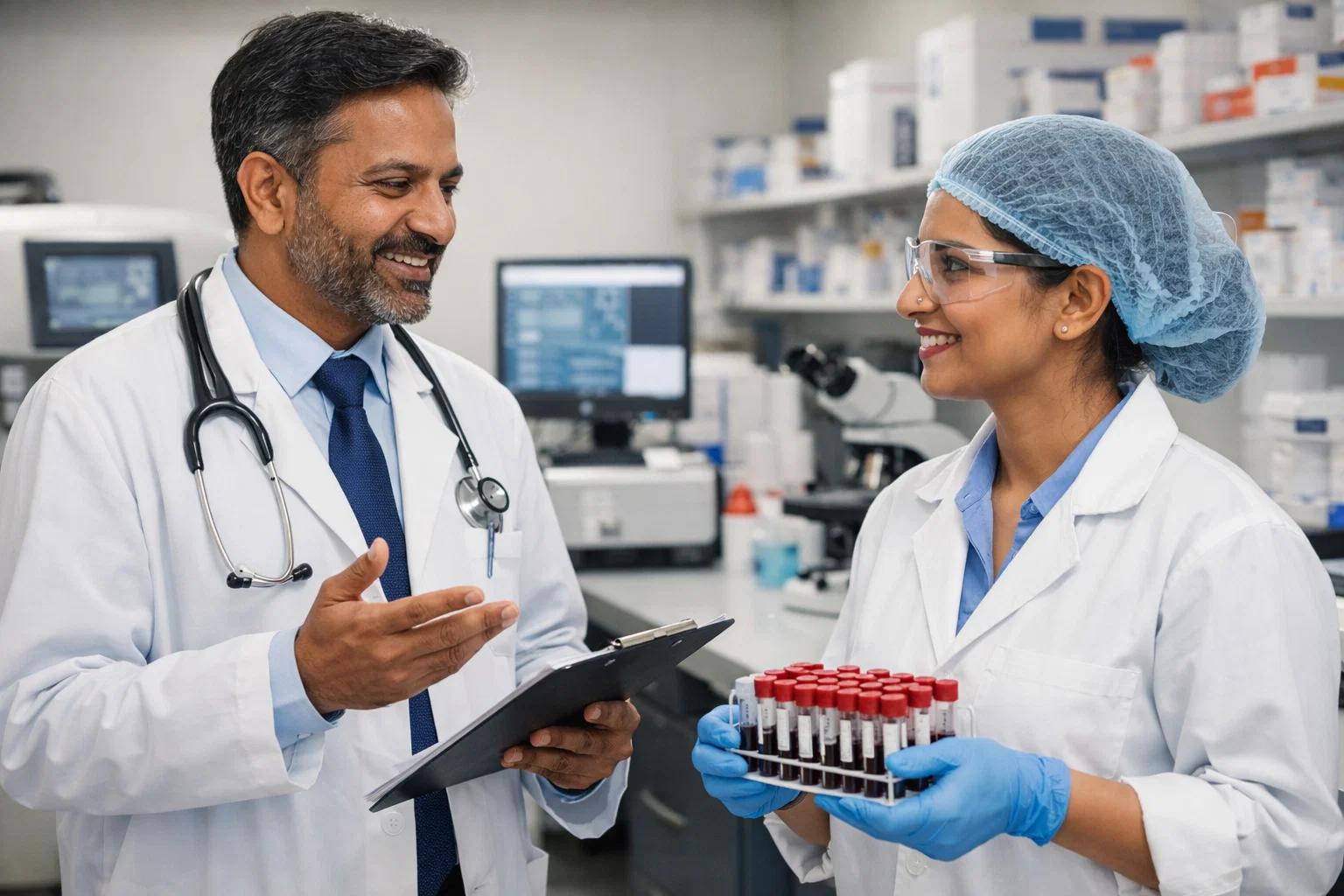
Clear communication is really the heartbeat of good patient care. It is not just about handing over a result; it’s about building a trusting relationship between you and your healthcare provider. Using simple, everyday language helps manage what a patient expects and cuts down on those stressful misunderstandings caused by medical jargon. By using automated systems to keep everything transparent, labs can make sure patients feel valued and informed throughout their entire diagnostic journey.
Make every lab result easy to understand with clear, visual, patient-friendly communication.
Explore Smart Patient ReportsThe Importance of Effective Patient Communication in Diagnostic Labs
Talking effectively with patients does more than just keep them happy, it actually makes the diagnostics more accurate. When a patient truly understands their procedures and what the results mean, they are much more likely to stay engaged and work closely with their doctors. This creates a collaborative vibe where everyone makes health decisions as a team. Using visual aids and simple language helps take the mystery out of scary medical info, while automation ensures that reminders and follow-ups never fall through the cracks.
Current Challenges in Patient Communication within Diagnostic Labs
Let's be real, talking about health can be pretty tough, and several hurdles often get in the way. Emotional barriers like fear and stress often stop patients from having an open conversation with their lab or doctor. Then you have language barriers and cultural gaps that make things even more complicated. One of the biggest problems is poor health literacy, where technical terms and numerical ranges mean almost nothing to a regular person. To fix this, labs need to prioritize making medical info simpler and use technology to bridge the gap. To solve low health literacy, platforms like NirogGyan use 'data atomization' to break complex tests into discrete, easy-to-understand cards.
Leveraging Technology to Enhance Patient Communication
Bringing the right tech into the mix is the secret to better communication. Automated patient communication systems, like secure messaging and appointment reminders, keep patients in the loop from start to finish. We are also seeing digital devices like wearables giving people real-time data, which encourages them to talk more openly with their providers. Telehealth is another great tool that makes it easier for patients to get the support they need without the stress of a long commute.
Automated Communication Systems in Diagnostic Labs
Automated systems are basically changing the game for how labs interact with the world. They take over the boring, repetitive work like delivering test results or sending out follow-up notifications, making sure nothing gets lost in the shuffle. By using secure phone calls or messaging, labs can stay clear while also sticking to strict HIPAA, ISO 27001, and SOC 2 Type II standards to ensure enterprise-grade data security. These systems have even been shown to help patients stick to their testing protocols, which leads to better health results for everyone. Plus, automation can cut manual data entry by 95% and speed up the delivery time from 24 hours down to just 8.
The Role of AI and Machine Learning in Patient Communication
AI is the real "brain" behind modern healthcare communication. Machine learning handles the heavy lifting, like sending out personalized results or flagging urgent findings, like abnormal results, so a doctor can see them right away. Chatbots and virtual assistants are also available to give patients instant support whenever they need it. One of the coolest parts is Natural Language Processing (NLP), which takes complex jargon like "lipid profile" and explains it simply as "heart health".
Best Practices for Enhancing Patient Communication
If you want to really connect with patients and boost their satisfaction, there are a few simple strategies that work every time.
Active Listening
It sounds simple, but truly listening to a patient's concerns makes a world of difference. Maintaining eye contact and encouraging them to share their story shows that you actually care.
Use Clear Language
Ditch the medical jargon entirely. Instead of using dense terminology, explain things in a way that your neighbor or a friend would understand.
Leverage Multiple Channels
Meet people where they are. Some prefer a quick text (SMS), while others want an email or a phone call, so using multiple channels ensures the message actually gets through.
Encourage Questions
Make it safe for patients to ask "Why?". Creating an open environment where they feel comfortable asking for clarification is key to building lasting trust.
Follow Up: Training Staff for Effective Communication

Automation is a great tool, but your team still needs those human skills. Investing in staff training for "soft skills" like empathy and active listening is a must for any modern lab. Workshops can help them practice explaining results without using confusing jargon. It is also important to focus on cultural competence so that every patient feels respected and understood, which boosts overall trust.
Implementing Feedback Mechanisms
You can’t improve what you don’t measure, so setting up ways for patients to share their experiences is vital. Using tools like electronic surveys or follow-up calls lets labs find exactly where they can do better. Labs can then use this data to plan improvements and make sure they are actually meeting patient needs. Just remember to always prioritize patient privacy and consent so they feel safe sharing their honest thoughts.
Case Studies: Successful Communication Strategies in Diagnostic Labs
We have seen these strategies work wonders in the real world. For example, the University of Chicago used clear language and a "teach-back" method to make sure patients really understood their care. In the private sector, Max Lab doubled its revenue in a year by switching to patient-friendly "Smart Reports" that tracked health trends over time. They even saw the time it took to deliver reports drop from 24 hours to just 8 hours, a 66% jump in speed.
Future Trends in Patient Communication for Diagnostic Labs
The future looks bright and fast. We are moving toward 5G-powered real-time alerts and multilingual tools that make healthcare accessible to everyone, no matter what language they speak. Mobile apps like the Viz App will let people click on a body part to see their health metrics instantly through "body-click navigation". We are also heading toward predictive analytics, where AI-powered tools like the NirogGyan Heart Risk Calculator can assess cardiovascular risks with 76% accuracy. NirogGyan is already leading this trend by offering Smart Reports in Hindi, Arabic, and other regional languages to ensure no patient is left behind.
Future-ready your lab with AI-powered, multilingual, and mobile-first patient communication tools.
Get Started with NirogGyanConclusion: Moving Towards Better Patient Communication
Better communication isn’t just a "nice-to-have" feature, it’s essential for good care and building trust. By using automated systems and AI, labs can protect patient privacy through HIPAA and ISO 27001 standards while making life easier for everyone. When we combine smart technology with a human touch, we create a supportive environment where patients aren’t just numbers. Instead, they become informed partners in their own health journey.
FAQ’s
- What are automated patient communication systems in diagnostic labs?
Automated patient communication systems use AI-powered messaging, alerts, and digital reports to deliver test results, reminders, and updates efficiently and securely.
2. How do diagnostic labs improve patient communication?
Diagnostic labs enhance communication by simplifying medical language, using visual reports, and leveraging automated systems for timely updates and follow-ups.
3. Why is clear communication important in diagnostic labs?
Clear communication builds patient trust, improves understanding of test results, and increases engagement in treatment decisions.
4. Can automation reduce errors in diagnostic lab communication?
Yes, automated systems minimize manual data entry, reduce delays, and ensure accurate, consistent delivery of patient information.
5. How does AI enhance patient communication in labs?
AI uses machine learning and natural language processing to personalize results, flag critical findings, and explain complex medical terms in simple language.
6. Are automated lab communication systems HIPAA-compliant?
Most modern diagnostic communication platforms follow HIPAA and data security standards to protect patient privacy and confidentiality.
7. What challenges do labs face in patient communication?
Common challenges include low health literacy, language barriers, emotional stress, and complex medical terminology.
8. How do automated systems improve patient engagement in diagnostics?
They provide real-time updates, easy-to-understand digital reports, and multi-channel communication, encouraging patients to stay informed and involved in their care.
“Strengthen patient trust and streamline communication with NirogGyan’s automated lab communication solutions. Deliver clear, secure, and AI-powered diagnostic reports that patients truly understand. Upgrade your lab’s patient experience today.”