Author: Joyneel Acharya
Last Updated On: 6th December 2025
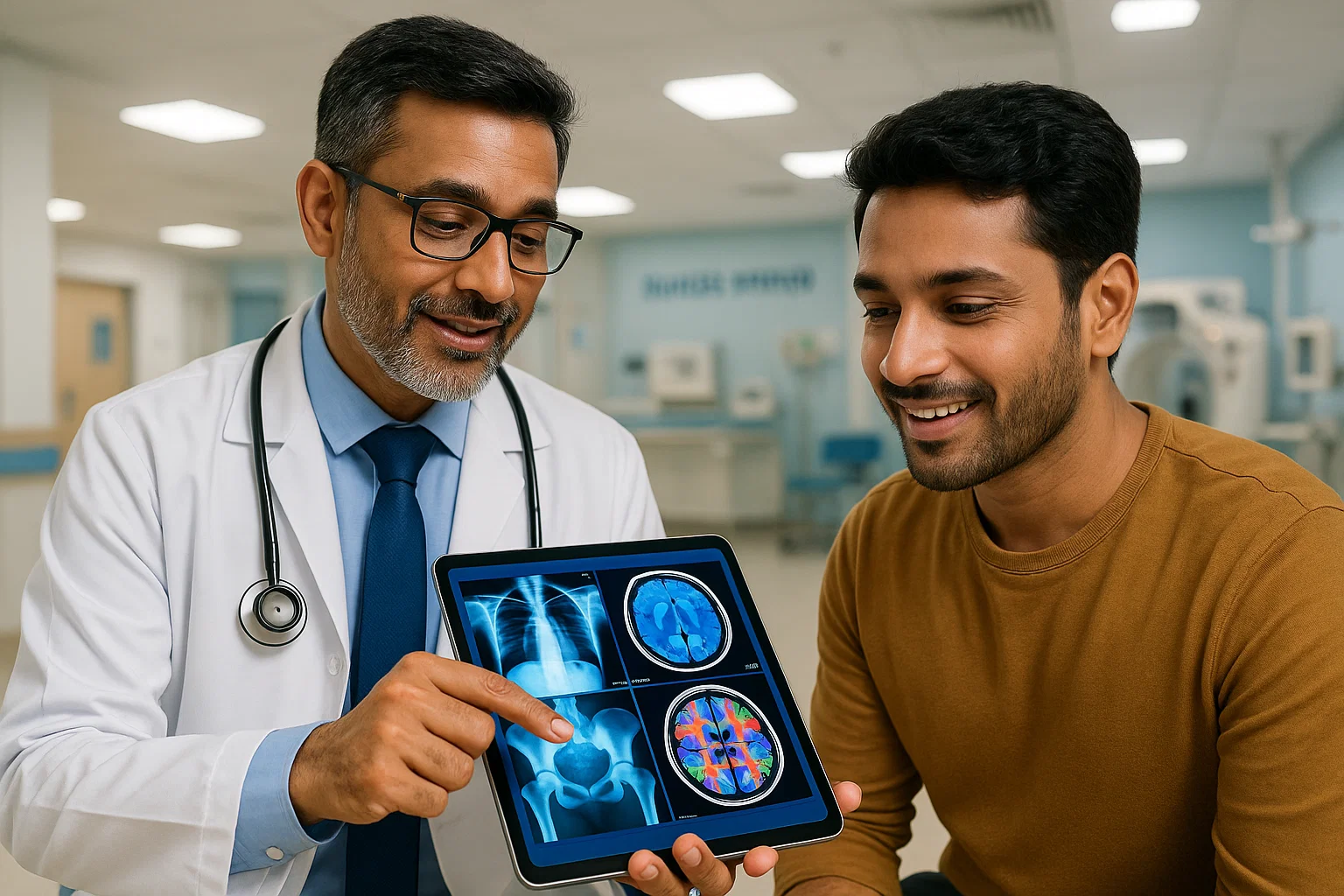
Let's be honest: receiving a medical imaging report can often feel like being handed a secret code. It’s typically dense, full of indecipherable medical jargon, and leaves us scratching our heads, confused about what that critical data actually means for our health. But what if that crucial information was actually clear, visual, and genuinely easy-to-read? That’s the transformative power of modern PACS systems. They're designed to transform that complex imaging data whether it's 2D, 3D, or 4D images into reports with concise annotations, finally reducing the confusion caused by technical language. Modern PACS systems don't just store pictures; they enhance patient understanding by transforming complex data into clear, easy-to-read reports. This process digitizes, stores, and securely shares medical images, enabling rapid retrieval and seamless integration with EMRs for streamlined patient care. Advanced visualization tools, like interactive 3D/4D models, improve diagnostic clarity and overall communication. By providing visual aids and jargon-free language, these systems encourage informed patient participation in their care and bridge communication gaps.
Key Takeaways
- Modern PACS systems enhance patient understanding by transforming complex imaging data into clear, visual, and easy-to-read reports, using 2D, 3D, and 4D images with concise annotations to reduce confusion from medical jargon.
- PACS digitizes, stores, and securely shares medical images, replacing traditional film and enabling rapid retrieval, improved collaboration among healthcare providers, and seamless integration with EMRs and RIS for streamlined patient care.
- AI-driven automation in PACS accelerates report generation by automating measurements and preliminary findings, while advanced visualization tools like interactive 3D/4D models improve diagnostic clarity and communication.
- Visual enhancements such as color-coded highlights, annotated images, and interactive 3D reconstructions help patients connect imaging findings with their health conditions, fostering better engagement and trust.
- Simplifying complex medical data with jargon-free language, concise summaries, and visual aids makes reports more accessible, encouraging informed patient participation and bridging communication gaps inherent in traditional reports.
Understanding PACS: The Backbone of Modern Medical Imaging
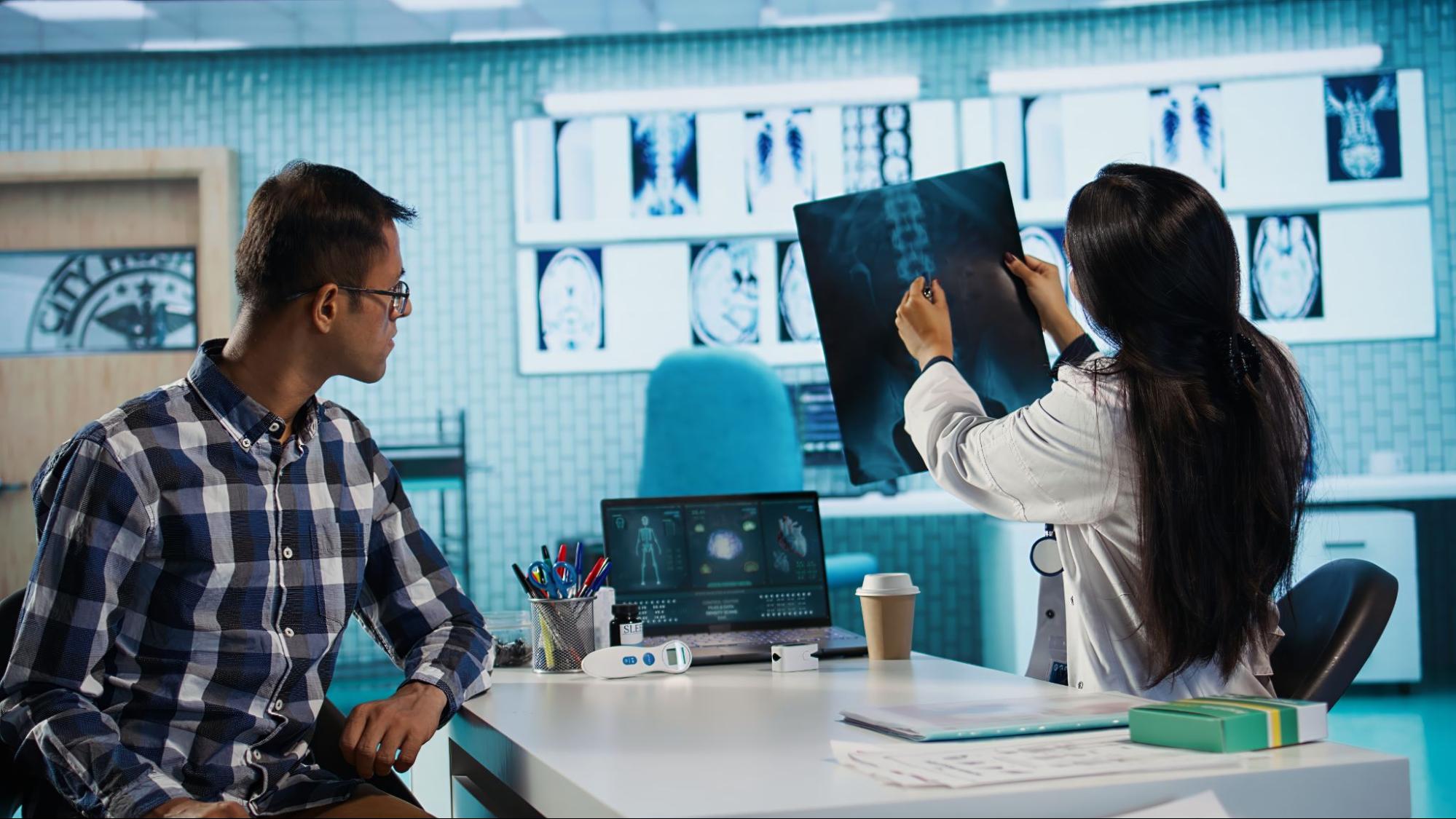
Think of a PACS system as the central nervous system for diagnostic imaging; it's the true backbone of modern healthcare. What does a PACS system actually do? Simply put, it revolutionizes radiology and medical imaging by getting rid of old, cumbersome film. It digitizes, securely stores, and shares all your medical images (X-rays, CTs, and MRIs) instantly from any authorized workstation.
This system integrates imaging modalities, secure networks, viewing stations, and archives into one seamless workflow. I’ve seen firsthand how this speed enhances collaboration among the entire care team radiologists, technologists, and clinicians. Imagine if your doctor could instantly compare your current scan with one from three years ago, even while miles away? That ability to retrieve and share images rapidly improves diagnostic accuracy and really speeds up those critical treatment decisions.
Advancements in PACS Technology That Improve Imaging Reports
The rapid evolution of healthcare technology is astounding, and the modern PACS system is proof of that. These aren't just intelligent filing cabinets anymore; they are truly intelligent platforms! What’s the biggest game-changer for imaging reports? Artificial Intelligence (AI). AI integration streamlines report generation by automating measurements and preliminary findings, which reduces the radiologist’s workload and minimizes the potential for errors.
Plus, we now have incredible visual diagnostics tools: enhanced 3D and 4D imaging allows for detailed visualization, which aids clearer interpretation and better patient communication for everyone. Web-based PACS platforms also improve accessibility, enabling real-time collaboration among clinicians. These innovations lead to faster, more accurate, and genuinely patient-friendly imaging reports, improving diagnostic confidence and care decisions.
Visual Enhancements in Imaging Reports for Better Patient Communication
This is where things get personal. When we talk about effective patient communication, visuals are everything. How can a patient possibly understand their results based on complicated acronyms alone? Modern imaging reports use fantastic visual diagnostics to transform complex data into insights we can actually digest.
These enhancements incorporate annotated images, color-coded highlights, and even interactive 3D models to help patients visually connect findings with their specific health conditions. Key visual tools we use include color overlays to emphasize abnormalities or interactive 3D reconstructions for better spatial understanding. Think of the difference between reading the words "cardiovascular blockage" and actually seeing a 3D heart model with highlighted blockages. That visual link helps us grasp the risks clearly, fosters trust, improves recall, and encourages active patient participation in care decisions, bridging communication gaps inherent in traditional reports.
Interactive health visualization platforms
Explore Health Data VisualizationCreating Easy-to-Read Reports: Simplifying Complex Medical Data
Let's face it, medical terminology can be intentionally confusing. The goal here is simple: effective patient communication requires simplifying complex medical data. We need to generate imaging reports that use clear, jargon-free language, translating those technical terms into everyday words.
Providers should replace abbreviations with plain language and use helpful bullet points for key findings. Most importantly, the report should include concise, patient-friendly summaries at the end to reinforce understanding. In my experience, summarizing a CT scan report with simple explanations and annotated visuals helps patients grasp their condition incredibly quickly. Doesn't that sound like a better path toward meaningful patient engagement? This approach reduces confusion, fosters trust, and encourages informed participation.
The Role of Modern PACS in Enhancing Patient Engagement
This isn't just about clearer reports; it's about empowerment. Modern PACS systems play a crucial role in boosting patient engagement because they foster transparency and trust. When patients get timely, easy-to-read medical imaging and reports through secure patient portals, they feel ownership over their health data.
Enhanced visualization tools and AI-generated summaries simplify complex findings, enabling patients to actively participate in shared care decisions. Furthermore, seamless integration with telemedicine platforms supports remote consultations, bridging those old patient communication gaps. Key benefits include faster image access for patients, clear explanations, and support for remote care, features that collectively enhance patient satisfaction and encourage proactive health management.
Integrating PACS with Healthcare Technology Ecosystems
We can't talk about modern healthcare technology without discussing seamless integration. A standalone PACS system is useful, but a connected one is revolutionary. Using standards like DICOM for imaging and HL7 or FHIR for clinical data, the PACS system seamlessly connects imaging departments with the wider health information and technology ecosystem.
This integration allows providers to access comprehensive patient information including medical history, lab results, and imaging all within a single interface. This means less system switching for clinicians, real-time data sharing across departments, and enhanced collaboration among specialists, streamlining interpretation and accelerating care decisions.
Advanced diagnostic reporting systems.
Discover Lab Reporting SolutionsBenefits of PACS and EMR Integration for Patients and Providers
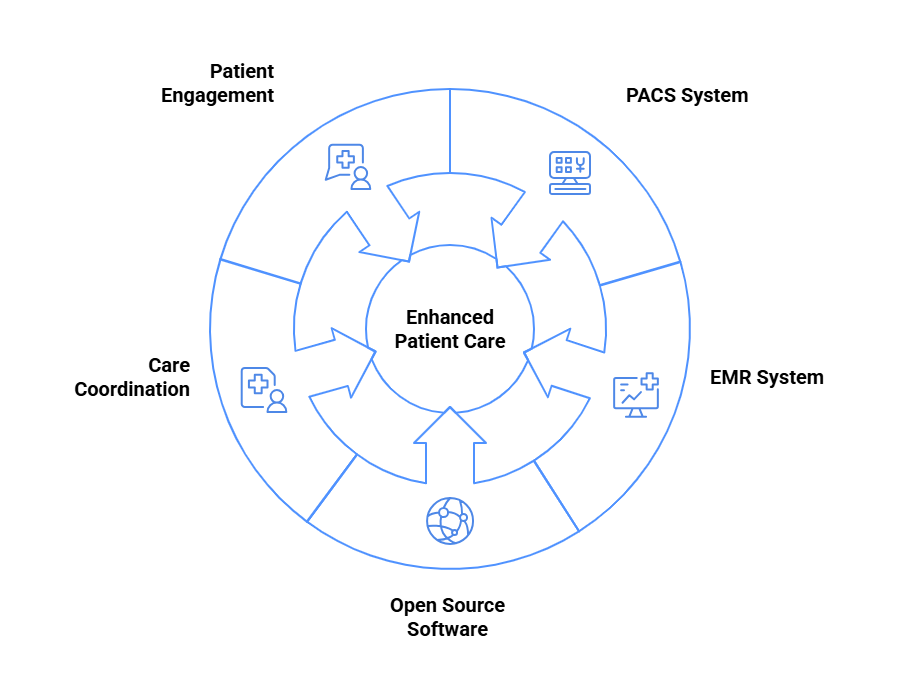
Why do we care if the PACS system talks to the EMR? Because it means faster, better coordinated care for us! This integration unifies imaging and clinical data, which is essential. Providers gain immediate access to the complete patient record, enabling faster, more accurate diagnoses without having to toggle between different systems.
For patients, this translates directly to reduced appointment wait times and quicker specialist consultations. When systems, including open source electronic medical records software, work together seamlessly, it enhances care coordination, which is a huge driver of patient engagement. This integration ultimately drives efficiency and elevates patient outcomes.
Overcoming Challenges in PACS Implementation and Adoption
No major upgrade in healthcare technology is easy, right? Implementing a sophisticated PACS system certainly presents hurdles. We must acknowledge that challenges exist: initial expenses can be high, and ensuring interoperability with existing EMRs and RIS is complex. That's why smart adoption requires careful planning. We need phased rollouts and strong adherence to standards like DICOM and HL7.
Legacy data migration is another headache, but employing robust archiving strategies and specialized migration tools helps preserve data integrity. Most critically, comprehensive user training is vital to overcome resistance, maximize system benefits, and ensure smoother transitions for streamlined patient communication.
Future Outlook: The Evolving Landscape of Medical Imaging and Patient Communication
What's next for medical imaging? It's exciting! The future of healthcare technology is heavily focused on AI-driven PACS and cloud integration. I've seen how AI will automate even more routine tasks, which will free up radiologists to do what they do best: engage more directly with patients. That direct interaction builds immense trust and enhances patient engagement.
Cloud-enabled PACS will allow remote consultations and real-time image sharing, meaning expert opinions are available regardless of location. Furthermore, AI will continue to assist with report simplification for patient clarity. Of course, cyber resiliency measures will always be our priority to safeguard sensitive data while ensuring uninterrupted availability. These advancements promise more personalized, transparent, and efficient imaging services for all of us.
Conclusion: Empowering Patients Through Modern PACS and Visual Imaging Reports
Ultimately, modern PACS systems are doing something truly profound: they're transforming medical imaging from a technical barrier into a powerful tool for patient-centered care. By delivering clear, visual imaging reports seamlessly integrated with clinical data, PACS effectively bridges the communication gap between healthcare providers and patients.
This transparency fosters deep trust, encourages active patient engagement, and supports shared decision-making. Imagine if every patient reviewing their annotated 3D scans left the doctor's office feeling fully confident and informed about their condition? That's the goal: improved comprehension, enhanced engagement through visual aids, and faster access to personalized health information, leading to better health outcomes for all of us.
FAQs:
1. What is PACS and how does it help patients understand imaging reports better?
PACS is a digital system that stores and shares medical images instantly. Modern PACS adds visuals, annotations, and simplified summaries that help patients clearly understand what their scan shows.
2. How do modern PACS reports make medical images easier to read?
They use color-coded highlights, labels, arrows, and patient-friendly diagrams. These visual aids turn complex scans into easy-to-follow explanations without heavy medical jargon.
3. Can PACS improve communication between patients and doctors?
Yes. PACS allows doctors to show images in real time, zoom in on problem areas, and explain findings visually. This makes conversations clearer, faster, and easier for patients to grasp.
4. What role does AI play in modern PACS systems?
AI automates measurements, flags abnormalities, and helps generate preliminary reports. This speeds up diagnosis and provides clearer, more accurate visuals for patients and clinicians.
5. Why is integrating PACS with EMRs important for patients?
Integration gives doctors a complete view of patient history alongside imaging. This results in quicker decisions, fewer repeated scans, and more coordinated, patient-centered care.
"Get personalized health insights and AI-driven diagnostics with NirogGyan. Take control of your health today and visit NirogGyan for accurate results!"