Author: Joyneel Acharya
Last Updated On: 24th September 2025
For generations, medicine has largely followed a one-size-fits-all model. A diagnosis led to a standard treatment, and we hoped for the best. But what if your healthcare could be as unique as your fingerprint? That’s not science fiction; it’s the reality of personalized medicine, a revolution powered by digital health that is fundamentally reshaping how we prevent, manage, and treat illness.
By harnessing everything from our genetic code to the real-time data from our smartwatches, we're moving away from generic protocols and towards truly individualised care. This is more than just a trend; it's a paradigm shift towards a smarter, more proactive, and deeply patient-centred future.
Key Takeaways
- Personalized medicine customizes treatments based on individual genetic profiles, lifestyle, and environment, improving diagnosis accuracy and treatment effectiveness.
- Genomic testing and multiomics data help identify targeted therapies with fewer side effects, especially in complex diseases like cancer.
- Wearable devices and fitness apps provide continuous, real-time health monitoring, enabling proactive and personalized care.
- Advanced health data analytics and AI integrate diverse patient data to predict disease risks and optimize therapies dynamically.
- Remote patient monitoring and telemedicine expand access to care and allow timely interventions for chronic condition management.
- Digital health innovations, including digital twins and digital therapeutics, enhance patient engagement and enable adaptive, patient-centered healthcare.
Understanding Personalized Medicine: Definition and Importance
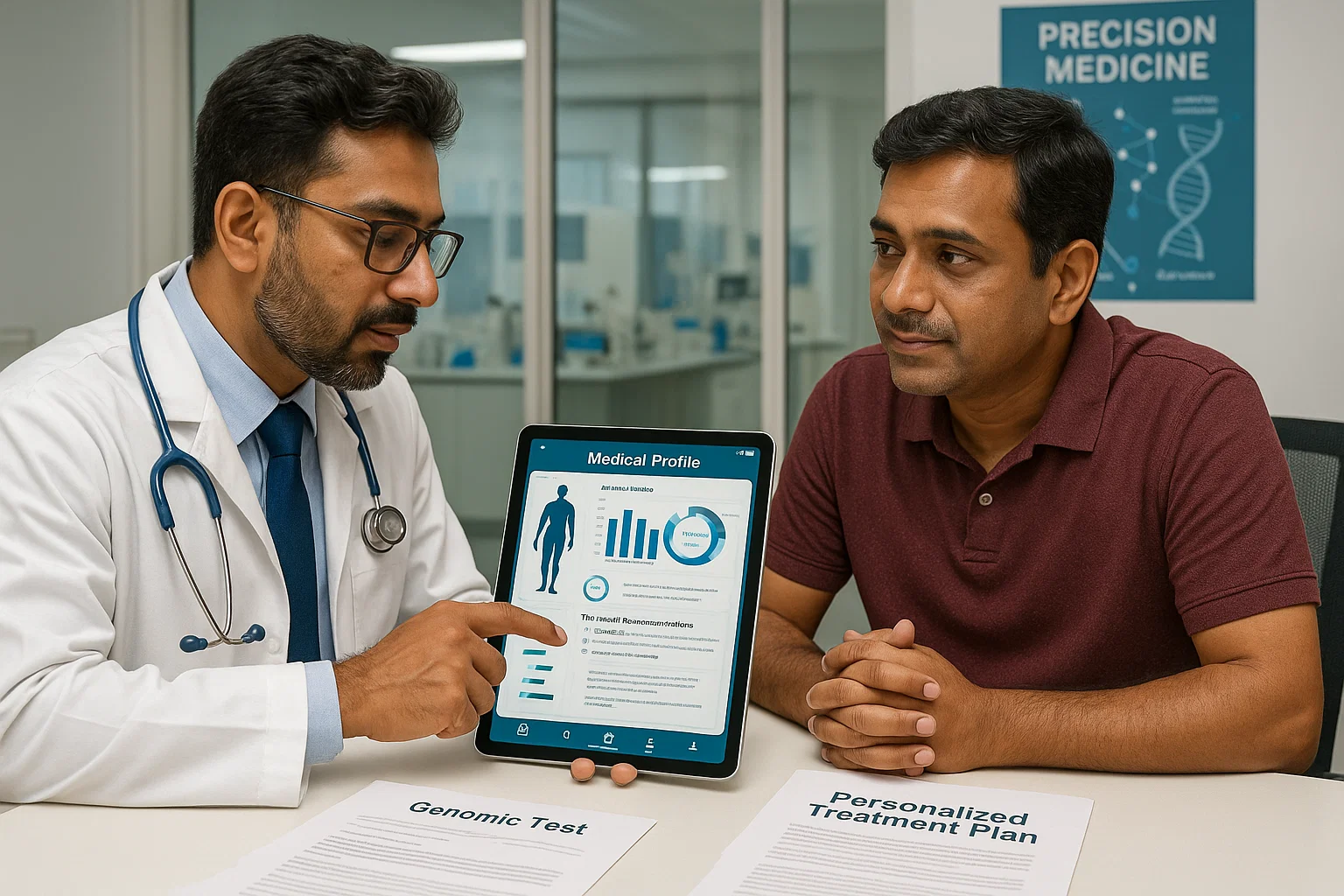
So, what exactly is personalized medicine? Think of it as healthcare tailored specifically to you. Instead of prescribing a treatment that works for the "average" person, this approach considers your unique genetic makeup, your lifestyle choices, and the environment you live in to create a targeted care plan.
The difference is night and day. Traditional medicine often works on a trial-and-error basis, whereas personalized medicine aims for precision from the start. This is particularly transformative in complex fields like oncology, where treatments can be designed to attack the specific genetic mutations driving a tumour, leading to better outcomes with fewer side effects.
This shift towards healthcare personalization also fundamentally changes the patient's role. You are no longer a passive recipient of care but an active participant, making informed decisions based on your own data and preferences.
The core benefits are clear:
- More precise diagnoses that catch issues earlier and more accurately.
- Targeted treatment plans designed for maximum effectiveness.
- Improved patient safety by avoiding therapies likely to cause adverse reactions.
Ultimately, by weaving together genetic insights and personal health data, personalized medicine delivers care that is more effective because it's built around the one person who matters most: you.
The Role of Digital Health in Advancing Personalized Medicine
If personalized medicine is the destination, then digital health is the engine getting us there. These technologies are the essential infrastructure that makes truly individualised care possible on a large scale.
Imagine a constant stream of information about your health not just from an annual check-up, but from every moment of your day. That’s what digital tools provide. Wearable sensors, telehealth platforms, and AI-powered analytics work together to create a dynamic, living picture of your well-being. This data is the fuel for creating adaptive treatment plans that can be adjusted in real-time as your health changes.
Key contributions from the world of digital health include:
- Continuous data collection via wearables, which allows for the earliest possible detection of subtle health changes.
- Powerful AI algorithms that can analyse vast, complex datasets to predict disease risk and fine-tune therapies.
- Telemedicine platforms that break down geographical barriers, connecting patients to specialists anywhere in the world. As some platforms have shown, this is critical for reaching remote areas.
- Digital therapeutics, which are now delivering evidence-based interventions directly through software, with some even receiving regulatory approval.
For example, cutting-edge digital therapeutics companies are developing "digital twins", virtual models of a patient, to simulate how different treatments might work before they are ever administered. By integrating these innovations, digital health is transforming the promise of healthcare personalization into a practical, everyday reality.
Fitness Apps and Wearable Health Devices: Empowering Patients with Real-Time Data
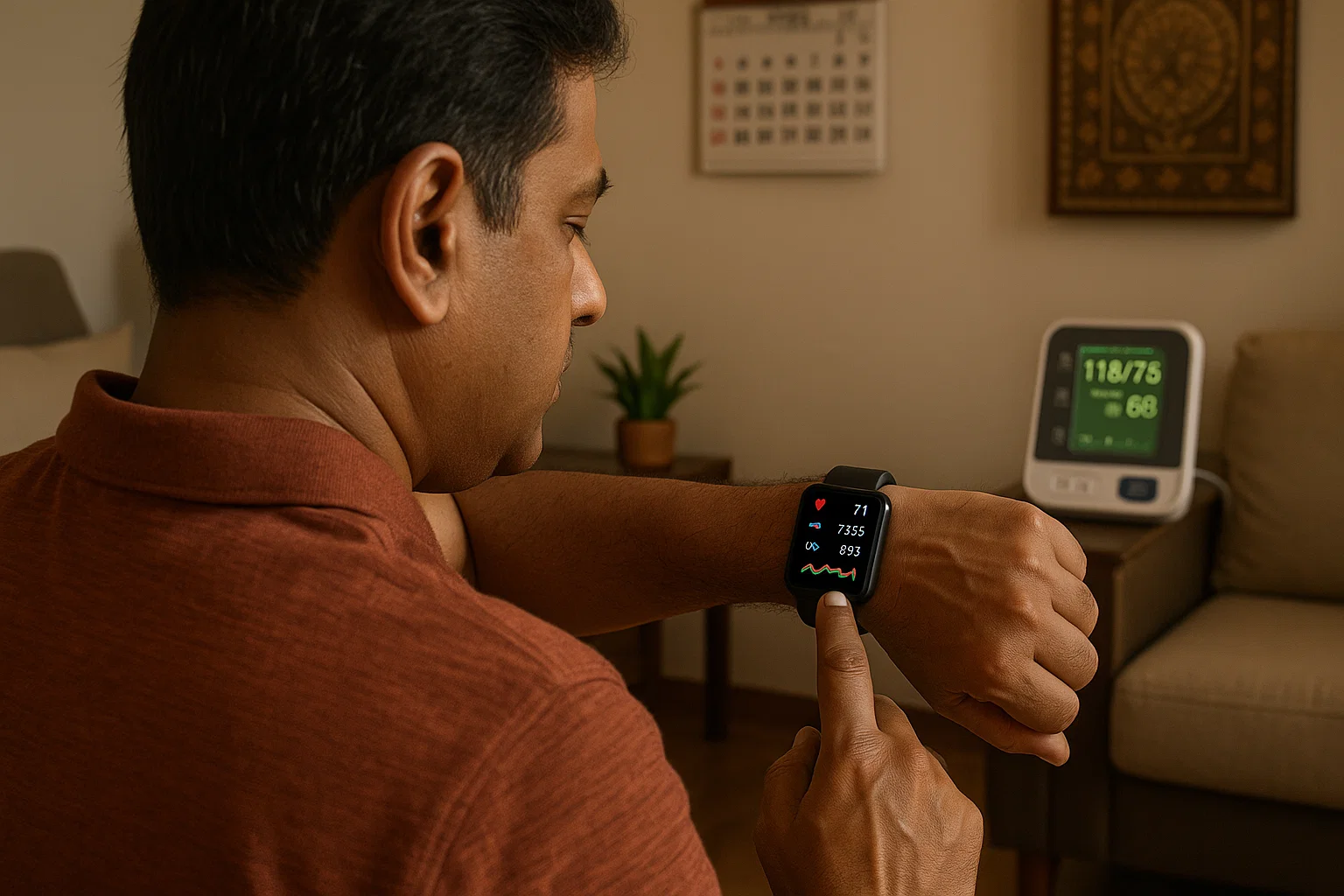
That smartwatch on your wrist is far more than a step counter; it’s a personal health sentinel. Fitness apps and wearable health devices have become powerful tools for patient engagement, putting a wealth of real-time health data directly into our hands.
These devices track everything from heart rate variability and sleep patterns to daily activity levels, offering a continuous feedback loop that was previously unimaginable. This constant stream of information empowers you to see the immediate impact of your lifestyle choices, motivating healthier behaviours. For someone managing a chronic condition, a subtle change in their data could trigger an alert to their doctor, prompting an intervention long before an emergency occurs.
The real power lies in connecting this data to the bigger picture. When information from wearable health devices is integrated with electronic health records, clinicians get a much richer, more contextualised view of a patient’s health, enabling them to create truly personalised and proactive care plans.
Remote Health Monitoring and Services: Extending Care Beyond the Clinic
For decades, healthcare has been confined to the four walls of a clinic or hospital. Remote health monitoring shatters that limitation, extending continuous, personalised care directly into a patient’s home.
Using connected devices like smart blood pressure cuffs, glucometers, and pulse oximeters, care teams can track vital signs and symptoms in real time. This is a game-changer for managing chronic conditions like heart failure or diabetes, where daily monitoring is key to preventing complications. It also vastly improves patient engagement, as individuals become active partners in tracking their own health trends.
These remote health monitoring services are about more than just data; they are about connection. RPM platforms allow patients to report symptoms and receive immediate feedback, fostering a sense of security and control over their health journey. This proactive approach helps reduce costly hospital readmissions and empowers patients to live more independently, all while knowing their care team is keeping a watchful eye.
Health Data Analytics and Lab Test Results: Driving Data-Driven Decisions
Your body generates an immense amount of data, from your genetic code to your latest blood work. On their own, lab test results are just numbers. But when combined with advanced health data analytics, they become a powerful roadmap for your health.
This is where the magic of healthcare personalization truly happens. Sophisticated analytics platforms can integrate genetic information, lifestyle data from wearables, and clinical lab results to build a comprehensive health profile. These systems can identify subtle patterns and hidden risks that might otherwise be missed, allowing clinicians to move from reactive treatment to proactive prevention.
For example, analytics can help a doctor see that a patient's seemingly normal lab results, when combined with their genetic risk factors, point to an elevated risk for a future condition. This insight allows for early, targeted interventions that can change the course of that person's life. It ensures that every decision is backed by a complete, data-driven understanding of the individual patient.
Enhancing Patient Engagement Through Digital Tools
True healthcare transformation isn't just about better technology; it's about shifting the patient-provider relationship from a monologue to a dialogue. Digital health tools are making this possible by revolutionising patient engagement.
Gone are the days of waiting weeks for an appointment to ask a simple question. Patient portals, mobile health apps, and telehealth platforms empower individuals to take a much more active role in their own care. They can manage appointments, view their lab test results, track symptoms, and communicate securely with their providers all on their own schedule.
Effective strategies to deepen engagement include:
- Personalised educational content delivered through an app to help a patient understand their condition.
- Virtual check-ins and remote health monitoring to provide continuous support between office visits.
- Interactive symptom trackers that sync with health records, giving providers real-time updates.
By making healthcare more accessible and collaborative, these tools foster stronger, more trusting relationships between patients and providers, which is a cornerstone of effective personalized medicine.
Innovations from Digital Therapeutics Companies Shaping Personalized Medicine
A new class of medicine is emerging, one that is delivered not in a pill but through software. Digital therapeutics companies are at the forefront of this movement, creating evidence-based, clinically validated treatments delivered via technology.
These innovations are a perfect fit for personalized medicine because they can adapt to a user's behaviour and progress in real time. Rather than a static dose, these therapies offer dynamic, customised support.
Groundbreaking work is happening across the industry:
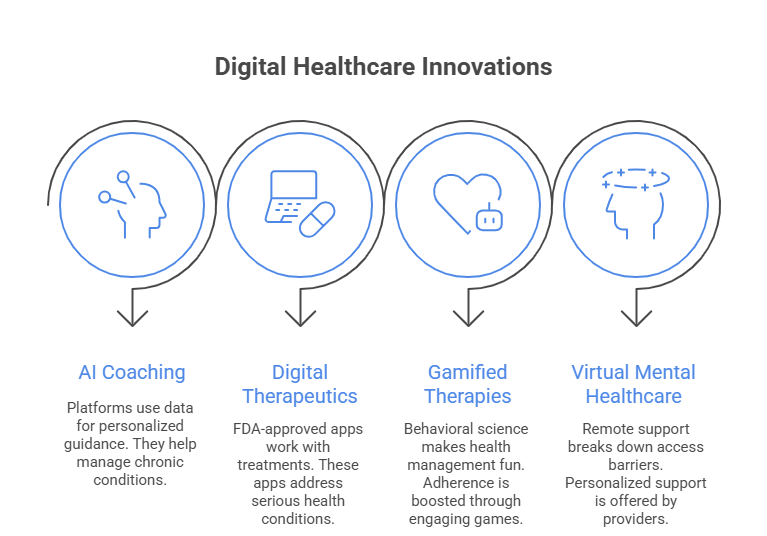
- AI-driven coaching platforms from companies like Lark Health and Omada Health analyse user data to provide personalised guidance for managing chronic conditions like diabetes and hypertension.
- Prescription digital therapeutics are now a reality, with companies like Voluntis developing FDA-approved apps that work alongside traditional treatments for serious conditions.
- Engaging, gamified therapies from Sidekick Health use behavioural science to boost adherence and make managing health feel less like a chore.
- Virtual mental health care models from providers like Teladoc Health offer remote, personalised support, breaking down barriers to access.
These solutions from digital therapeutics companies are making digital health more than just a monitoring tool; they are turning it into a direct vehicle for treatment, empowering patients with interventions tailored precisely to their needs.
Conclusion: Embracing the Digital Health Revolution for Personalized Care
The digital health revolution is paving the way for a future where healthcare is no longer one-size-fits-all, but deeply personal, proactive, and predictive. By weaving together genomics, real-time data from wearable health devices, and powerful AI analytics, we are unlocking a new era of personalized medicine.
This transformation does more than just improve treatment outcomes; it empowers us all to become active custodians of our own health, fostering unprecedented patient engagement.
To fully embrace this future, both healthcare providers and patients must work together. This means championing interoperable digital tools that allow data to flow seamlessly and securely, while staying educated on emerging technologies. While the path forward requires a steadfast commitment to challenges like data privacy and the clinical validation of new tools, the destination is clear: a healthcare system that delivers truly personalised, effective, and accessible care for every individual.
Frequently Asked Questions (FAQs)
1. What is personalized medicine, and why is it important?
Personalized medicine is an approach that tailors medical treatment to the individual characteristics of each patient, including their genetic profile, lifestyle, and environment. It’s important because it leads to more accurate diagnoses, safer and more effective treatments, and better health outcomes compared to the traditional one-size-fits-all model.
2. How does digital health support personalized medicine?
Digital health provides tools like wearables, AI analytics, and telemedicine that collect and interpret the vast amounts of data needed for personalization. These technologies allow doctors to create dynamic care plans that are continuously updated based on a patient's real-time health status, making care truly adaptive.
3. What role do wearable devices play in personalized healthcare?
Wearable devices like smartwatches act as 24/7 health monitors, tracking vital signs, sleep, and activity levels. This continuous stream of data is crucial for proactive care, helping patients and doctors manage chronic conditions, make timely interventions, and personalise lifestyle recommendations for better health.
4. How does AI improve personalized medicine?
Artificial intelligence can analyse massive and complex health datasets, including genetics, lab results, and wearable data, to identify patterns and predict health risks that a human might miss. AI-driven platforms help doctors recommend the most effective treatments and optimise care plans, making personalized medicine more precise and powerful.
5. What are the key trends shaping personalized medicine in digital health?
The biggest trends include advanced genomic testing, the rise of digital therapeutics (software as medicine), the development of "medical digital twins" for simulating treatments, and the use of AI-powered analytics. Together, these innovations are driving a shift towards earlier detection, highly customised therapies, and greater patient engagement in healthcare.
"Unlock the Power of Personalized Medicine for Your Health with NirogGyan! Start Your Customized Healthcare Journey Today!"