Medical results are evolving from simple reports with numbers to “health intelligence” that focuses on patient understanding. There has long been a gap between complex lab data and what patients can actually interpret about their health. Platforms like NirogGyan are addressing this by turning clinical data into clear visual insights and interactive reports. Tools such as the Viz App help patients better understand their results and stay actively involved in their healthcare.
Key Highlights
- Mobile health reports enhance patient engagement through real-time communication with healthcare providers, enabling proactive health management.
- These digital summaries allow patients to conveniently access health data, improving understanding and involvement in their care.
- Patient engagement is vital for better health outcomes, reducing costs, and fostering a collaborative relationship with providers.
- Engaged patients adhere more closely to treatment plans, leading to improved management of chronic conditions and higher satisfaction levels.
- Mobile health reports provide instant access to vital health information, promoting proactive health management and personalized insights.
- Real-time monitoring and feedback empower patients, fostering a sense of control and enhancing the patient-provider relationship for better outcomes.
The Impact of Mobile Health Reports on Patient Engagement
When you can see your own health data on your phone in real-time, it completely changes how you talk to your doctor. These mobile reports give people the freedom to check their medical info whenever they want, which naturally makes them more proactive. Instead of just waiting for a call, patients stay informed and engaged. This isn't just about convenience; when patients are more involved, they are generally happier with their care and see much better health results in the long run. It essentially turns a one-way street into a collaborative conversation between you and your healthcare provider.
Give patients real-time access to clear, mobile-friendly health reports that keep them informed and proactive.
Explore Viz App for LabsUnderstanding Mobile Health Reports
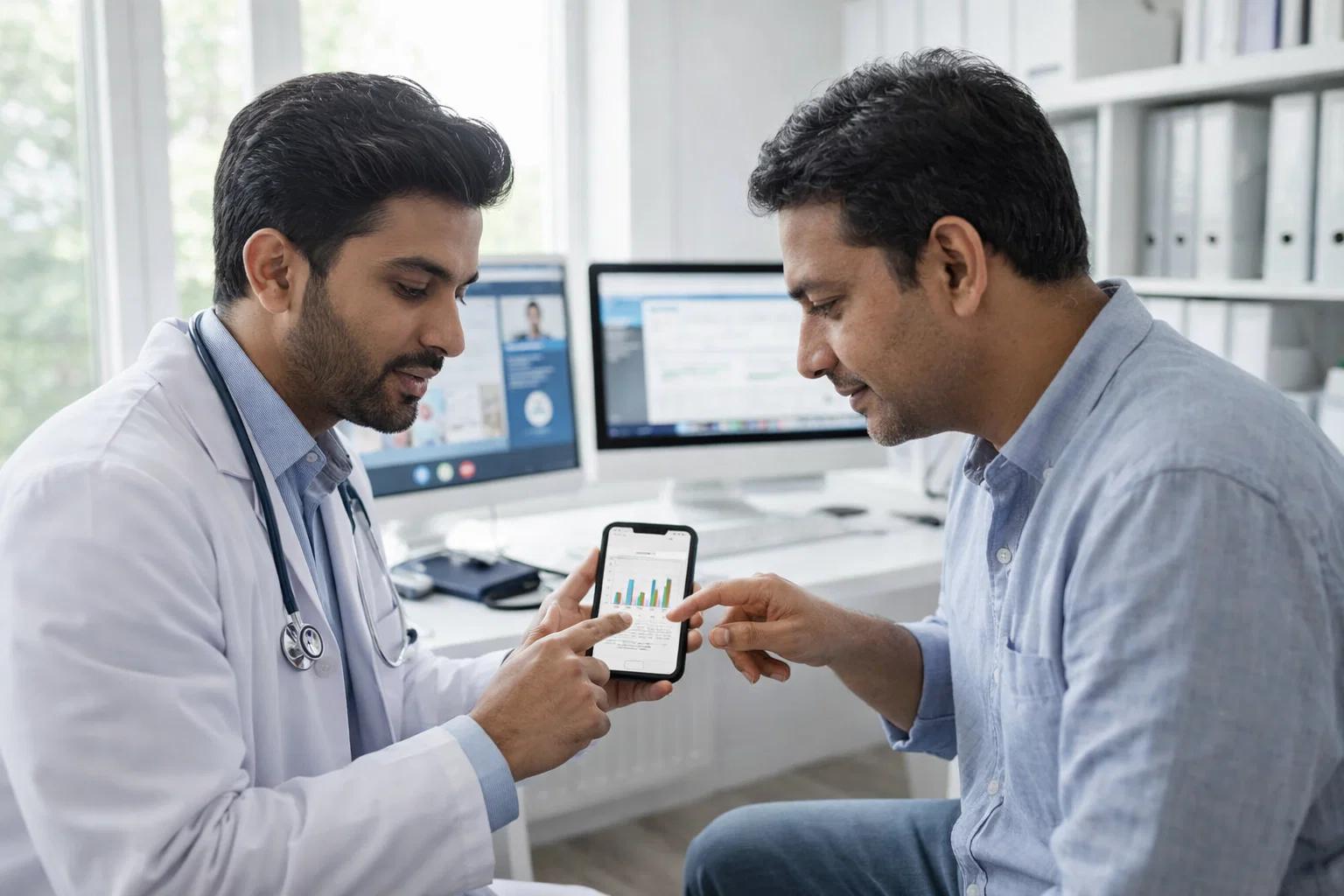
So, what exactly are these reports? At their simplest, they are digital summaries of your health data that you can check on a smartphone or tablet. They let you keep an eye on important things like your vital signs or whether you’re staying on track with your medication. As this technology gets better, these reports are starting to use real-time data to offer a much more personal view of your health journey. The goal is to move away from static documents and toward tools that empower you to take charge of your own wellbeing.
The Importance of Patient Engagement in Healthcare
Getting patients to participate in their own care is a huge deal for modern medicine. When people actually understand what’s going on with their bodies, they can make better decisions. This builds a much stronger bond of trust between the patient and the doctor. Plus, engaged patients are way less likely to end up in the emergency room because they are doing a better job of managing their health day-to-day. It’s a win-win that improves the quality of care while helping to lower costs for the whole system.
Benefits of Patient Engagement

The perks of keeping patients engaged are very real and measurable. People who take an active role are more likely to follow their treatment plans and manage long-term conditions effectively. This leads to fewer hospital visits and a much higher level of satisfaction with their care. Ultimately, when patients and doctors work together as a team, it makes the entire healthcare process more efficient and successful for everyone involved.
How Mobile Health Reports Enhance Patient Engagement
Mobile health reports are a total game-changer because they provide instant access to the information that matters most. They let patients track their own health metrics and provide timely reminders that keep them on top of their health. Because these reports often include personalized insights, people can actually understand what their results mean for their life. This leads to a much more informed patient population that is far more likely to stick to their treatment and see positive changes.
Real-Time Health Monitoring and Feedback
One of the coolest parts of these mobile tools is real-time monitoring. NirogGyan’s platform acts as the visualization layer for data gathered through LIS and remote patient monitoring (RPM) devices, providing the clear feedback loop patients need to stay engaged. Doctors can see data as it happens and make quick adjustments to a treatment plan if they need to. For the patient, this provides a real sense of control and support. Knowing that your health is being watched and that you can get immediate feedback helps build trust and makes managing a chronic issue feel a lot less overwhelming.
Personalized Health Insights and Recommendations
Mobile apps are now smart enough to look at things like how much you move or what you’re eating to give you specific advice. For instance, if an app sees your activity level is low, it might suggest a specific exercise or a small change in your routine. This kind of customization makes the data feel relevant to your actual life, empowering you to make better choices every single day.
Case Studies: Successful Implementations of Mobile Health Reports
We have already seen some great examples of how these tools work in the real world. A study called "Cloudy with a Chance of Pain" showed that mobile apps helped people manage chronic pain much more effectively. Another project, the Quality of LifeBridge, found that automated reports improved communication and led to much higher patient satisfaction. These examples show that mobile technology isn't just a "nice-to-have", it's a powerful way to transform how we experience healthcare. Closer to home, NirogGyan’s partnership with Max Lab demonstrates that smart reporting isn't just a clinical win but a business one - leading to a 2x revenue increase and a 65% reduction in follow-up queries.
Case Study 1: Chronic Disease Management
Managing a long-term illness is much easier with the right technology. In a study on diabetes, patients used mobile health apps to stay on top of their medication and keep their blood sugar levels in check. Because they got real-time feedback from their doctors, they were able to avoid hospital visits and enjoy a better quality of life. It’s a clear example of how a simple mobile solution can empower someone to stay healthy.
Case Study 2: Post-Operative Care
After surgery, staying in close touch with your medical team is vital. Apps like Post Op or ExoDont help patients follow their recovery instructions and stay connected with their surgical teams. These tools often allow patients to go home earlier because doctors can monitor them for complications remotely. It makes the whole recovery process feel more supportive and effective.
Challenges and Limitations of Mobile Health Reports
Even though this technology is exciting, there are still some hurdles to clear. Not everyone has easy access to the latest smartphones or a strong internet connection, which can leave some patients behind. There is also the issue of health literacy, even a digital report is useless if it’s still full of hard-to-read jargon. On top of that, labs have to deal with privacy concerns and the technical challenge of fitting these new apps into their existing way of doing things. Addressing these issues is the next big step in making these reports work for everyone. By using AI to atomize test results into discrete, easy-to-understand data cards, NirogGyan is actively lowering the health literacy barrier for patients in both Tier I and Tier III cities.
Future Trends in Mobile Health Technology
The future of mobile health is looking incredibly bright. We’re starting to see things like AI-powered diagnostics and even augmented reality being used to help patients understand their health. With the rollout of 5G, data will move faster than ever, making telehealth services even better. The ultimate goal is a healthcare model that focuses more on prevention and gives patients the tools they need to stay healthy before they ever get sick.
Future-ready your lab with AI-powered mobile reports that integrate wearables, real-time data, and smart insights.
Get Started with NirogGyanIntegration with Wearable Devices
Smartwatches and fitness trackers are now playing a massive role in patient care. These devices collect health data constantly, and when that info is sent directly to a mobile health report, it gives doctors a much clearer picture of what’s going on. This synergy between wearables and reports helps patients make more informed decisions and ensures that medical help happens exactly when it's needed.
The Role of Artificial Intelligence in Mobile Health
AI is a major force in making healthcare more personal. AI algorithms can scan huge amounts of data to find patterns and suggest tailored treatment plans. We’re even seeing AI chatbots that can provide instant support and reminders to patients. As AI keeps evolving, it is going to make diagnostics even more accurate and the entire patient experience much smoother.
Conclusion
At the end of the day, mobile health reports are changing the relationship between labs and patients. By making health data easy to access and simple to understand, these tools give people the confidence to take charge of their own wellbeing. As we continue to mix this technology with AI and wearables, we are moving toward a future where healthcare is more collaborative, personalized, and effective for everyone.
Frequently Asked Questions
- What are mobile health reports? Mobile health reports are digital summaries of a patient’s medical data accessible via smartphones, enabling easy tracking of vitals, test results, and treatment progress.
- How do mobile health reports improve patient engagement? They provide real-time access to health information and direct communication with providers, encouraging patients to take an active role in their care.
- Can mobile health reports help manage chronic diseases? Yes, mobile health reports support chronic disease management by offering continuous monitoring, medication reminders, and personalized insights.
- Are mobile health reports secure and HIPAA-compliant? Most reputable mobile health apps follow strict data privacy standards and encryption protocols to ensure HIPAA-compliant and secure patient information.
- How do wearable devices integrate with mobile health reports? Wearables sync real-time health metrics like heart rate and activity levels with mobile apps, providing comprehensive and actionable health insights.
- Do mobile health reports reduce hospital readmissions? Yes, by enabling proactive monitoring and early intervention, mobile health reports help reduce unnecessary emergency visits and hospital readmissions.
- What role does AI play in mobile health reporting? AI analyzes patient data to deliver personalized recommendations, predictive alerts, and automated health insights for better decision-making.
- Why are mobile health reports important for healthcare providers? They enhance patient communication, improve adherence to treatment plans, and support value-based care through data-driven engagement.
“Boost patient engagement with NirogGyan’s Viz App for Labs - turn complex lab reports into clear, mobile, AI-powered health insights patients can understand and act on.”