Have you ever looked in the mirror and wondered what’s actually going on under the surface as the years tick by? It’s a question we all ask eventually. Regular health screenings are our best tool for early detection and preventing those sneaky age-related conditions before they become a real problem. As we get older, the risk of chronic diseases naturally climbs, so staying proactive isn't just a good idea, it’s vital.
In my experience, the more you know about your own numbers, the less scary the aging process feels. We’re talking about simple things like blood pressure checks, cholesterol screenings, and colorectal cancer screenings, which usually need to be on your radar by age 40. But it’s not just about the physical stuff; cognitive impairment and depression screenings are just as crucial for our mental well-being.
Key Highlights
- Regular health screenings are vital for early detection and prevention of age-related conditions, especially as chronic disease risk increases with age.
- Key tests to prioritize include blood pressure checks, cholesterol screenings, and colorectal cancer screenings starting around age 40.
- Mental health screenings for cognitive impairment and depression are essential, particularly for older adults.
- Understanding lab results empowers individuals to make informed health decisions and collaborate with healthcare providers on personalized prevention strategies.
- Health tests vary by age group, with specific screenings recommended for those aged 18-39, 40-64, and 65 and older, focusing on issues like STIs, cancer, and osteoporosis.
- Proactive health monitoring can significantly enhance quality of life, allowing for timely interventions and better management of chronic conditions as you age.
The Importance of Health Tests in Aging
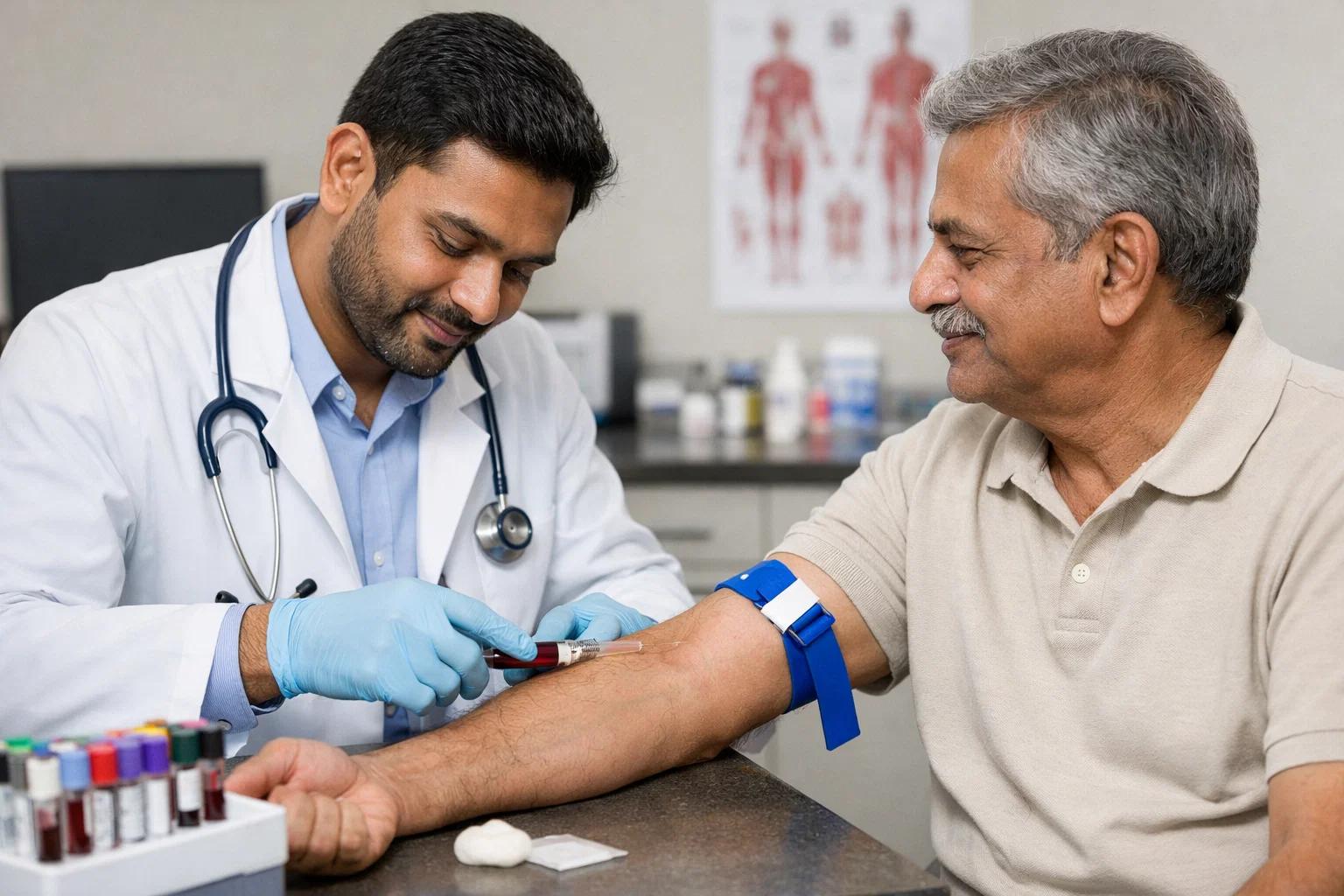
Why do we bother with all these appointments? Because regular health tests are the backbone of staying well as we age. They help us spot potential issues early, which means we can step in with timely interventions and manage chronic conditions way more effectively.
Imagine if you could catch a flicker of heart disease or a hint of diabetes before it changed your daily life. That’s what proactive monitoring does, it enhances our quality of life significantly. By staying on top of our health metrics, we can actually sit down with our doctors and tailor a prevention plan that fits our specific needs. It’s about taking the wheel rather than just being a passenger in our own healthcare journey.
Key Health Tests by Age Group
Our health needs aren't static; they shift as we move through different stages of life. Knowing what to prioritize at each milestone is the secret to proactive management.
Health Tests for Individuals in Their 30s
In our 30s, many of us feel invincible, but this is the decade to start catching early signals. I've seen how easy it is to let these slide, but we should really focus on heart health and metabolic function. Key screenings include:
- Blood pressure and cholesterol tests.
- Blood glucose tests to check for diabetes risk.
- Pap smears and HPV testing for women, along with clinical breast exams.
- Skin checks for any unusual moles (don't ignore that new spot!).
Health Tests for Individuals in Their 40s
Hitting 40 is a major signal that it’s time to get serious. This decade often brings a higher risk for chronic conditions. We should be looking at:
- Colorectal cancer screening: Current guidelines suggest starting at age 45, or even earlier if your family history says so.
- Cholesterol and Blood pressure: These need regular monitoring now to catch hypertension early.
- Diabetes testing: Usually recommended starting at age 45, repeating every three years if your results are normal.
Health Tests for Individuals in Their 50s
By the time we reach our 50s, early detection becomes our best friend. We continue with our colorectal screenings using colonoscopies or stool tests. This is also the time for men to talk to their doctors about prostate cancer screening and PSA testing. Keep a close eye on your blood pressure and cholesterol every few years, or more often if you have risk factors like a family history of heart disease.
Health Tests for Individuals 60 and Older
At 60 and beyond, our focus expands to help us stay mobile and sharp. Essential screenings include:
- Bone Density Scan (DEXA): This assesses our bone health and fracture risk.
- Eye and Hearing Exams: These detect changes that can really impact our daily independence.
- Cognitive Impairment Screening: Catching memory issues early leads to much better management.
- Cardiovascular Screening: Staying on top of those blood pressure and cholesterol levels remains a priority.
Understanding Lab Results and Test Interpretation

Have you ever opened a lab report and felt like you were looking at a page of code? You’re not alone. Traditional reports are often static, technical ledgers that are hard to decode. Typically, you should look for values marked “high” or “low” compared to the reference range. For example, high cholesterol might mean heart risk, while a low red blood cell count could signal anemia.
However, I’ve seen that the diagnostic world is changing. Companies like NirogGyan are now creating “Smart Reports” that use plain language, turning “Hyperglycemia” into “Elevated Blood Sugar”, to help us actually understand what’s happening. Remember, these results are just one piece of your health puzzle, so always chat with your provider to get the full context.
The Role of Wellness Checks and Preventative Care
Wellness checks are more than just a "physical." They are vital for identifying risk factors and managing conditions before they get out of hand. For those of us over 40, these annual visits are essential for cancer, diabetes, and cholesterol screenings. Beyond the tests, these visits foster a trusting relationship with your doctor, which means you get better, more personalized advice. Don’t underestimate the power of preventive care; it’s a total game-changer for your long-term health.
Proactive Health Management: Tips and Recommendations
So, how do we take charge? It’s about building good habits now.
- Schedule regular checkups: Consistency is key.
- Stay informed: Know which tests you need for your specific age.
- Get moving: Physical activity isn't just for weight; it reduces stress and boosts your whole system.
- Eat well: Focus on nutrient-rich foods to support your aging body.
- Stay social: I can’t stress this enough, connecting with friends and family is huge for mental health.
Conclusion: Embracing Health Monitoring as You Age
At the end of the day, proactive monitoring is the key to aging gracefully and keeping a high quality of life. When we understand our lab results and stay on top of screenings, we empower ourselves to make better choices. You might even use home tools like blood pressure monitors to track your vital metrics between visits. By prioritizing wellness checks and staying active, we aren't just adding years to our lives, we’re adding life to our years.
Staying on top of your health is a lot like maintaining a classic car; you don't wait for the engine to fail before checking the oil, regular tune-ups are what keep the journey smooth for miles to come.
Frequently Asked Questions (FAQs):
1. Why are regular health screenings important as you age?Regular health screenings help detect age-related conditions early, such as heart disease, diabetes, cancer, and cognitive decline. Early detection enables timely treatment, better disease management, and improved quality of life as you grow older.
2. What health tests should be done after the age of 40?After 40, essential health tests include blood pressure monitoring, cholesterol tests, diabetes screening, and colorectal cancer screening (usually starting at age 45). Mental health screenings for depression and cognitive changes are also recommended.
3. Which preventive health tests are recommended by age group?Health tests vary by age. Adults aged 18–39 should focus on blood pressure, cholesterol, STI screening, and women’s health tests. Ages 40–64 require cancer screenings, diabetes tests, and heart health monitoring. Those 65 and older should prioritize bone density, vision, hearing, cognitive, and cardiovascular screenings.
4. How can understanding lab reports improve preventive healthcare?Understanding lab results empowers individuals to make informed health decisions and collaborate with doctors on personalized prevention plans. Simplified or smart lab reports make medical terms easier to interpret, helping patients take proactive steps toward better health.
5. How often should wellness checkups be done for older adults?Adults over 40 should ideally schedule annual wellness checkups. These visits help monitor chronic disease risks, update screenings, and strengthen preventive care strategies, supporting healthy aging and long-term well-being.
"Get personalized health insights and AI-driven diagnostics with NirogGyan. Take control of your health today and visit NirogGyan for accurate results!"