
Author: Joyneel AcharyaLast Updated on: 21st August 2025
The healthcare landscape is undergoing a profound transformation, moving decisively from a reactive, symptom-driven model to a proactive, patient-centric approach. This shift is crucial for addressing the escalating burden of chronic diseases and enhancing overall public health outcomes. NirogGyan positions itself at the vanguard of this evolution in India, aiming to deliver accessible, affordable, and high-quality healthcare solutions.
Key Takeaways
- Patient-centric preventive care customizes diagnostics by integrating individual genetics, lifestyles, and preferences, enabling earlier detection and personalized health monitoring.
- Advanced technologies such as AI-powered wearable sensors and IoT devices facilitate continuous, real-time tracking of vital signs, allowing timely interventions before symptoms develop.
- Preventive care emphasizes early detection and management of diseases through routine screenings, vaccinations, and lifestyle counseling, reducing chronic illness incidence and healthcare costs.
- The patient-centric approach fosters active patient involvement, clear communication, and emotional support, enhancing adherence to preventive measures and overall satisfaction.
- Innovations in diagnostics, including AI-driven imaging and molecular testing, improve accuracy and enable detection of diseases at microscopic or asymptomatic stages.
- Collaborative care planning between patients and providers transforms preventive care into a dynamic, personalized process that improves health outcomes and reduces late-stage treatments.
Healthcare administrators often struggle with the inherent complexities of integrating disparate systems, ensuring data consistency across multiple touchpoints, and scaling quality services to meet diverse regional demands. This is where the vision of patient-centric preventive care, powered by comprehensive digital platforms, becomes not just aspirational but operationally imperative. NirogGyan offers a multifaceted suite of services designed to bridge these gaps, including online consultations, diagnostic test bookings with NABL-accredited laboratories, a vast library of health articles, AI-powered preliminary symptom assessment tools, and personalised wellness programmes, with future plans for online pharmacy integration.
Understanding Preventive Care and Its Importance
Preventive care, at its core, focuses on maintaining health and detecting potential issues before symptoms appear, significantly reducing disease risk. It encompasses routine health screenings, vaccinations, and lifestyle counselling, all aimed at early identification and management of conditions like diabetes, heart disease, and cancer. By catching health problems early, preventive care demonstrably improves treatment success and lowers healthcare costs.
For healthcare providers and administrators, the importance of preventive care translates directly into managing caseloads more efficiently, reducing hospitalization rates, and ultimately, improving population health metrics. However, implementing robust preventive programmes across large, diverse populations presents significant operational challenges, including patient outreach, adherence tracking, and seamless data integration. NirogGyan’s digital platform offers a strategic advantage by centralising these aspects, making preventive resources more accessible and promoting proactive health management.
Key benefits of preventive care include:
- Early detection of risk factors and diseases.
- Reduced incidence of chronic illnesses.
- Enhanced quality of life through health promotion.
For example, regular blood pressure and cholesterol checks can prevent heart attacks by enabling timely interventions. Embracing preventive care empowers individuals to take control of their health and supports a shift from reactive to proactive healthcare.
The Patient-Centric Approach in Preventive Care

Patient-centric preventive care is a paradigm shift, prioritising individual needs, values, and preferences to enhance health outcomes. This approach actively involves patients in decision making, ensuring care is respectful and tailored to their unique circumstances. Key elements include clear communication, accessibility, emotional support, and continuity of care, which foster trust and engagement.
Healthcare administrators often struggle with fostering consistent patient engagement and ensuring continuity of care, especially across geographically dispersed populations. NirogGyan's user-friendly interface and comprehensive service offerings, designed for ease of navigation, directly address this by facilitating patient involvement and making healthcare more accessible, particularly in remote areas. The platform's personalized wellness programmes, developed by certified nutritionists and psychologists, are a testament to its commitment to tailoring care to individual needs.
By focusing on what matters most to patients, healthcare providers can better identify risks early and customise preventive strategies. For example, involving patients in lifestyle planning improves adherence to recommendations like diet and exercise, reducing chronic disease risks.
Key benefits of patient-centric preventive care:
- Personalised risk assessment and intervention.
- Improved patient satisfaction and engagement.
- Enhanced prevention through collaborative care planning.
This partnership between patients and providers transforms preventive care from a one-size-fits-all model into a dynamic, effective process.
Advancements in Healthcare Diagnostics Supporting Preventive Care
Innovations in healthcare diagnostics are crucial for enhancing preventive care by enabling earlier and more accurate disease detection. Technologies like AI-powered imaging, digital molecular diagnostics, and point-of-care testing allow clinicians to identify health risks before symptoms appear. For instance, AI-enhanced MRI and CT scans can detect tumours at microscopic stages, improving treatment success rates.
Healthcare administrators often struggle with ensuring the quality and standardisation of diagnostic services, especially when coordinating with external laboratories. That's why NirogGyan partners with NABL-accredited labs, ensuring a robust indicator of quality and reliability for laboratory services in India, lending significant credibility to this particular service line. (NirogGyan developed its robust CloudLIMS partnership with multiple service partners, along with the tie-ups with NABL-accredited labs)
NirogGyan's integration of AI-powered tools for preliminary symptom assessment represents an innovative feature. However, concerns have been raised regarding the accuracy of these AI-powered symptom checkers, with some users reporting generic or inaccurate preliminary diagnoses. This highlights a crucial operational challenge: while AI offers immense potential, its implementation in clinical settings demands rigorous validation and transparent communication of its limitations to ensure patient safety and avoid misdirection.
Key advancements include:
- AI-driven analysis for rapid, precise assessments.
- Portable molecular tests with mobile connectivity.
- Real-time monitoring through smart biosensors.
These tools empower both patients and providers to act swiftly, reducing chronic disease progression and healthcare costs. Embracing these diagnostic innovations supports a proactive, patient-centred approach to health management.
Role of Health Screening in Preventive Care
Health screenings are vital tools in preventive care, enabling early detection of diseases before symptoms appear. Regular checkups assess key health indicators such as blood pressure, cholesterol, and blood sugar levels, helping identify risk factors for conditions like diabetes, heart disease, and kidney issues. Early identification allows healthcare providers to recommend timely lifestyle changes or treatments, reducing disease progression and avoiding costly interventions.
NirogGyan streamlines the operational aspect of health screenings by allowing users to book diagnostic tests with NABL-accredited labs directly through its platform, including the added convenience of home sample collection. This significantly reduces logistical barriers for patients, increasing adherence to recommended screening schedules.
Key benefits of health screening include:
- Detecting hidden health risks early.
- Guiding personalised preventive strategies.
- Enhancing long-term health outcomes.
For example, routine cholesterol tests can prompt dietary adjustments that lower heart disease risk. Embracing regular health screenings empowers individuals to stay informed and proactive about their health.
Quick Diagnosis: Enhancing Preventive Healthcare Outcomes
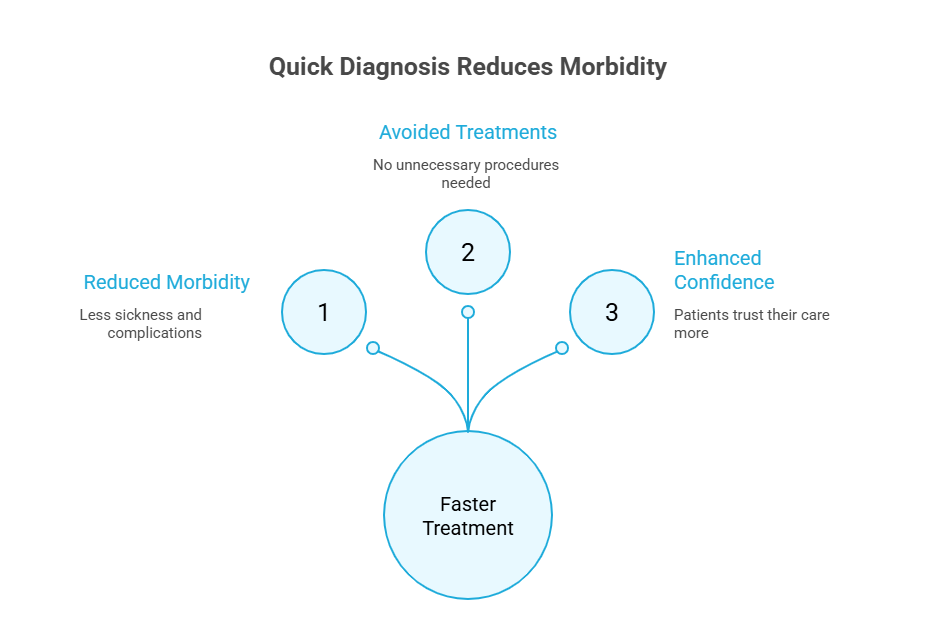
Rapid and accurate diagnosis is essential for improving preventive healthcare outcomes by enabling timely interventions. Quick diagnostic tests (QDTs) reduce the time to identify infections or health risks, allowing healthcare providers to start appropriate treatments sooner. For example, rapid tests for infections like influenza or COVID-19 deliver results within minutes, preventing disease spread and complications.
ROI becomes clear when you consider the direct cost savings and improved patient outcomes associated with rapid diagnosis. Consider the following ROI calculation for adopting a rapid diagnostic integration like NirogGyan’s:
ROI Calculation: Impact of Quick Diagnostics via NirogGyan
| Metric | Without NirogGyan (Current) | With NirogGyan (Optimised) | Benefits/Savings (Per Patient) |
| Time to Diagnosis | 3-5 days | 1-2 days (home sample + digital) | 2-4 days faster |
| Cost per Diagnostic Test (Patient) | £50 (travel, time off work, lab fee) | £40 (convenience, negotiated rates) | £10 saved |
| Cost of Delayed Treatment (e.g., Hospitalisation, Complications) | £500 (average for preventable complication) | £50 (early intervention cost) | £450 saved |
| Patient Satisfaction Index | 6/10 | 9/10 | Enhanced loyalty, positive referrals |
ROI Insight: For every 1,000 patients utilising quick diagnosis through NirogGyan, potential savings from avoided complications and reduced operational burdens could easily amount to hundreds of thousands of pounds annually. This also translates into a healthier, more engaged patient base, reducing future healthcare demands.
Key advantages of quick diagnosis include:
- Faster treatment initiation, reducing morbidity.
- Avoidance of unnecessary treatments and hospital stays.
- Enhanced patient confidence and engagement in care.
Incorporating rapid diagnostics into preventive care helps catch diseases early, lowers healthcare costs, and supports better patient outcomes through swift, targeted action.
Preventing Chronic Diseases through Patient-Centric Preventive Care
Preventing chronic diseases is most effective when care is tailored to each patient’s unique needs and goals. Patient-centric preventive care empowers individuals to actively manage risk factors such as physical inactivity, poor nutrition, tobacco use, and excessive alcohol consumption. By involving patients in setting personalised health goals and creating individualised care plans, providers can enhance adherence and motivation.
NirogGyan's personalized wellness programmes directly support this, developed by certified nutritionists and psychologists. For healthcare organisations, the operational challenge lies in scaling such individualised attention. The platform provides a digital framework to manage and monitor these programmes efficiently, offering a crucial tool for large-scale chronic disease prevention.
Key strategies include:
- Collaborative goal setting to align care with patient priorities.
- Ongoing support for lifestyle changes and self-management.
- Regular monitoring and timely adjustments based on patient feedback.
For example, a patient with prediabetes who partners with their healthcare team to develop a customised diet and exercise plan is more likely to prevent progression to type 2 diabetes. This approach not only improves health outcomes but also fosters long-term engagement and satisfaction.
Ensuring Quality Patient Care in Preventive Diagnostics
Quality patient care is the foundation of effective preventive diagnostics, ensuring accurate results and meaningful health outcomes. Achieving this requires clear communication, standardised protocols, and continuous quality improvement. Engaging patients through education and shared decision-making builds trust and encourages adherence to preventive measures.
Healthcare administrators often struggle with maintaining consistent quality across diverse service lines and ensuring all providers adhere to best practices. NirogGyan has implemented several foundational elements to establish credibility, including a stringent verification process for doctors, NABL-accredited lab partnerships, and the presence of a medical advisory board comprising eminent doctors and public health experts. However, it is crucial for NirogGyan, and indeed any digital health platform, to address the identified inconsistencies in content veracity, particularly the lack of specific source attribution and the inclusion of unproven therapies without clear disclaimers. This is paramount for establishing true trustworthiness and ensuring patient safety.
Feature Comparison Matrix: Quality Assurance in Digital Health
| Feature/Aspect | Traditional Model (Operational Burden) | NirogGyan’s Approach (Solution) | Actionable Insight for Healthcare Leaders |
| Doctor Credentialing | Manual, time-consuming verification, limited ongoing checks. | Stated "stringent verification process" (medical council, qualifications, experience). | Leverage centralised credentialing: Implement or partner with platforms that automate and continuously verify practitioner credentials to reduce administrative overhead and enhance safety. |
| Diagnostic Quality | Varies widely across labs, difficult to audit. | Tie-ups with NABL-accredited labs (India's quality benchmark), home sample collection for convenience. | Prioritise accredited partnerships: Mandate partnerships with accredited diagnostic providers. Conduct regular audits and monitor performance metrics to ensure adherence to quality standards. |
| Medical Content Integrity | Decentralised creation, often outdated or unverified. | Claimed review by medical experts. However, "lack of specific source attribution" and "inclusion of unproven therapies" are significant concerns. | Enforce rigorous content governance: Establish clear policies for evidence-based content, mandatory source attribution, and explicit disclaimers for unproven therapies. Invest in continuous content audits and updates. |
| Data Privacy & Security | Fragmented systems, varying security levels, compliance challenges. | States adherence to data privacy regulations (e.g., GDPR, HIPAA where applicable) and robust encryption. However, needs independent verification for specific Indian laws. | Invest in verifiable compliance: Prioritise verifiable adherence to all national and international data protection laws. Seek independent third-party certifications to build demonstrable trust. |
| AI Tool Accuracy | Ad-hoc or untested internal tools. | AI-powered symptom checkers. Concerns raised regarding accuracy and generic diagnoses. | Demand clinical validation for AI: Any AI tool must undergo rigorous, independent clinical validation. Ensure clear disclaimers on AI limitations and that it is not a substitute for professional diagnosis. |
Key strategies to ensure quality care include:
- Implementing evidence-based clinical guidelines for screenings and diagnostics.
- Training staff to recognise patient needs and cultural sensitivities.
- Using patient-reported outcomes to tailor care and improve satisfaction.
- Coordinating care across providers to close gaps and avoid redundant tests.
For example, a well-designed care pathway for cardiovascular risk screening can reduce errors and enhance early intervention success. Integrating these quality measures supports a patient-centred approach that optimises preventive diagnostics.
Future Trends and Innovations in Patient-Centric Preventive Diagnostics
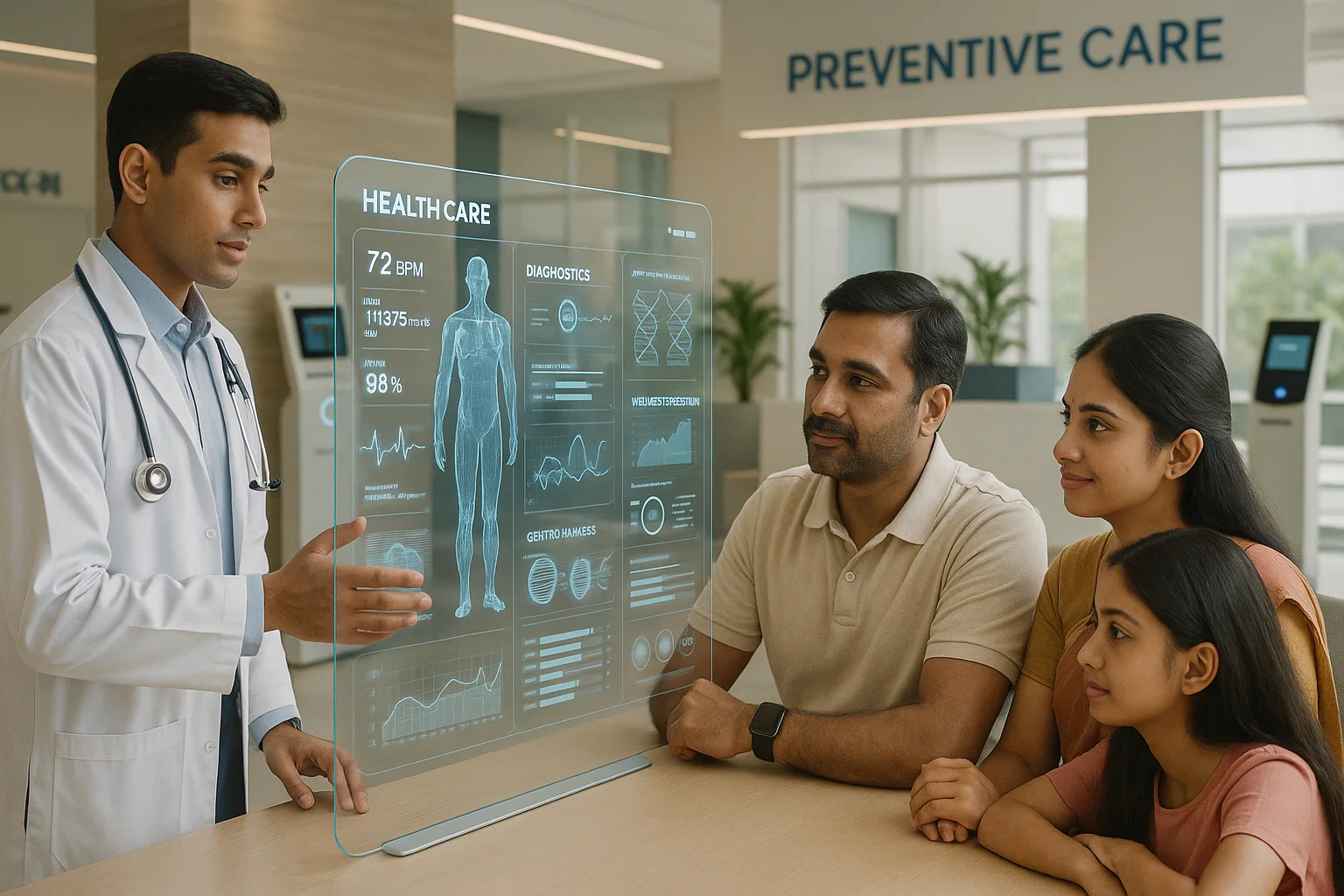
The future of patient-centric preventive diagnostics lies in integrating AI, predictive analytics, and personalised medicine to anticipate health risks before they manifest. Advanced AI algorithms analyse vast patient data from genetics to lifestyle to predict disease onset and tailor preventive strategies uniquely for each individual. Wearable devices will become more sophisticated, continuously monitoring health metrics and alerting both patients and providers to subtle changes in real time.
NirogGyan's current AI-powered tools and future plans for online pharmacy integration demonstrate an aspiration towards this comprehensive, integrated healthcare journey. For organisations considering adopting such advanced platforms, understanding the implementation journey is critical.
Implementation Timeline for a Comprehensive Digital Health Platform (e.g., NirogGyan)
Phase 1: Planning & Assessment (1-3 Months)
- Define Objectives: Clearly articulate desired outcomes (e.g., patient engagement, cost reduction, service expansion).
- Vendor Selection: Evaluate platforms like NirogGyan based on feature sets, scalability, and security.
- Stakeholder Alignment: Secure buy-in from clinical, IT, administrative, and legal teams.
- Current State Analysis: Map existing workflows, identify pain points, and assess technological readiness.
Phase 2: Setup & Integration (3-6 Months)
- Platform Configuration: Customise NirogGyan (or similar) to organisational needs (branding, service offerings).
- Data Migration & Integration: Connect with existing EMR/EHR systems (if applicable), establish secure data flows.
- Provider Onboarding: Train doctors, nutritionists, psychologists on platform usage, telemedicine protocols.
- Content Curation & Review: Audit and adapt health content, ensuring accuracy and sourcing, particularly for any content on alternative therapies.
Phase 3: Pilot & Optimisation (2-4 Months)
- Pilot Launch: Roll out services to a controlled user group.
- User Feedback Collection: Gather input from patients and providers.
- Performance Monitoring: Track KPIs (e.g., waiting times, AI accuracy, user satisfaction).
- Iterative Refinement: Address technical glitches, workflow issues, and content gaps.
Phase 4: Full Scale Deployment & Continuous Improvement (Ongoing)
- Broader Launch: Expand services to the full target audience.
- Marketing & Patient Education: Promote platform usage and educate users on its benefits and limitations (e.g., AI accuracy).
- Regulatory Compliance: Continuously monitor and adapt to evolving healthcare regulations and data protection laws.
- Scalability Planning: Proactively address potential issues like peak hour waiting times for consultations.
Emerging trends include:
- AI-driven predictive models for early risk detection.
- Integration of genomics for personalised prevention.
- Virtual care platforms enhance patient engagement.
For example, predictive analytics can forecast diabetes risk years in advance, enabling customised interventions that reduce disease incidence. Embracing these innovations promises more accurate, timely, and patient-focused preventive care.
Conclusion: Embracing Patient-Centric Preventive Care for a Healthier Future
Patient-centric preventive care is key to transforming healthcare into a more proactive, personalised, and effective system. By centering care around individual needs and leveraging advanced diagnostics, patients and providers can detect risks early, prevent chronic diseases, and improve overall well-being. This approach fosters stronger communication, greater patient engagement, and tailored interventions that align with personal health goals.
For healthcare leaders, embracing this future requires strategic vision and commitment to operational excellence. While NirogGyan demonstrates considerable potential in addressing critical healthcare accessibility gaps in India, its long-term viability and ability to achieve its stated mission depend critically on addressing current limitations, particularly concerning content veracity, AI accuracy, and potential conflicts of interest inherent in its business model.
To embrace this future, healthcare systems should:
- Prioritise patient education and shared decision-making.
- Integrate innovative diagnostic tools for timely detection.
- Support continuous monitoring and personalised care plans.
For example, patients actively involved in their preventive care are more likely to adhere to lifestyle changes, reducing hospitalisations and healthcare costs. Adopting patient-centric preventive care today lays the foundation for healthier communities tomorrow.
Highlighted Key Takeaways for Strategic Healthcare Consulting:
- Holistic Digital Integration: Platforms like NirogGyan offer a comprehensive ecosystem, but true value is unlocked when each component (consultations, diagnostics, content) operates with verifiable quality and ethical integrity.
- Data-Driven Quality Assurance: While AI offers efficiency, rigorous clinical validation and transparent communication of its limitations are non-negotiable for patient safety and trust.
- Ethical Business Models: Commission-based models present inherent conflicts of interest in healthcare. Proactive safeguards, independent audits, and transparent disclosure are essential to maintain patient trust and regulatory compliance.
- Scalability with Quality: Growth must be matched with operational capacity. Addressing service bottlenecks (e.g., peak hour wait times) is critical for sustaining high-quality patient experience.
- Beyond Assertion to Demonstration: Stating adherence to quality standards and regulations is insufficient. Digital health platforms must actively demonstrate compliance through auditable processes and a genuine commitment to evidence-based practice and patient well-being.
This strategic alignment, while promising for market growth, implies a heightened obligation for precision and ethical practice. The platform's long-term success will depend not only on user acquisition but also on maintaining sustained trust, which can be easily eroded if quality or ethical standards are perceived to be compromised in the pursuit of affordability or scale.
Frequently asked questions (FAQs)
1. What is patient-centric preventive care?
Patient-centric preventive care is an approach that tailors preventive health strategies and diagnostics to individual patient needs, preferences, and lifestyles, promoting early detection and personalized health management.
2. How does preventive care improve diagnostic outcomes?
Preventive care enables early detection of diseases through routine screenings and advanced diagnostics, which leads to timely interventions, improved treatment success, and reduced healthcare costs.
3. What role do healthcare diagnostics play in preventive care?
Healthcare diagnostics, including advanced imaging and molecular tests, help identify health risks before symptoms appear, allowing for personalized preventive strategies and better management of chronic diseases.
4. Why is quick diagnosis important in preventive healthcare?
Quick diagnosis facilitates timely treatment, reduces complications, and enhances patient outcomes by enabling healthcare providers to act swiftly on early signs of illness or risk factors.
5. What future trends are shaping patient-centric preventive diagnostics?Emerging trends include the integration of artificial intelligence, predictive analytics, personalized medicine, and wearable health technologies that enable continuous monitoring and tailored preventive care plans."Get smarter health insights with NirogGyan’s Smart Reports - your key to data-driven wellness decisions!"