Author: Joyneel Acharya
Last Updated On: 30th September 2025
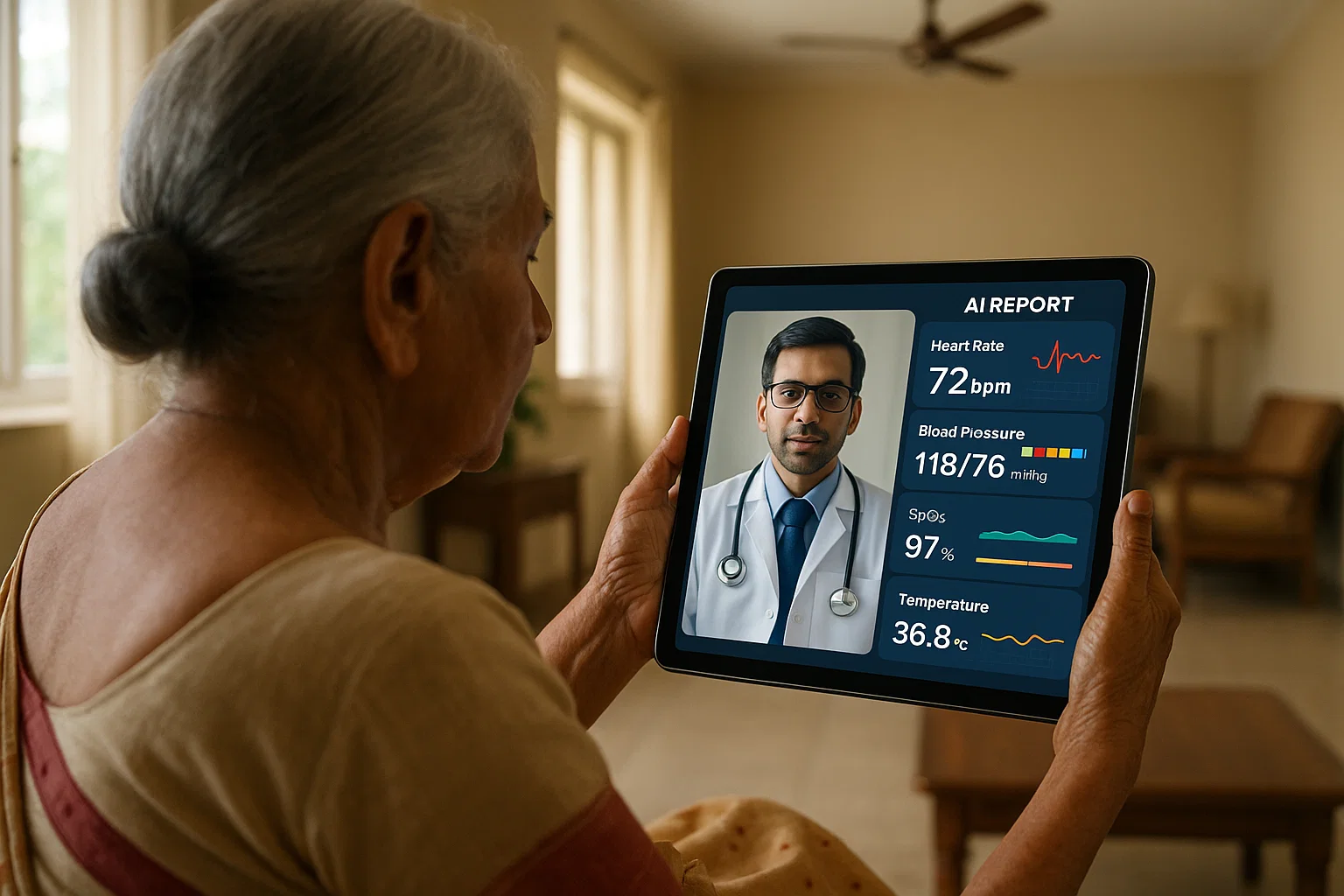
Imagine a doctor trying to spot a subtle, critical change in a patient’s condition by manually reviewing hours of monitoring footage. It’s an overwhelming, near-impossible task where a single missed detail can have serious consequences. Now, imagine an AI that can watch that same footage, instantly flag the one moment that matters, and present it to the doctor in a simple, visual summary.
This isn't a futuristic fantasy; it's the reality of AI video reports, and they are quietly revolutionizing how healthcare is delivered, making it smarter, faster, and safer for everyone involved.
Key Takeaways
- Visuals Speak Louder: AI video reports turn complex medical data into simple, visual stories, helping doctors make faster, more accurate decisions.
- More Time for Patients: By automating reporting, these tools free up clinicians from paperwork, allowing for more hands-on patient care and accelerating workflows.
- Accuracy You Can Trust: AI consistently spots patterns and errors that humans might miss, significantly reducing the risk of medical mistakes.
- Patients Become Partners: Easy-to-understand visual reports empower patients, improving communication, building trust, and encouraging them to take an active role in their health.
- From Reactive to Proactive: By predicting health risks before they become critical, AI enables providers to intervene early, preventing emergencies and improving long-term outcomes.
Understanding AI Video Reports and Their Role in Modern Healthcare
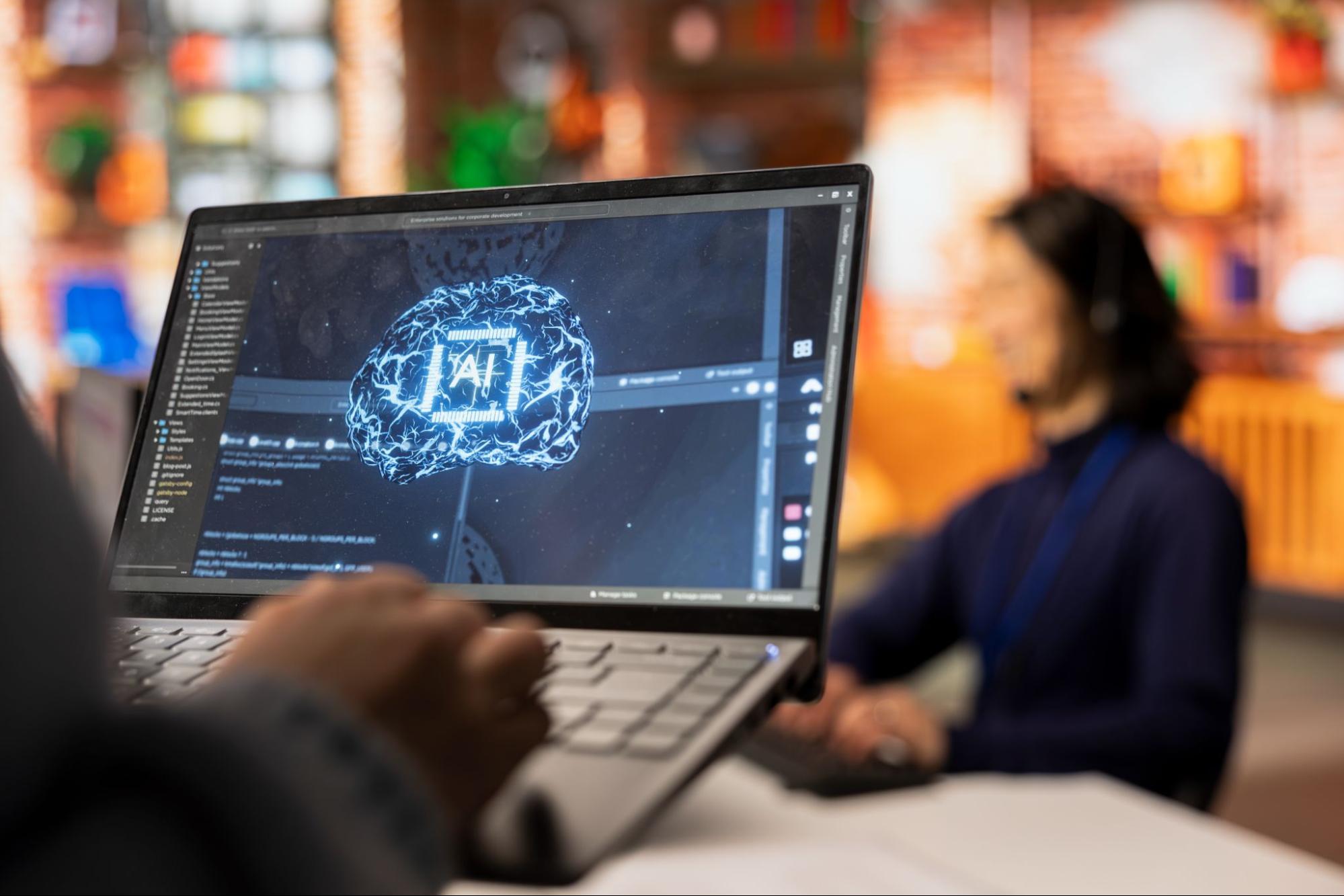
So, what exactly are AI video reports in healthcare? Think of them as intelligent storytellers for complex medical data. These innovative AI reporting tools for healthcare use sophisticated algorithms to analyse visual information from diagnostic imaging and security cameras to video feeds from medical devices and transform it into clear, actionable insights.
Instead of presenting clinicians with a mountain of raw data, the technology creates concise visual summaries, highlighting the patterns, anomalies, and critical events that need immediate attention. Their role is becoming essential in modern healthcare for a few key reasons:
- Continuous Patient Monitoring: They can tirelessly watch over patients, detecting subtle changes in behaviour or vital signs that might signal a problem.
- Enhanced Facility Security: AI can monitor hospital environments in real-time, instantly flagging security threats or safety risks.
- Accelerated Decision-Making: By turning data into easy-to-understand visuals, they give clinicians the information they need to act decisively and quickly.
For example, an AI-powered system can send an instant alert if a high-risk patient attempts to get out of bed, allowing staff to prevent a fall before it happens. This is healthcare data visualization at its most impactful.
Benefit 1 - Enhanced Data Visualization and Interpretation for Better Decision-Making
Let’s be honest: healthcare generates an overwhelming amount of data. Clinicians often have to wade through dense reports and spreadsheets, which can slow down decision-making and increase cognitive load. One of the most significant AI video report benefits is how they cut through that noise.
These tools transform complex datasets into intuitive charts, video summaries, and visual highlights that tell a clear story. This enhanced healthcare data visualization means a doctor can grasp a patient's progress or spot a worrying trend in seconds, not hours.
The key advantages here are:
- Effortless Interpretation: Critical information about patient vitals and behaviours becomes instantly understandable.
- Rapid Pattern Recognition: The AI can identify subtle patterns that might point to a developing risk, making proactive care possible.
- Clearer Team Communication: Visual findings are far easier to share and discuss with a multidisciplinary care team, ensuring everyone is on the same page.
This visual clarity leads to better, faster, and more confident clinical decisions, which is a cornerstone of improved healthcare reporting.
Benefit 2 - Time Efficiency in Reporting and Accelerated Clinical Workflows
In healthcare, time is a currency that can be measured in lives. Every minute a clinician spends on manual paperwork is a minute not spent with a patient. AI reporting tools for healthcare are a game-changer for healthcare reporting efficiency, automating the tedious and time-consuming aspects of data analysis and documentation.
By automatically processing and summarising complex video data, these tools slash the delays that can bog down clinical workflows. This allows medical professionals to respond much faster to critical events, whether it's a change in a patient's condition or a security incident.
The time-saving impact is profound:
- Automated Summaries: Comprehensive video reports are generated automatically, eliminating hours of manual review.
- Prioritised Alerts: Urgent events are identified and flagged immediately, so teams know where to focus their attention.
- Streamlined Handovers: Clear visual reports make communication between shifts or departments seamless and quick.
Studies have shown that some time-saving AI tools can reduce the time needed to draft clinical study reports by over 30%. That's a massive efficiency gain that translates directly into more time for patient-focused care.
Benefit 3 - Improved Accuracy and Reduction of Human Error in Healthcare Reporting
Even the most dedicated healthcare professional is human. Fatigue, high workloads, and the sheer volume of data can lead to unintentional errors in manual reporting and analysis. AI-driven healthcare analytics integrated into video reports offer a powerful solution by providing an objective, tireless set of eyes.
By consistently applying the same criteria to every piece of data, AI algorithms minimise the subjective bias and oversight common in manual processes. This leads to a dramatic improvement in data integrity and reliability.
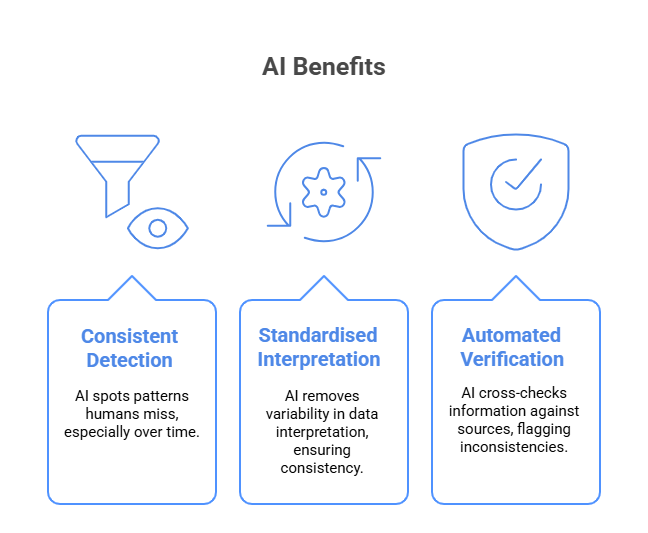
AI improves accuracy in several key ways:
- Consistent Anomaly Detection: The AI is programmed to spot patterns and deviations that the human eye might miss, especially over long periods.
- Standardised Interpretation: It removes the variability that comes from different people interpreting the same data, ensuring consistency.
- Automated Cross-Verification: The system can cross-check information against multiple sources automatically, flagging inconsistencies that need review.
An AI platform can scan thousands of records in minutes to find errors that would take a human team weeks to uncover. This level of improved accuracy not only enhances patient safety but also supports regulatory compliance by reducing human error in healthcare reporting.
Benefit 4 - Enhanced Patient Engagement and Communication Through Visual Insights
For patients, a medical diagnosis can feel like trying to learn a new language filled with complex terms and abstract data. AI patient care reports help bridge this communication gap by transforming confusing medical information into something clear, visual, and personal.
When patients can actually see their progress, perhaps through a simple chart showing their recovery trend or a video explaining a procedure, it demystifies their healthcare journey. This clarity fosters a deeper level of trust and empowers them to become active partners in their own care.
Visual insights supercharge patient engagement by:
- Personalising Education: Patients can receive custom video summaries that explain their specific diagnosis or treatment plan in an easy-to-digest format.
- Improving Remote Monitoring: Visual updates allow patients being monitored at home to see their own trends and better understand their provider's recommendations.
- Breaking Down Barriers: Visual and multilingual content can help overcome language and health literacy gaps, making healthcare communication more inclusive.
By making complex data relatable, these tools strengthen the patient-provider relationship and have been shown to reduce patient anxiety, leading to better adherence and improved health outcomes.
Benefit 5 - Support for Predictive Analytics and Proactive Patient Care
Traditional healthcare is often reactive; we wait for a problem to occur, then we treat it. Predictive analytics in healthcare, powered by AI healthcare reporting, allows us to flip that script entirely.
By analysing vast streams of historical and real-time video data, AI can uncover subtle patterns that signal an impending health risk, often long before visible symptoms appear. This foresight enables a shift to truly proactive care.
The advantages are transformative:
- Early Risk Detection: The system can predict which patients are at high risk for events like falls, infections, or clinical deterioration.
- Smarter Resource Allocation: Hospitals can identify high-risk patients and prioritise resources to provide preemptive care.
- Timely Preventive Interventions: Alerts can prompt care teams to intervene early, preventing a minor issue from becoming a major crisis.
For instance, an AI model that analyses a patient’s movements and behaviour can predict their fall risk, allowing staff to implement preventative measures that reduce hospital stays and costly readmissions. This is how we move from simply treating sickness to actively preserving wellness.
Real-World Examples and Case Studies Demonstrating the Impact of AI Video Reports
This isn't just theory; the impact of AI video reports is being proven in healthcare settings worldwide.
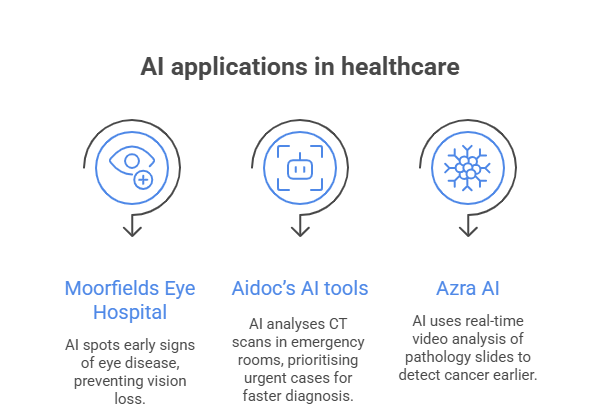
Here are a few standout AI in healthcare case studies:
- At Moorfields Eye Hospital, AI video analytics are used to spot the earliest signs of eye disease, enabling treatments that can prevent vision loss.
- Aidoc’s AI tools are deployed in emergency rooms to analyse CT scans and automatically prioritise the most urgent cases, dramatically reducing diagnosis times when every second counts.
- Azra AI is making strides in oncology by using real-time video analysis of pathology slides to help detect cancer earlier, creating more opportunities for successful intervention.
These healthcare AI success stories clearly show how turning complex visual data into actionable intelligence helps providers deliver faster, more precise, and deeply personalised patient care.
Conclusion: The Future of Healthcare Reporting with AI Video Reports
The shift towards AI video reports represents more than just a technological upgrade; it's a fundamental step towards a more intelligent, efficient, and patient-centred healthcare system. By making data more accessible, accurate, and actionable, these tools are empowering clinicians to move beyond administrative burdens and focus on what they do best: caring for patients.
The future of healthcare technology innovation will undoubtedly involve deeper integration of AI analytics with electronic health records and predictive models. Healthcare organisations that embrace these tools now will not only streamline their workflows but will be best positioned to improve patient outcomes, enhance engagement, and thrive in an increasingly data-driven world.
Frequently Asked Questions (FAQs)
1. What are AI video reports in healthcare?
In simple terms, they are smart tools that use artificial intelligence to analyse medical video or imaging data and then create clear, visual summaries. This helps doctors quickly understand complex information, make better clinical decisions, and communicate more effectively with patients.
2. How do AI video reports actually improve accuracy?
Humans can get tired or overlook small details, but AI is designed for consistency. It continuously analyses video data to detect patterns, anomalies, and potential errors that a person might miss. This leads to more reliable data and reduces the risk of misdiagnosis.
3. Will AI video reports save time for doctors and hospitals?
Absolutely. One of the biggest benefits is time efficiency. These tools automate the incredibly time-consuming process of data analysis and report generation. This speeds up the entire workflow, allowing for quicker diagnoses and freeing up doctors to spend more valuable time with their patients.
4. How do these reports actually help patients?
They translate complicated medical jargon and data into visual formats that are easy to grasp. Imagine getting a simple video summary explaining your condition instead of a dense report. This improves understanding, reduces anxiety, builds trust, and encourages you to be more involved in your own care decisions.
5. What does "predictive analytics" mean in this context?
It means using AI to analyse data and identify patients who are at high risk for future health problems, like a fall or a sudden decline in their condition. This allows care teams to be proactive and intervene before an emergency happens, leading to much better long-term health outcomes.
"Start Your Health Journey Smarter With NirogGyan. Discover the meaning behind your reports and take informed steps toward better health.”