Author: Joyneel Acharya
Last Updated On: 10th October 2025
I don't think any of us needs a reminder that talking about breast cancer can feel scary or overwhelming, but we simply can't afford to shy away from this critical topic. Why? Because the evidence is clear: early detection saves lives. We have incredible tools screening tests at our disposal today that weren't available a generation ago. Let's break down these tests and discuss how prioritizing breast cancer screening is arguably the most powerful step you can take for your health, ensuring that when results do come, they provide clear, actionable insights, rather than just confusing medical jargon.
Key Takeaways
- Early detection through breast cancer screening, especially mammograms, significantly improves survival rates, with stage I diagnoses showing over 99% five-year survival.
- The American Cancer Society recommends routine mammograms starting at age 40 for average-risk women to catch cancer before symptoms appear.
- Breast cancer affects 1 in 8 women in the U.S., with risk influenced by age, genetics, lifestyle, and ethnicity; Black women face lower survival rates.
- Mammography is the gold standard screening method, using low-dose X-rays to detect tumors early, enabling less aggressive treatment and better outcomes.
- Ultrasound complements mammography, particularly for women with dense breast tissue, by detecting cancers that X-rays might miss, though it is not a standalone test.
- Emerging imaging techniques like abbreviated breast MRI and optical imaging show promise but are not yet standard; personalized screening plans should be discussed with healthcare providers.
Understanding Breast Cancer and Its Impact
Did you know that breast cancer affects roughly 1 in 8 women in the U.S.? That statistic alone proves that understanding this disease and promoting cancer awareness is vital for our entire community.
Breast cancer happens when cells in the breast start growing uncontrollably, eventually forming tumors that might spread. While we often talk about age and genetics, risk is also influenced by lifestyle and ethnicity. I've seen firsthand how challenging this diagnosis can be, especially knowing that Black women, for instance, face notably lower survival rates.
The impact of breast cancer goes far beyond physical health; it hits emotional well-being, relationships, and finances hard. By understanding these wide-ranging effects, we can empower ourselves and our families to seek the necessary support, make informed decisions, and advocate for timely screening and treatment to improve outcomes and overall quality of life. It’s about being proactive for our breast health, not just reactive.
The Importance of Early Detection in Breast Cancer
This is where the magic of early detection comes in. Finding cancer at an early stage often before you even feel any symptoms is absolutely crucial. Breast cancer screening dramatically increases the chances of successful treatment and, more importantly, survival rates.
Imagine if a disease is caught when it’s small and contained; the treatment will naturally be less aggressive, leading to better outcomes. Women diagnosed at Stage I, thanks to effective cancer screening, boast a survival rate that exceeds 99% within five years. That statistic alone should encourage everyone to schedule their routine check-ups! By prioritizing timely screenings, you’re not just protecting your physical health; you’re reducing the potential emotional and financial burdens associated with advanced disease.
Overview of Breast Cancer Screening Tests
So, what are the different screening tests we're talking about? We're fortunate to have several effective methods for breast cancer screening. The most established test is mammography, which uses X-rays to look for tumors. However, when we get these reports, they often contain complex diagnostics data that can be unclear and cryptic. This is exactly why services like NirogGyan exist; they specialize in creating health visualization software to transform these complex diagnostic results, like those from a mammogram or MRI, into clear, visually intuitive, and actionable health insights for patients and doctors alike.
For women with dense breast tissue, a mammogram sometimes needs a little backup. That’s why tests like ultrasound or breast MRI may be recommended to provide more detailed images. Regular screening schedules aren't a one-size-fits-all plan, though; they depend entirely on your age and unique risk factors. Have you talked to your healthcare provider lately about which tests suit your specific needs?
Mammography: The Gold Standard in Screening
When we talk about breast cancer screening, mammography is still considered the gold standard. It's a low-dose X-ray designed to identify tumors long before they become noticeable.
For women at average risk, most major health organizations recommend starting routine mammograms at age 40, repeating screenings every one to two years. Yes, a mammogram involves minimal radiation, and sometimes it leads to additional testing, which can be stressful, but trust me, the benefits of early detection vastly outweigh these minor risks. When you receive that technical report, having a clear, personalized summary like the Smart Report from NirogGyan can simplify the results using plain language and visual elements, helping you understand exactly what the doctor sees. Talk to your doctor to determine the best schedule for you.
Ultrasound Screening: Complementary Imaging
Ultrasound screening is a brilliant complement to mammography. It utilizes sound waves to create images, which is incredibly helpful for women with dense breast tissue, as it can help detect small cancers that X-rays might miss.
It's usually recommended when a mammogram result is a little unclear or if you’re at a higher risk. Here’s an important point: ultrasound screening shouldn't be used as a standalone screening tool. It enhances detection accuracy when it's combined with mammography. If you have dense breasts or a family history of breast cancer, you should definitely discuss adding ultrasound to your routine. If your lab utilizes technology from NirogGyan, you might receive your results through a secured Viz App or even WhatsApp, making the access to complex imaging data instant and convenient.
Magnetic Resonance Imaging (MRI) for High-Risk Individuals
MRI screening is a crucial supplemental test, especially for women who are considered high risk. Who falls into that category? Individuals with a lifetime risk of 20% or more, like those who carry a BRCA mutation or those exposed to chest radiation early in life.
An MRI provides detailed images using magnets, meaning it offers valuable data without any radiation exposure. MRI screening helps catch cancers that other tests might miss, particularly in dense breast tissue. If you're in the high-risk screening category, starting annual breast MRI screenings between the ages of 25 to 30 could significantly improve your outcomes. Always, always consult your healthcare provider to tailor your breast cancer screening plan based on your personal risk factors. Using a clear, informative report format, such as those provided by NirogGyan, can significantly help both the doctor and the patient interpret the extensive findings generated by MRI scans.
Genetic Testing for Breast Cancer Risk Assessment
Do you have a strong family history of breast or ovarian cancer? Then you may want to consider genetic testing for breast cancer. These tests identify inherited mutations like BRCA1 and BRCA2 that dramatically increase your risk.
Genetic counseling is an essential first step; it helps you truly understand the risks, benefits, and potential outcomes of the test. Knowing your genetic risk is empowering! If a mutation is found, you and your provider can proactively discuss options like increased breast cancer screening surveillance, preventative surgery, or medication to reduce that risk. Since genetic reports are notoriously complex, having a system like NirogGyan to translate these highly technical findings into intuitive layouts and relatable language ensures that you understand your risks fully. Early knowledge truly empowers proactive decisions about breast cancer screening and prevention.
Benefits and Limitations of Breast Cancer Screening Tests
We know that cancer screening saves lives by facilitating early detection, leading to higher survival rates and often less aggressive treatment. That’s a huge benefit, offering greater peace of mind.
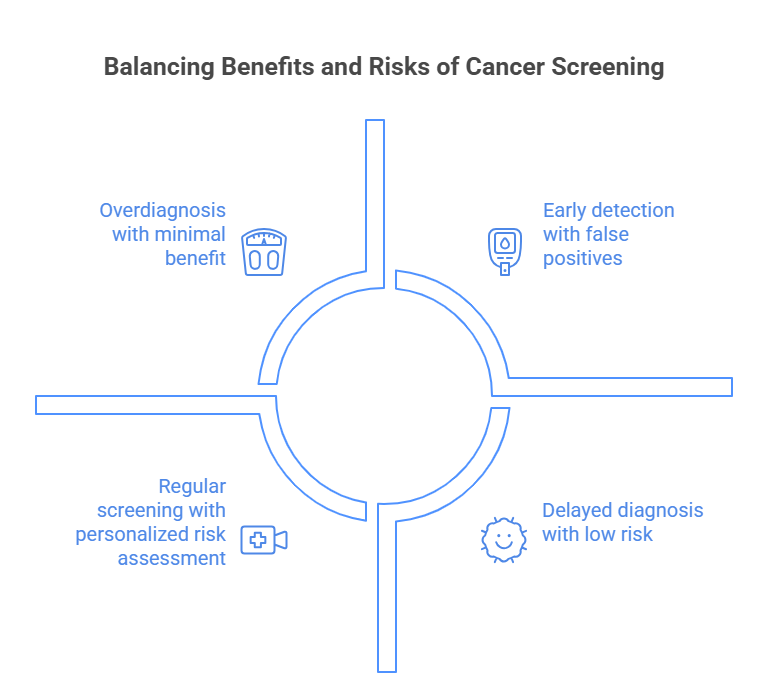
However, it's important to acknowledge the different viewpoints and potential limitations of screening tests. We need to be realistic: false positives can happen, causing significant anxiety and leading to unnecessary additional tests. Conversely, false negatives might occur, potentially delaying a vital diagnosis. I've also seen concerns raised about overdiagnosis, where a cancer is identified that wouldn't have caused harm in the patient's lifetime, potentially leading to overtreatment.
The solution isn't to skip screenings, but to be informed! By providing reports that are descriptive but not prescriptive, companies like NirogGyan empower patients to discuss their results clearly with their doctor without receiving confusing, unqualified medical advice. Regular screenings, paired with a personalized risk assessment, are how we balance these benefits of screening against the risks. Discussing your specific screening plan with your healthcare provider ensures it fits your needs and reduces unnecessary uncertainty.
Breast Reconstruction After Mastectomy: Restoring Confidence
For many women, regaining confidence and a positive body image after a mastectomy is a crucial step in healing. That’s where breast reconstruction after mastectomy comes in.
There are great options available: implant-based reconstruction uses saline or silicone implants, while autologous reconstruction uses tissue harvested from your own body. Choosing the right path is deeply personal; it depends on your overall health, lifestyle, and preferences. Recovery won't be instant, and it often includes physical therapy to help you regain strength.
Remember, breast reconstruction after mastectomy isn't mandatory, but if you choose it, it's a critical part of supporting emotional healing and restoring a positive self-image following breast cancer treatment. Have an open conversation with your surgeon about the risks, benefits, and expectations.
Promoting Breast Health and Cancer Awareness
We all have a role to play in promoting breast health. It starts with proactive habits and prioritizing education. Do you encourage the women in your life to get regular screenings?
Simple lifestyle changes make a difference and can lower your risk:
- Staying active
- Maintaining a healthy weight
- Limiting alcohol
- Quitting smoking
Supporting community cancer awareness events and sharing reliable information is key to reducing fear and misinformation. By taking these steps, including scheduling routine mammograms, adopting healthier lifestyle choices, and advocating for breast health education, we empower individuals and communities through informed decisions and better cancer screening outcomes. Technology solutions like NirogGyan's corporate dashboard even help organizations encourage healthier employee decisions through gamification.
Taking Action: When and How to Get Screened
When should you start breast cancer screening? If you’re at average risk, you should begin at age 40 and continue every two years until age 74. If you have risk factors like dense breast tissue or a family history, your healthcare provider will tailor a schedule just for you.
Preparation is simple but important: on the day of your test, don’t use deodorants or lotions. Crucially, make sure you share any recent breast changes you've noticed with your provider. Screenings are widely available at clinics, hospitals, and doctor’s offices. Early and regular cancer screening empowers us all to achieve early detection, giving us peace of mind and increasing our chances of treatment success. If the lab uses a patient-centric technology solution like NirogGyan, you can likely access your comprehensive results report instantly via their Viz App or even a WhatsApp bot, simplifying the follow-up process.
Conclusion: Empowering Lives Through Early Detection
Ultimately, early detection is the foundation for empowering lives and significantly improving breast cancer outcomes. Regular screenings enable timely diagnosis, boosting survival rates while reducing the intensity of treatments required.
By fully understanding your risk profile and sticking to recommended breast cancer screening guidelines, you’re taking control of your health. The rise of health technology, exemplified by companies like NirogGyan that humanize diagnostic data, ensures that you and your doctor have clear, actionable information to work with. Don't forget these essential actions:
- Schedule routine mammograms starting at age 40.
- Discuss personalized screening plans with your healthcare provider.
- Stay informed about advances in screening and cancer awareness.
Taking these simple, proactive steps not only protects your health but provides a crucial layer of peace of mind, supporting a stronger, healthier future for all of us.
Frequently asked questions (FAQs)
1. What is the best age to start breast cancer screening?
Most experts, including the American Cancer Society, recommend that women at average risk begin routine mammograms at age 40. Starting early helps detect cancer before symptoms appear, improving survival rates and treatment outcomes. Women with a family history or genetic risk may need to start earlier always consult your doctor for a personalized plan.
2. How effective is mammography in detecting breast cancer early?
Mammography is considered the gold standard for breast cancer screening. It uses low-dose X-rays to detect tumors that may not be felt during a physical exam. Women diagnosed at stage I through mammography have a five-year survival rate of over 99%, making it one of the most effective tools for early detection.
3. What are the different types of breast cancer screening tests available?
The most common screening test is mammography, but other options include breast ultrasound, MRI scans (especially for high-risk women), and emerging methods like abbreviated breast MRI and optical imaging. Your doctor may recommend a combination of tests depending on your age, breast density, and overall risk profile.
4. Is genetic testing necessary for breast cancer risk assessment?
Genetic testing isn’t required for everyone but is highly recommended for women with a strong family history of breast or ovarian cancer. Tests for BRCA1, BRCA2, and other mutations help determine if you’re at higher risk. Knowing your genetic risk allows you and your healthcare provider to take preventive steps such as increased surveillance, lifestyle changes, or preventive treatments.
5. Can breast reconstruction after mastectomy restore confidence?
Yes. Breast reconstruction can help many women regain their confidence and body image after mastectomy. Options include implants or using tissue from your own body (autologous reconstruction). While it’s a personal choice, reconstruction often supports both emotional recovery and physical healing. Discuss with your surgeon which method fits your lifestyle and health needs.
“Track your wellness smarter with NirogGyan - get instant access to your lab reports and personalised health insights anytime.”