Author: Joyneel Acharya
Last Updated On: 28th October 2025
Imagine receiving a cryptic, complex medical document, a report that holds the key to your well-being yet it's filled with jargon and foreign terms. This sense of uncertainty is precisely what countless patients face when they receive traditional lab reports. But what if that report wasn't even in their native language? It shifts from confusing to terrifying. As leaders driving healthcare innovation, we must recognize that multilingual lab reports are not a fringe benefit; they are a fundamental pillar for promoting robust health literacy across all diverse patient communities. This is the next vital chapter in healthcare evolution.
Key Takeaways
- Multilingual lab reports break language barriers, enhancing patient comprehension, health literacy, and engagement by providing test results in native languages with culturally sensitive translations.
- Health literacy enables patients to understand and use health information for informed decisions; labs improve outcomes by offering clear, accessible reports that reduce misinterpretation and promote adherence.
- Lab reports serve as educational tools, helping patients grasp their health status through clear explanations, avoiding jargon, and fostering better communication with healthcare providers.
- Language barriers hinder health literacy, causing misunderstandings and poor outcomes; providing linguistically accessible reports supports health equity and patient safety.
- Multilingual reports ensure medical accuracy and cultural sensitivity, empowering diverse populations, increasing trust, and improving patient-provider communication for safer, equitable care.
- By enhancing clarity and cultural relevance, multilingual lab reports promote accurate treatment adherence, reduce errors, and foster informed patient participation, ultimately improving health outcomes.
Understanding Health Literacy and Its Importance in Laboratory Medicine

What is health literacy? At its heart, it's the ability for patients to find, understand, and use health information to make informed decisions about their own well-being.
In laboratory medicine, this ability directly influences how a patient interprets test results and whether they follow crucial medical advice. I've seen how easily low health literacy can lead a patient down a path of misinterpretation, poor adherence to treatment plans, and, ultimately, adverse health outcomes. Labs play a vital role here. By providing clear, accessible information, we’re not just sharing data; we’re giving patients the knowledge they need for self-advocacy. Enhancing health awareness through accessible reports significantly improves patient engagement, satisfaction, and overall health outcomes.
FASCINATING FACT: WHY IT MATTERS!
When patients struggle to grasp their health information (a core issue of low health literacy), it's not just confusing; it leads to critical risks like medication errors, reduced adherence, and delayed essential care. Addressing this gap supports health equity.
The Role of Lab Reports in Patient Education and Health Communication
Lab reports function as crucial educational tools. They are the primary source of personalized health information a patient receives about their internal health status.
However, traditional, opaque reports often dense with raw data can feel like a high-stakes puzzle. If a patient receives results that are unclear and cryptic, how can they actively and confidently participate in their care decisions? They simply won't. Effective lab reports must prioritize clarity, aggressively avoid medical jargon, and utilize patient-friendly formats that support comprehension.
This is where innovation steps in. Companies like NirogGyan create "Smart Reports" designed to transform complex diagnostics data into clear, actionable insights and messages. When labs include detailed explanations and possible implications, patients gain context beyond raw numbers, facilitating much better dialogue and strengthening health communication with their providers.
| Feature | Traditional Lab Report | NirogGyan Smart Report (Patient-Centric) |
| Data Presentation | Raw numerical tables, cryptic abbreviations | Intuitive layouts, data visualization, graphs |
| Language | Medical jargon, technical terminology | Plain language, relatable explanations |
| Patient Action | Confusion, anxiety, reliance solely on doctor | Empowerment, informed discussion, proactive management |
Language Barriers and Their Impact on Health Literacy
Now, layer linguistic isolation onto the complexity of medical data. This is a profound challenge. Language barriers significantly hinder health literacy, causing misunderstandings that escalate the risk of poor outcomes.
Think of a patient struggling with limited proficiency in the local language, unable to grasp their lab reports, treatment instructions, or vital preventive care information. This gap is an issue of equity and patient safety. To support equitable care for our communities, we must ensure health information is clear and delivered in the patient’s preferred language, utilizing culturally sensitive medical translation. By removing these obstacles, medical labs improve patient satisfaction and safety in every healthcare interaction.
What Are Multilingual Lab Reports and Why Do They Matter?
So, what are multilingual reports? They are test results provided accurately in a patient’s native language. They are much more than simple word-for-word translation; they are carefully crafted documents ensuring medical accuracy, linguistic clarity, and cultural sensitivity.
Multilingual reports matter immensely because language differences are a key driver of misinterpretation, which directly impacts treatment adherence and outcomes. Imagine a world where patients understand their reports immediately, reducing anxiety and increasing their ability to follow complex treatment plans. By delivering clear, linguistically appropriate lab reports, labs empower diverse patient populations to engage effectively in their care. This strategy improves health literacy, increases patient trust, and fosters better communication between patients and providers, essential for equitable and safer healthcare.
How Multilingual Reports Enhance Health Literacy and Patient Outcomes
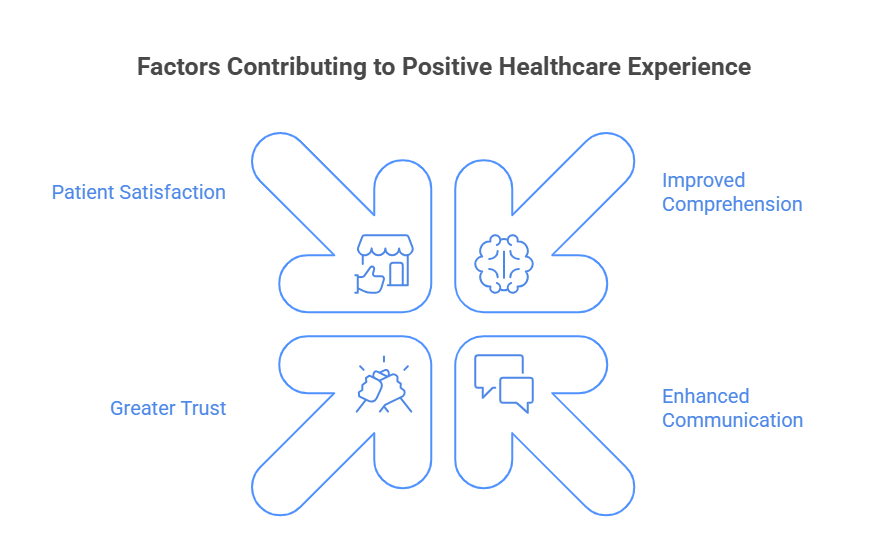
Multilingual reports fundamentally boost health literacy by making lab results understandable and relatable. This clarity creates a powerful, positive cascade: it reduces misinterpretation, helping patients follow treatment plans accurately and avoid errors.
When patients receive culturally sensitive and clear health information, their confidence and engagement soar, leading to better adherence and more proactive health management. We know that these reports improve patient understanding and health awareness. The philosophy of empowerment guiding modern platforms providing context and explanation without prescribing action is key to democratizing health knowledge.
Key benefits we see include:
- Improved comprehension of diagnoses.
- Enhanced patient-provider communication.
- Greater trust and satisfaction.
Ultimately, embracing multilingual reports reduces care gaps and contributes to improved overall patient outcomes and safety.
PATIENT JOURNEY: SUCCESS STORY
Ashwani from PharmEasy-Thyrocare confirms that the "Smart Report" ecosystem developed by NirogGyan provides a "special advantage" that effectively boosts "user-engagement... with a great ROI". This shows how clear communication translates directly into tangible business and health value.
Best Practices for Labs to Implement Multilingual Reporting
Moving to successful multilingual reports is the next great chapter in lab service. Medical labs must start by strategically identifying the most common languages spoken by their patient population. Crucially, labs won't succeed using simple online tools; it's vital to partner with professional medical translation services to ensure rigorous accuracy.
We must make a conscious effort to use plain language and culturally appropriate terminology, a core element of effective patient education and health communication. Taking these actions helps labs produce reliable, understandable reports that elevate patient comprehension and trust.
Ensuring Accuracy and Clarity in Medical Translation
Accurate, clear medical translation is non-negotiable for patient safety. We need to collaborate with professional translators who have medical expertise to navigate complex terminology and cultural nuances. Do we want to risk patient confusion because a technical term was literally translated and lost its clinical meaning?
Key practices include using standardized medical glossaries, performing thorough quality checks, and simplifying jargon. For example, translating “hypertension” as “high blood pressure” improves clarity while maintaining clinical accuracy. This rigor ensures multilingual reports effectively support health literacy and informed decision-making.
Integrating Multilingual Reports into Lab Workflows
Seamlessly integrating multilingual reports into existing medical labs workflows enhances efficiency and patient care.
| Process Flow: From Result to Patient |
| Step 1: Identify Languages |
| Step 2: Automate Translation |
| Step 3: Generate Report |
| Step 4: Quality Check & Deliver |
This integration respects linguistic diversity while improving turnaround times and patient understanding.
Leveraging Technology and Tools for Multilingual Lab Reporting
Technology is the engine streamlining multilingual reports, enhancing both accuracy and efficiency. Translation management systems (TMS) centralize content and ensure consistent terminology. AI-powered tools assist with initial translations, while professional review maintains medical translation accuracy.
NirogGyan’s approach is built on "100% automated and error-free" report generation. This is achieved through seamless "API Integration with LIS" and the strategic use of Natural Language Processing (NLP) and data visualization. By integrating these tools, language selection can be automated based on patient profiles, drastically reducing manual errors. These technological solutions are key to delivering timely, precise reports that enhance patient understanding and support effective health communication at scale.
Addressing Challenges and Overcoming Resource Constraints
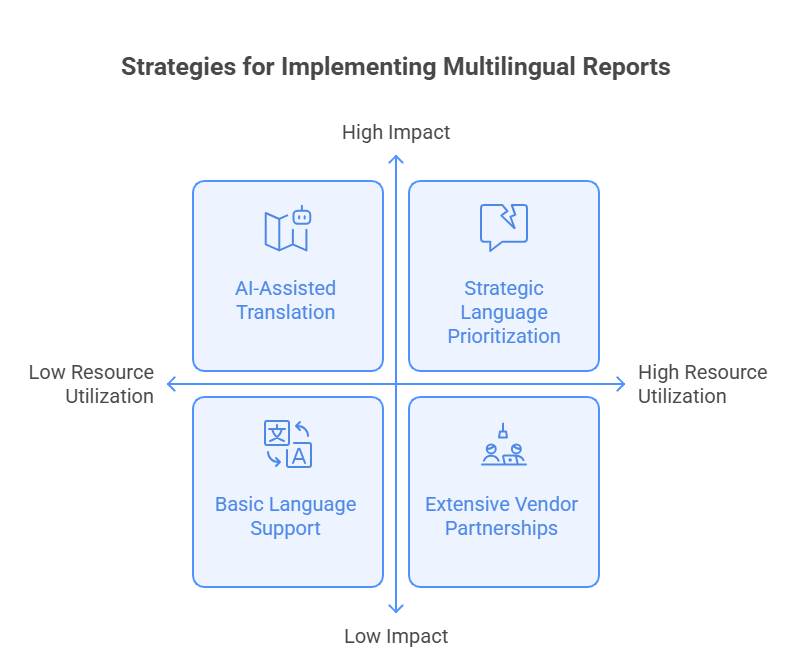
Let’s be honest: implementing robust multilingual reports isn't without hurdles. Resource limitations, particularly budget and staffing, are common barriers faced by many medical labs.
How do we overcome this? We must strategically prioritize languages based on patient demographics and leverage cost-effective technology, like AI-assisted translation, for routine content. Partnering with specialized vendors ensures quality without overwhelming our internal teams. Key strategies include prioritizing common languages and using technology wisely. By focusing our budgets strategically, we can deliver accessible reports despite these constraints.
Case Studies and Success Stories of Multilingual Lab Reporting
Real-world experience confirms the immediate, powerful impact of multilingual reports on health literacy and patient education. I’ve seen tangible evidence of success:
For example, a community hospital serving diverse populations reported a substantial 30% reduction in patient follow-up calls after introducing reports in five common languages. This freed up staff time and reduced patient anxiety. Another lab partnered with expert translators to deliver culturally sensitive reports and saw patient satisfaction scores jump by 25%. These cases underscore that tailoring languages to patient demographics and ensuring medical accuracy are critical success factors. It shows that when we make the information clear, we build trust and genuinely improve outcomes.
Conclusion: The Future of Health Literacy Promotion Through Multilingual Lab Reports
Multilingual reports represent a vital, necessary step toward equitable, patient-centered healthcare. As our communities become more diverse, medical labs must continue to champion language accessibility to boost health literacy and reduce disparities.
The future of patient education will integrate AI-driven translation with expert human review, ensuring documents are both accurate and culturally relevant. Prioritizing multilingual reports fosters deeper trust, improves patient engagement, and supports safer care. Labs that embrace these practices today won't just keep up with regulatory changes; they will lead the way in empowering all patients to understand their health, make informed decisions, and achieve better outcomes in an increasingly multilingual world.
Frequently asked questions (FAQs)
1. What are multilingual lab reports and why are they important for patients?
Multilingual lab reports provide test results in a patient’s native language, making it easier to understand medical terms and health status. They reduce misinterpretations, improve treatment adherence, and support equitable access to healthcare for diverse populations.
2. How do multilingual lab reports improve health literacy?
Multilingual lab reports boost health literacy by translating complex lab results into clear, culturally relevant language. When patients understand their reports, they can make informed decisions, follow treatment plans properly, and communicate better with healthcare providers.
3. What challenges do patients face when lab reports are not in their native language?
Patients often misinterpret medical terms, miss critical details, and feel anxious when reports are only in one language. This leads to treatment delays, poor compliance, and reduced health outcomes. Multilingual reports help eliminate these barriers.
4. How can laboratories implement multilingual reporting effectively?
Labs can implement multilingual reports by identifying common patient languages, partnering with certified medical translators, using translation management tools, and integrating language preferences into existing lab information systems for seamless workflows.
5. How does technology support multilingual lab reports in healthcare?
Technology plays a key role by enabling automated translation, glossary consistency, AI-assisted workflows, and integration with lab reporting systems. These tools help labs deliver accurate, fast, and patient-friendly multilingual reports at scale.
“Your health deserves more than numbers. Experience NirogGyan’s Smart Reports - visual, insightful, and designed to help you and your doctor act faster and smarter.”