The Future of Care Demands Smart Medical Reports. Here’s Why.
Author: Joyneel Acharya
Last Updated on: 11th July 2025
Key Highlights
- Traditional medical reports are static and often fail to reflect complex, evolving patient needs - especially in chronic or multimorbid conditions.
- Smart medical reports transform raw data into dynamic, personalized insights by integrating AI, real-time updates, patient-reported outcomes, and lifestyle data.
- Clear visualizations, predictive analytics, and mobile accessibility empower both clinicians and patients, improving engagement and long-term adherence.
- Healthcare organizations adopting smart reports benefit from faster diagnostics, reduced errors, better patient satisfaction, and improved operational efficiency.
- Case studies across AI-enabled diagnostics, national e-health programs, and mHealth adoption show measurable impact: reduced healthcare costs, improved accuracy, and better patient retention.
- Barriers such as interoperability, standardization, and resistance to workflow change must be addressed for smart healthcare adoption to succeed.
- Smart reporting is a strategic tool for delivering proactive, personalized, and scalable long-term care.
Understanding the Drawbacks of Traditional Medical Reporting
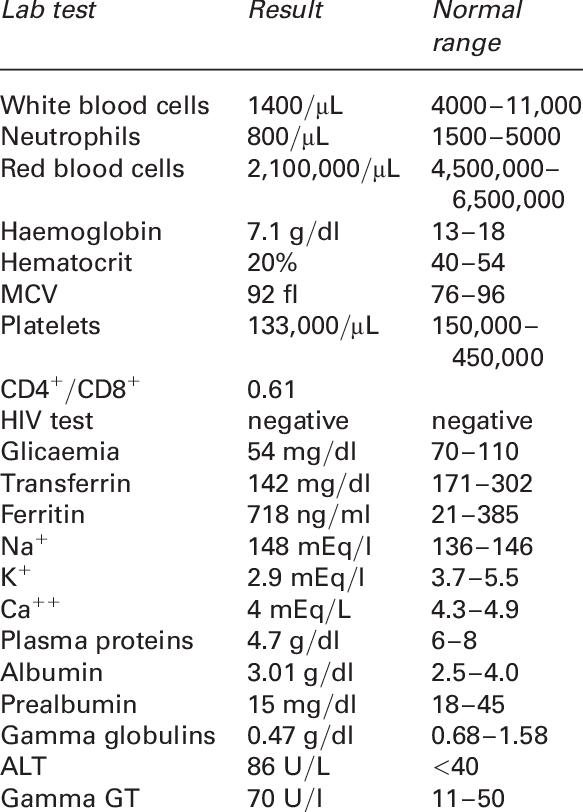
Medical reports usually summarize a patient’s medical history, diagnosis, and treatment, but often lack dynamic elements necessary for long-term care. These reports typically include structured sections such as patient demographics, clinical findings, diagnostic test results, and prescribed treatments. Their primary purpose is to communicate essential information among healthcare providers to ensure continuity of care.
Limitations of traditional medical reports:
- Absence of comprehensive longitudinal data tracking multiple chronic conditions simultaneously; patients with multimorbidity often struggle to prioritize conditions, yet traditional reports rarely reflect this complexity or treatment interactions.
- Minimal integration of patient-reported outcomes, lifestyle factors, or treatment burden.
- Lack of dynamic updates, which restricts proactive care adjustments and personalized interventions.
These drawbacks limit the report’s usefulness in managing chronic diseases that require ongoing monitoring and adjustments, and the clinicians’ ability to assess treatment effectiveness over time or adjust plans based on evolving patient needs.
This gap can increase confusion, reduce adherence, and elevate the risk of treatment drop-off.
To enhance long-term treatment outcomes, healthcare providers benefit from Smart Reports that integrate real-world patient data, ongoing patient experiences, multiple condition complexities, and support continuous updates, moving beyond the confines of traditional formats.
The Emergence of Diagnostic and Smart Medical Reports
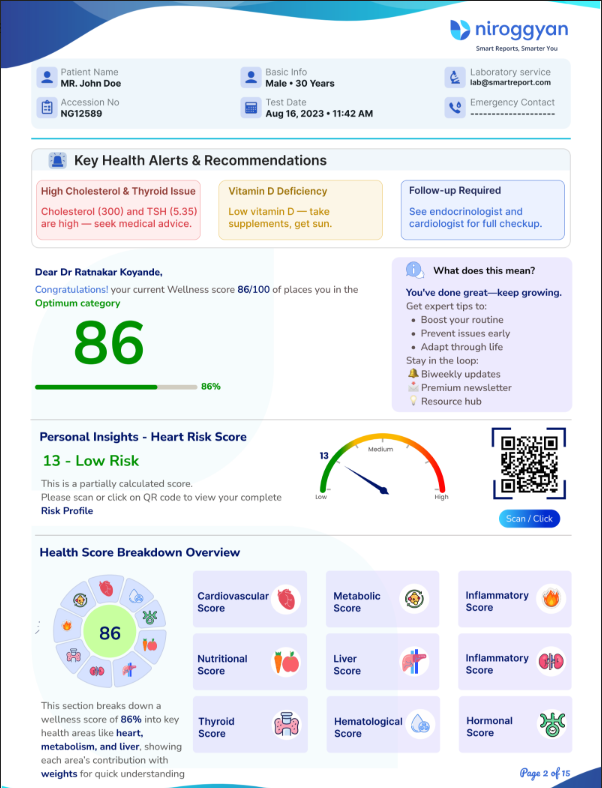
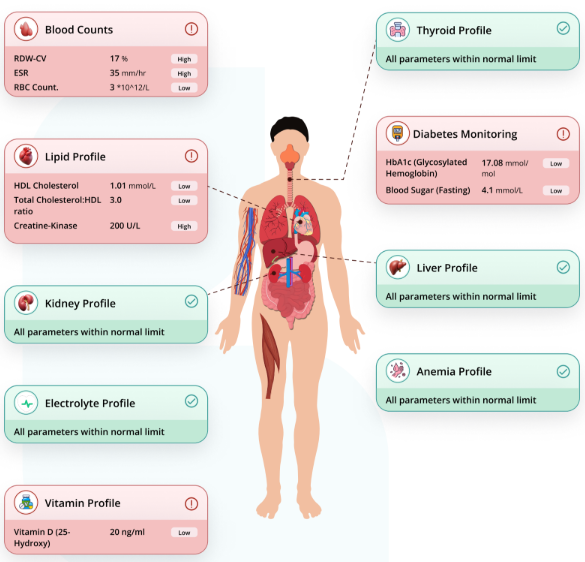
Smart diagnostic and medical reports are revolutionizing healthcare by transforming static data into dynamic, actionable insights. Unlike traditional reports that present isolated results, smart reports integrate real-time data, AI-driven analysis, and intuitive visualizations to support personalized, long-term care.
Components of a Smart Report:
- Clear charts and graphs that illustrate health trends over time
- Personalized recommendations, such as diet or medication adjustments - highlighting fluctuating test levels alongside lifestyle factors, creating a continuous feedback loop that fosters better adherence and proactive management of chronic conditions.
- Instant access and easy sharing via mobile apps or patient portals
- Integration of data from electronic health records, wearables, and patient inputs to offer a comprehensive, real-time view of health status.
- AI and Automation: predictive analytics to enable proactive interventions and improve long-term outcomes, and automation that streamlines report generation and interpretation, cutting turnaround times and minimizing errors.
Laboratories and healthcare providers benefit from ease of adoption (little to no training required) and improved operational efficiency through automated data integration and AI-assisted diagnostics, reducing errors and turnaround times. Embracing smart medical reports is a strategic move to enhance patient satisfaction, reduce drop-off, and drive innovation.
Impact on Patient Engagement and Treatment Adherence

When patients receive clear, comprehensive, and contextualized medical information, they are more empowered to participate actively in their care. This mutual understanding fosters trust and accountability between patients and healthcare providers, improving adherence to prescribed regimens.
Smart, interactive reports that integrate longitudinal data and patient-reported outcomes help patients understand the importance of consistent treatment, especially for chronic conditions.
Patient engagement and adherence improves with:
- Transparent communication of treatment goals and progress
- Inclusion of patient preferences and lifestyle considerations
- Regular updates that reflect real-world adherence challenges
For example, asthma patients informed about the necessity of daily inhaled corticosteroids, even when asymptomatic, show higher adherence rates. Encouraging patient-provider concordance on care plans further boosts commitment to treatment.
Business Implications for Healthcare Decision Makers
Adopting smart medical reports offers healthcare decision makers a strategic advantage by improving patient retention, operational efficiency, and innovation capacity. Smart reports address the challenges of higher cost and lower care quality by enabling personalized, proactive, automated, scalable, data-driven care that fosters patient engagement and adherence.
Case Examples Demonstrating the Impact of Advanced Medical Reporting
AI in Healthcare: Transforming Practice (PubMed Central)
An in-depth review of recent AI breakthroughs in medicine, offering a structured roadmap for building safe, reliable, and effective AI systems.
Key takeaways:
- Transformative potential: AI can revolutionize diagnostics, treatment planning, and operational workflows.
- Roadmap essentials: Emphasizes data quality, regulatory compliance, and cross-disciplinary collaboration for trustworthy AI.
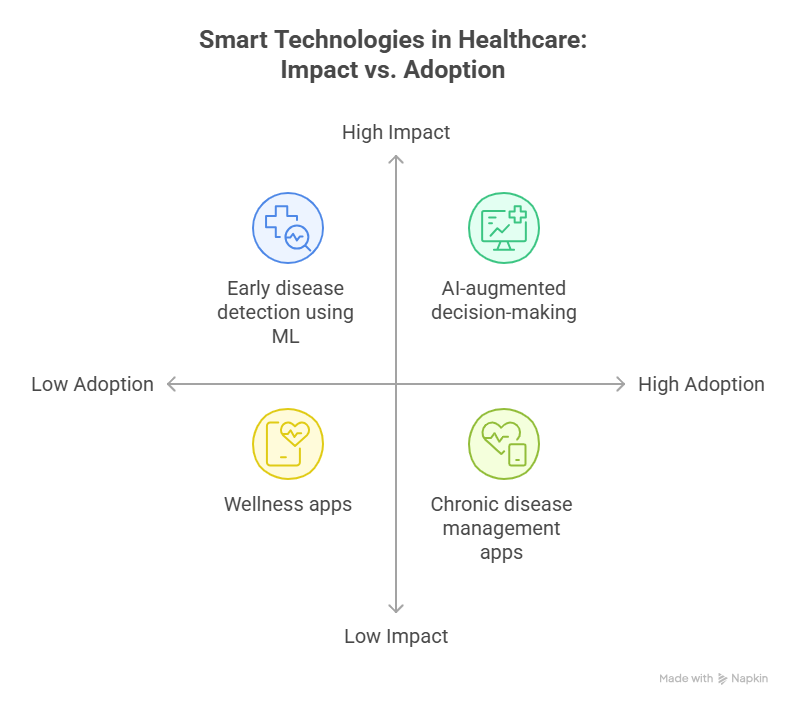
- Future outlook: Predicts growth in AI-augmented decision-making and personalized care models.
Scaling National e‑Health (McKinsey)
A three-phase framework for rolling out national e-health systems effectively, drawing on global case studies.
Key takeaways:
- Phase 1 - Setup: Secure stakeholder buy-in and show clear problem-solving benefits.
- Phase 2 - Scale-up: Ensure integration with existing systems, and bolster change-management and communication.
- Phase 3 - Enhancing benefits: Expand services (e.g., telemedicine, analytics), build ecosystems, and iterate based on feedback.
Value potential: Fully adopting 26 digital technologies could yield 8-12% savings in national healthcare spend - majority benefiting hubs like hospitals.
Patient Adoption of mHealth (IQVIA)
Comprehensive analysis of mobile health (mHealth) app adoption rates, usage patterns, and associated cost savings.
Key takeaways:
- App proliferation: Over 300,000 health apps exist, but 85% have under 5,000 downloads.
- Condition-centric shift: Wellness apps dominate, though chronic disease management apps are rising to ~40-47% of the total.
- Download concentration: 41 apps capture half of all download volume - indicating high market concentration.
- Cost impact: Use of top 5 apps in key areas could save $7 bn annually in the U.S., scaling up to $46 bn across all conditions.
Smart Medical Report with Blood Tests (Frontiers Digital Health, 2024)
Validation of an AI diagnostic tool that uses routine blood tests and machine learning to detect both common and rare diseases.
Key takeaways:
- Innovative approach: Uses common and low-cost blood biomarkers combined with ML for early disease detection.
- Clinical promise: Demonstrated accurate, early identification of chronic, acute, and rare disorders - suggesting utility in triage and clinical decision support.
Challenges in Smart Healthcare Adoption (ScienceDirect)
Explores technological, organizational, and environmental (TOE) barriers to adopting smart healthcare strategies.
Key takeaways:
- TOE framework: Adoption is influenced by tech readiness, internal organizational capabilities, and external pressures/regulations.
- Core challenges: Include interoperability gaps, lack of standardization, data privacy & security concerns, and resistance to workflow change.
These examples highlight how adopting smart reporting systems can transform long-term care (if implemented tactfully) by supporting proactive interventions and fostering sustained patient adherence.
The Future of Medical Reporting in Long-Term Care
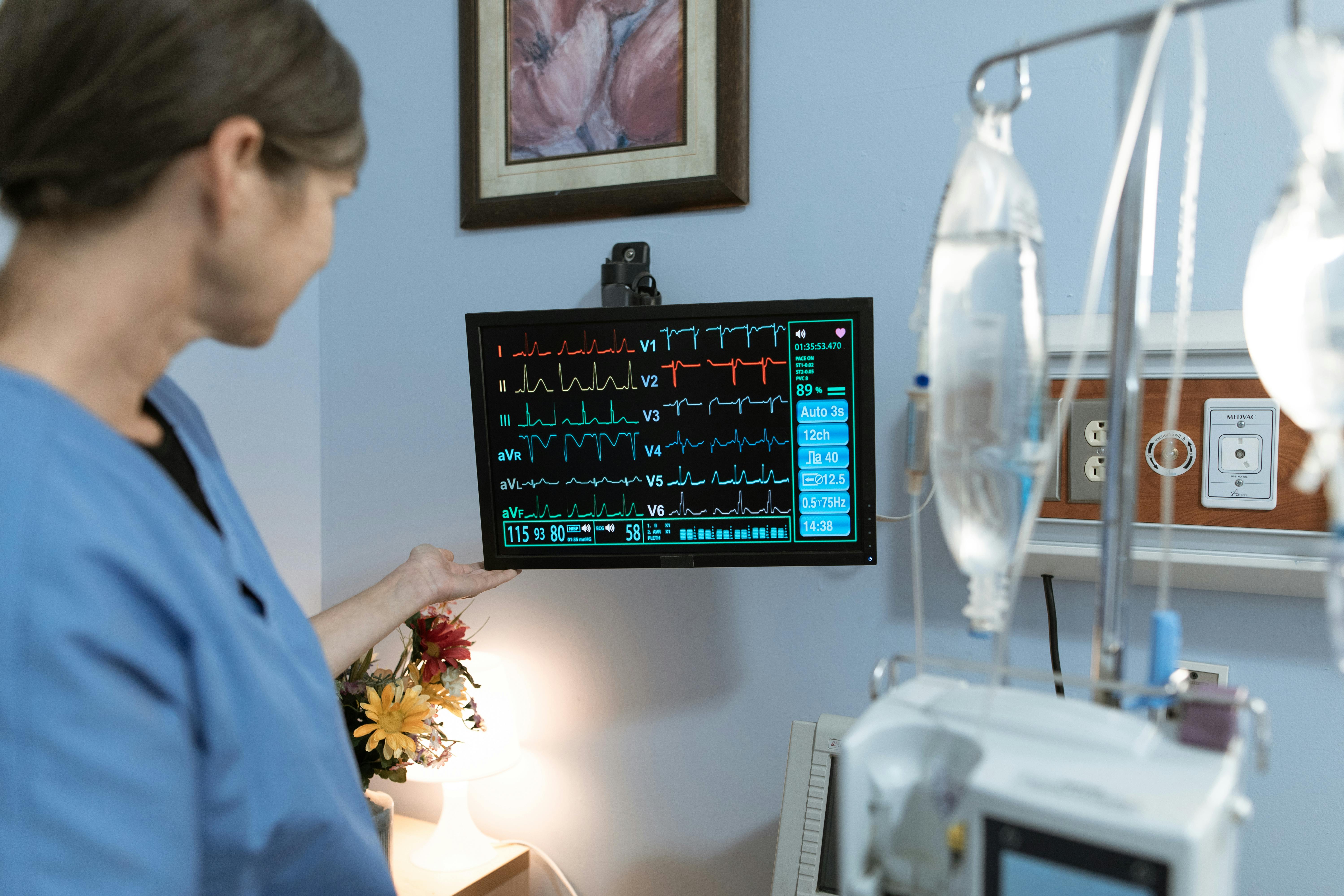
As healthcare shifts from episodic interventions to connected, personalized care, smart reporting systems will play a pivotal role in improving patient outcomes and operational efficiency.
Ethical frameworks ensuring data security, transparency, privacy, and patient-centric use of AI and automation are paramount to implementing these solutions in the best way possible.
The evolution of medical reporting is essential for meeting the complex demands of chronic disease management and delivering truly personalized long-term care.
FAQs (Frequently Asked Questions)
1. What is the difference between a traditional medical report and a smart medical report?
Traditional medical reports are static documents summarizing a patient’s history, test results, and treatments. They typically lack longitudinal data, real-time updates, or patient input.Smart medical reports, on the other hand, integrate AI, dynamic data visualization, patient-reported outcomes, and real-world data (e.g., wearables, lifestyle inputs), enabling personalized, up-to-date insights that support long-term care planning.
2. Why are traditional medical reports insufficient for managing chronic or complex conditions?
Chronic conditions often require frequent monitoring, treatment adjustments, and consideration of lifestyle factors or co-existing illnesses. Traditional reports don’t reflect changes over time, fail to prioritize among multiple conditions, and rarely incorporate the patient’s perspective - making them inadequate for long-term disease management and personalized care.
3. How do smart reports improve patient adherence and engagement?
Smart reports present medical information in a clear, contextualized, and interactive format - often with graphs, personalized alerts, and progress tracking. When patients understand their health trends and how their actions impact outcomes, they’re more likely to stick to treatment plans and stay engaged in their care journey.
4. What are the key technologies behind smart medical reports?
Smart reports leverage technologies such as AI and machine learning for predictive analytics, electronic health record (EHR) integration for comprehensive data access, wearable integration for real-time monitoring, and mobile platforms for ease of access and sharing. Automation also reduces manual errors and accelerates report generation.
5. What challenges should healthcare providers consider before adopting smart reporting systems?
Key challenges include data interoperability, ensuring patient privacy and data security, resistance to workflow change, and initial costs of system integration. However, these can be mitigated through phased implementation, proper training, and choosing interoperable, standards-compliant platforms.