Lab Information Systems Fail Patients: Why Traditional Models Fall Short
Author: Joyneel Acharya
Last Updated On: 29th August 2025
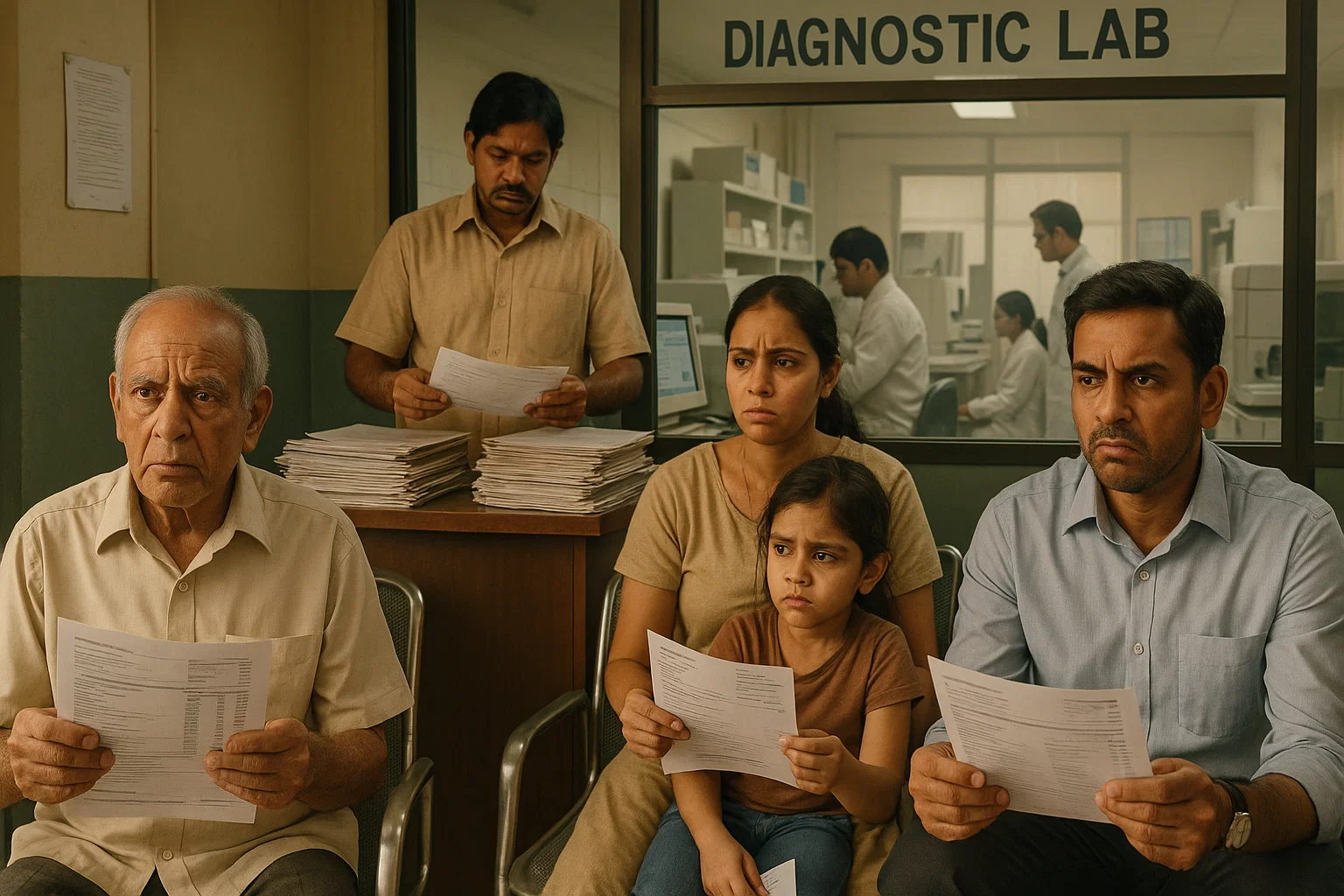
Healthcare administrators often struggle with balancing rigorous internal operational efficiency with evolving patient expectations for transparency and immediate access. Traditional Lab Information Systems (LIS) often fall short in addressing patient needs due to their design focus on laboratory operations rather than the end-user experience. While these systems excel at managing samples and ensuring lab accuracy, they typically lack features that empower patients directly. Common issues include limited patient access to real-time results, poor communication channels between patients and providers, and complex interfaces not designed for non-experts.
For example, patients frequently face delays in receiving their test results or must navigate multiple platforms to get updates, leading to significant frustration and decreased trust in healthcare services. To truly benefit patients and align with modern healthcare demands, LIS must evolve beyond internal lab management and integrate accessible, user-friendly digital tools that prioritise timely, transparent communication. This is precisely where platforms like NirogGyan step in, aiming to bridge this gap with comprehensive digital health solutions.
Key Takeaways
- Traditional Lab Information Systems (LIS) historically prioritised laboratory workflow efficiency over patient experience, resulting in limited patient access to real-time results and poor communication. This fundamental design choice often led to fragmented care and patient frustration.
- LIS primarily manage internal lab operations like sample tracking, test order routing, and quality control, but typically lack user-friendly interfaces and timely result delivery mechanisms for patients.
- Common challenges include delayed test result delivery, data silos, manual data entry errors, and inadequate communication channels that hinder effective patient-provider interactions.
- The absence of patient-centric design features—such as intuitive navigation, seamless integration with patient portals, and personalised dashboards—leads to patient confusion and decreased trust.
- These limitations contribute to increased patient anxiety, and delays in crucial treatment decisions due to incomplete or inaccessible health information.
- Modernising LIS with robust interoperability, automation, and patient engagement tools is essential to enhance transparency, ensure timely communication, and significantly improve overall patient satisfaction, aligning with a vision for comprehensive digital healthcare like NirogGyan’s.
Understanding Traditional Lab Information Systems (LIS)

Traditional Lab Information Systems (LIS) serve as the backbone for managing laboratory workflows but historically focused primarily on internal lab operations rather than direct patient interaction. These systems handle critical tasks such as sample tracking, test order management, and secure result recording, ensuring accuracy and compliance within clinical laboratories.
Key functions of a traditional LIS include:
- Receiving and routing test orders to analysers.
- Recording and storing test results securely.
- Managing quality control processes.
- Transmitting finalised results to electronic health records (EHRs).
While LIS streamline lab efficiency, their patient-facing capabilities are often limited. They rarely offer real-time result access or intuitive interfaces for patients, significantly contributing to communication gaps. Understanding this operational focus helps explain why traditional LIS often fall short in enhancing the patient experience, despite their indispensable role in laboratory science.
Common Challenges of Traditional LIS Impacting Patients
Traditional Lab Information Systems often create operational barriers that negatively affect patient care and experience. Healthcare administrators grappling with legacy systems understand that while these systems are robust for lab processes, they hinder the seamless, patient-centric flow of information crucial in modern healthcare.
These systems are primarily designed for lab efficiency, leading to several patient-centric challenges:
- Delayed result delivery due to manual processing and outdated workflows, causing anxiety and uncertainty for patients.
- Limited patient access to timely updates, preventing proactive health management.
- Poor communication channels that hinder clear provider-patient interactions and result explanations.
- Data silos restricting seamless information sharing across various healthcare platforms, increasing administrative burden.
- Vulnerability to errors stemming from manual data entry and system downtimes, impacting accuracy and trust.
For example, patients may wait days for critical test results or receive incomplete information, directly impacting timely treatment decisions and their peace of mind. Addressing these challenges requires strategic LIS modernisation, focused on interoperability, automation, and powerful patient engagement tools, precisely what NirogGyan aims to deliver through its integrated digital platform.
Key Takeaway: The core problem is a systemic disconnect between efficient lab operations and the patient's need for timely, transparent, and understandable health information, eroding trust and slowing critical care decisions.
Lack of Patient-Centric Design in Traditional LIS
Traditional Lab Information Systems often overlook the patient’s perspective, focusing instead on internal lab workflows and data management. This lack of patient-centric design means these systems rarely provide intuitive interfaces or timely access to test results for patients. Without features like personalised dashboards, clear explanations, and multilingual support, patients struggle to understand their health data, leading to confusion and frustration.
Common shortcomings include:
- Complex navigation that confuses non-expert users, requiring assistance from healthcare staff.
- Minimal integration with modern patient portals or mobile applications, creating fragmented experiences.
- Insufficient support for patient feedback and engagement mechanisms, making it difficult to improve services based on user needs.
For example, a patient receiving a critical lab result may face delays or unclear communication, increasing anxiety and potentially leading to misinterpretation. To overcome this, healthcare providers must adopt systems that prioritise the patient journey. NirogGyan’s platform, with its user-friendly interface and mobile application, is designed for ease of navigation, aiming to lower barriers to entry for digital health services across India.
Data Silos and Interoperability Issues
Data silos in traditional Lab Information Systems create major barriers to seamless healthcare communication and patient care. These isolated data pockets prevent efficient sharing of lab results and patient information across different systems, causing delays and errors. For example, test results may exist in multiple formats across disconnected platforms, leading to inconsistencies and confusion that can directly impact patient safety and operational efficiency.
Common problems caused by data silos include:
- Delayed delivery of critical lab results to patients and providers, hindering timely medical interventions.
- Manual data entry, significantly increasing the risk of human errors and administrative overhead.
- Inability to integrate lab data with electronic health records (EHRs) or modern patient portals, leading to incomplete patient profiles.
Breaking down these silos through interoperable systems enables real-time data sharing, improves accuracy, and significantly enhances patient engagement by providing timely access to their health information. ROI becomes clear when you consider the reduction in duplicated tests, fewer administrative errors, and improved patient outcomes achieved through a truly integrated system.
Inadequate Communication and Result Delivery
Poor communication and delayed result delivery remain critical flaws in traditional Lab Information Systems, directly impacting patient safety and satisfaction. When test results are not promptly or clearly communicated, patients face uncertainty and potential harm due to delayed treatment decisions. Studies show communication failures contribute to 50–70% of adverse healthcare outcomes, highlighting the severity of this issue.
Common communication breakdowns include:
- Results delivered late or through confusing, non-standardised channels.
- Lack of direct patient access to their lab data, forcing them to rely on intermediaries.
- Insufficient clarity in explaining test implications, leading to anxiety and misinterpretation.
Improving these areas requires integrating patient portals that provide secure, real-time access to results and enable two-way communication with providers. NirogGyan addresses this by offering diagnostic test bookings with NABL-accredited labs and the added convenience of home sample collection, streamlining the process and reducing patient burden. Their platform aims to be a primary information resource, fostering better communication and health literacy.
The Impact of LIS Limitations on Patient Experience
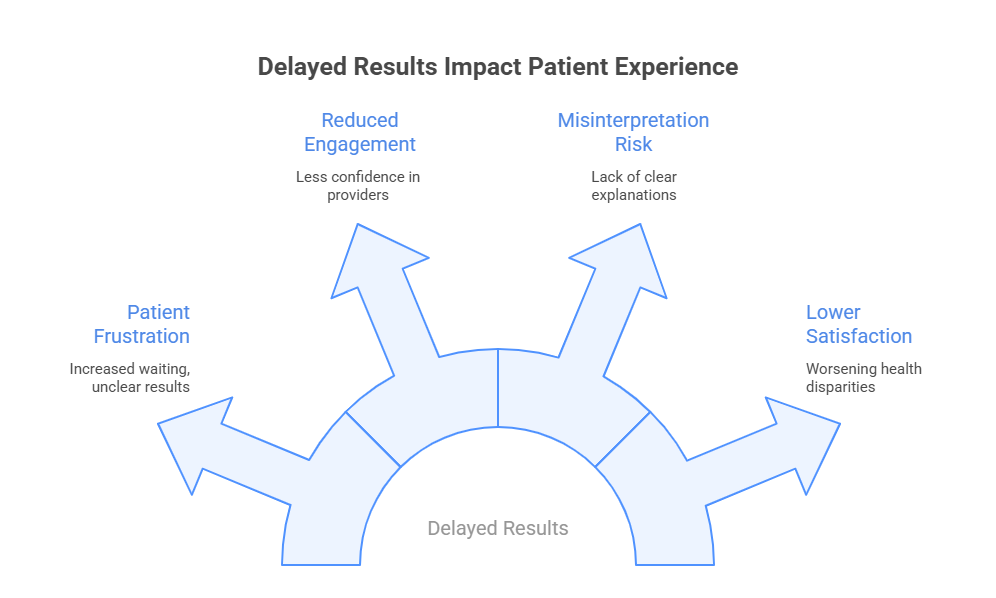
Limitations in traditional Lab Information Systems directly diminish patient satisfaction and trust, affecting overall healthcare outcomes. When LIS fail to provide timely, clear, and accessible lab results, patients experience anxiety, confusion, and delays in treatment decisions. This is especially critical for patients with language barriers or low health literacy, who require straightforward communication and support.
Key impacts include:
- Increased waiting times and frustration due to delayed or unclear results, leading to negative patient feedback.
- Reduced patient engagement and confidence in healthcare providers and the system.
- Higher risk of misinterpretation without patient-friendly result explanations and educational content.
- Lower satisfaction among vulnerable populations, potentially worsening health disparities.
Estimated ROI from Patient-Centric LIS Improvement
| Metric | Traditional LIS Impact | Improved LIS Impact (NirogGyan-like) | Annual Cost/Benefit (Estimated) |
| Patient Satisfaction | Low, high frustration | High, increased trust | +£50,000 (reduced complaints) |
| Treatment Delays | Frequent, adverse outcomes | Reduced, timely care | +£100,000 (better health outcomes) |
| Administrative Burden | High, manual follow-ups | Low, automated communication | -£75,000 (staff time savings) |
| Reputational Risk | Significant, public distrust | Mitigated, enhanced brand | Intangible, but critical |
Addressing these LIS shortcomings by integrating real-time result access, comprehensive language support (as NirogGyan aims to expand), and intuitive interfaces can significantly improve patient experience and build sustained trust.
How Modern Healthcare Technology is Transforming LIS
Modern healthcare technology is revolutionising Lab Information Systems (LIS) by enhancing efficiency, accuracy, and patient engagement. Innovations like artificial intelligence (AI), automation, and cloud computing enable faster data processing and significantly reduce human errors. AI-powered analytics help labs identify patterns and predict outcomes, improving diagnostic precision.
That's why our comprehensive digital health platform at NirogGyan is designed to harness these advancements, actively breaking down the barriers of traditional systems. Our approach, like a modern LIMS, is about creating an integrated, patient-first ecosystem.
Key transformations include:
- Real-time result delivery through secure, cloud-based platforms, accessible anywhere.
- Seamless interoperability with electronic health records (EHRs) and other digital health tools.
- Automated workflows reducing manual data entry and accelerating lab processes.
- Enhanced patient portals offering intuitive result access and direct communication channels.
For example, automation speeds up sample processing for diagnostics booked through NirogGyan, while our AI-powered tools provide preliminary symptom assessment and personalised health recommendations, aiming to flag anomalies for faster review and guidance. These advances break down data silos and empower patients with timely, understandable health information, ultimately improving care outcomes.
Role of Digital Health Solutions in Enhancing Patient Experience
Digital health solutions are pivotal in transforming patient experience by making healthcare more accessible, transparent, and personalised. Healthcare administrators understand that leveraging these technologies is no longer an option but a strategic imperative. These solutions empower patients with real-time access to their medical records, lab results, and appointment scheduling through user-friendly patient portals and mobile apps. This immediate access reduces anxiety and fosters trust by keeping patients informed and engaged.
NirogGyan's Digital Platform vs. Traditional LIS Patient Access
| Feature | Traditional LIS Patient Access | NirogGyan's Digital Platform | Rationale/Benefit |
| Result Delivery | Delayed, indirect, physical | Real-time, direct to app/web | Reduces anxiety, accelerates action. |
| Accessibility | Limited, requires follow-up | 24/7 via app/web, remote access | Empowers patients, especially in remote areas. |
| Information Clarity | Often technical, confusing | User-friendly, educational content | Enhances health literacy, informed decisions. |
| Communication | Fragmented, one-way | Secure, direct with providers | Builds trust, enables timely queries. |
| Service Integration | Lab-specific, isolated | Consultations, diagnostics, wellness | Holistic care journey. |
Integration and Interoperability Improvements
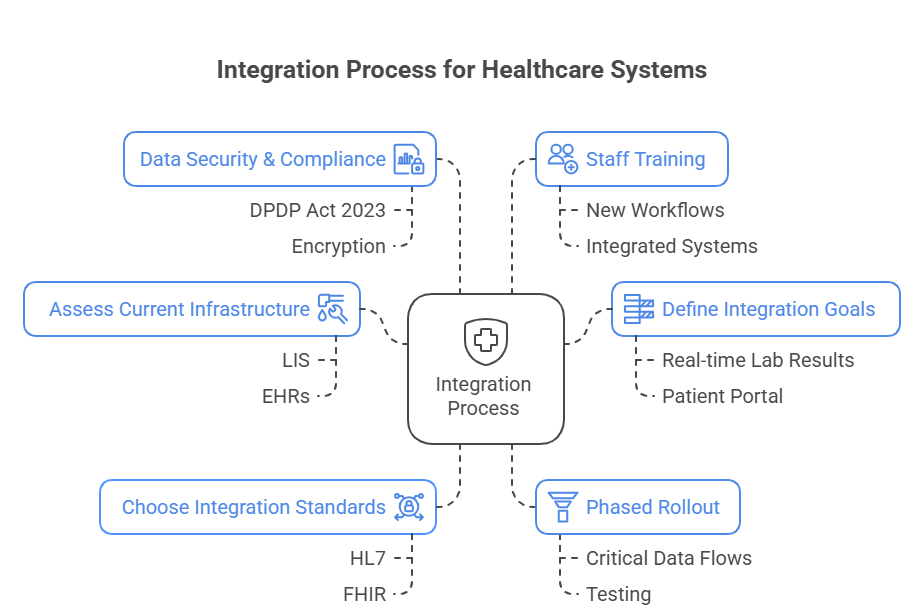
Modern LIS advancements focus heavily on integration and interoperability to break down data silos and streamline healthcare workflows. By enabling seamless data exchange between labs, EHRs, patient portals, and other healthcare systems, these improvements ensure that critical lab results reach patients and providers faster and more accurately. This integration is vital for the "end-to-end digital health ecosystem" that NirogGyan aspires to build, covering the entire patient journey from symptom assessment to consultation, diagnosis, and medication.
Key benefits of enhanced integration include:
- Real-time sharing of lab data across all relevant platforms, ensuring a unified patient record.
- Reduced manual data entry and associated errors, boosting efficiency and accuracy.
- Automated updates to patient records and provider systems, saving time and resources.
- Improved coordination between labs, clinics, and pharmacies, ensuring holistic care.
For example, modern APIs allow LIS to connect effortlessly with third-party applications, while barcode and RFID technologies improve sample tracking accuracy. These interoperability advances not only boost lab efficiency but also empower patients with timely, accessible health information.
Practical Implementation Guide for Integration:
- Assess Current Infrastructure: Identify existing LIS, EHRs, and digital tools, noting their capabilities and limitations.
- Define Integration Goals: Clearly articulate what data needs to flow between systems and for what purpose (e.g., real-time lab results to patient portal).
- Choose Integration Standards: Prioritise industry standards like HL7, FHIR, and API-based integrations for robust and scalable solutions.
- Phased Rollout: Implement integration in stages, starting with critical data flows, testing thoroughly at each step to minimise disruption.
- Data Security & Compliance: Ensure all integrations adhere strictly to data protection regulations (e.g., India's DPDP Act 2023) and robust encryption. NirogGyan states adherence to these, though independent verification is crucial.
- Staff Training: Provide comprehensive training for all users on new workflows and integrated systems to maximise adoption and efficiency.
Lab Information Management Systems (LIMS) vs Traditional LIS: A Patient-Centric Approach
The perception that traditional LIS are inherently patient-centric, while LIMS are for operational management, needs recalibration in the modern context. While traditional LIS focus on individual test results and clinical workflows, their delivery mechanisms often fail patients. LIMS, historically serving research and quality control, prioritise sample and operational management. However, the future lies in an approach that integrates the best of both: the clinical focus of LIS with the operational efficiency and advanced data management of LIMS, all delivered with a patient-centric digital interface.
Modern Patient-Centric Lab Data Systems (blending LIS/LIMS principles)
| Feature | Traditional LIS | LIMS (Operational Focus) | Modern Patient-Centric Approach (NirogGyan's Vision) |
| Primary Focus | Individual patient results, clinical workflows | Sample batch tracking, lab operations | Holistic patient journey, efficient operations, direct patient access |
| Patient Access | Limited, indirect, often delayed | Primarily internal lab communication | Direct, real-time result delivery via intuitive portals/apps |
| Use Case | Clinical diagnostic laboratories | Research, testing, quality control labs | Clinical diagnostics, wellness, public health, remote care |
| Patient Communication | Integrated with EHRs, but often one-way | Primarily internal lab communication | Integrated with EHRs, patient portals for two-way, clear communication |
For patient-centric care, modern systems must excel by providing timely, personalised results and clear communication. Integrating LIMS capabilities such as enhanced data analytics and operational efficiency into a patient-focused LIS framework, as NirogGyan aims to do with its NABL-accredited lab tie-ups and comprehensive digital offerings, can significantly improve overall lab performance without sacrificing patient focus.
Conclusion: Moving Towards Patient-Centered Lab Information Systems
The future of Lab Information Systems lies in fully embracing patient-centered design, where technology empowers patients through timely access, clear communication, and seamless integration. Healthcare administrators, seeing the clear ROI from improved patient satisfaction and operational efficiencies, recognise that this shift is imperative. Modern LIS must evolve from mere data repositories into proactive systems of action that automate workflows, enhance interoperability, and deliver real-time, understandable results directly to patients.
ROI becomes clear when you consider not only the cost savings from reduced errors and administrative burden but also the intangible, yet invaluable, asset of patient trust and loyalty.
Key steps to achieve this include:
- Prioritising intuitive, patient-friendly interfaces designed for ease of navigation.
- Integrating AI to flag critical results, offer preliminary symptom assessment, and suggest next steps (with clear disclaimers for accuracy limitations).
- Ensuring seamless data exchange across all healthcare platforms to create a unified view of patient health.
- Expanding digital health tools like secure patient portals, online consultations, and home diagnostic services to maximise accessibility.
NirogGyan's vision for an accessible, affordable, and high-quality digital healthcare solution directly aligns with this future. By focusing on these areas, healthcare providers can reduce delays, minimise errors, and foster trust, ultimately improving patient outcomes and satisfaction in laboratory testing. Our commitment at NirogGyan is to be your strategic partner in this transformation, turning operational challenges into opportunities for unparalleled patient care.
Frequently asked questions (FAQs)
1. Why do traditional lab information systems fail to meet patient needs?
Traditional lab information systems (LIS) are primarily designed to optimise laboratory workflows and manage internal processes rather than focusing on the patient's experience. This results in limited real-time access to test results, poor communication channels, and interfaces that are not user-friendly for patients. Consequently, patients often face delays, confusion, and lack of transparency regarding their lab results.
2. How does the lack of patient-centric design in LIS affect patient experience?
Without patient-centric design, LIS fail to provide intuitive interfaces, timely updates, and clear communication tailored to patients. This leads to frustration, anxiety, and decreased trust in healthcare providers. Patients may struggle to access or understand their results, which can hinder timely treatment decisions and negatively impact overall satisfaction.
3. What are the common challenges patients face with traditional lab information systems?
Common challenges include delayed delivery of test results, limited access to real-time information, data silos that prevent seamless sharing of information, poor communication between labs and patients, and lack of integration with digital health tools like patient portals. These issues contribute to a fragmented and unsatisfactory patient experience.
4. How can healthcare technology improve the effectiveness of lab information systems for patients?
Healthcare technology can enhance LIS by enabling real-time data access, automating workflows to reduce delays and errors, improving interoperability between systems, and integrating patient portals for direct communication. Advanced tools like AI and cloud computing also help in delivering personalised and timely information, thereby improving patient engagement and satisfaction.
5. What role do patient portals play in enhancing patient experience with lab information systems?
Patient portals serve as a direct communication channel between patients and healthcare providers, offering secure, real-time access to lab results, appointment scheduling, and personalised health information. They empower patients by providing transparency, improving accessibility, and facilitating timely interactions, which significantly enhance the overall patient experience.
"Your wellness matters. Dive into NirogGyan’s smart health tools and start improving your life today!"