Author: Joyneel Acharya
Last Updated On: 5th November 2025
Key Takeaways
- AI-powered diagnostic scanners are at the forefront of transforming labs in 2026, combining advanced imaging with machine learning to boost accuracy and speed in diagnostics.
- Innovations such as digital pathology systems, automated sample processors, and wearable biosensors streamline workflows, reduce errors, and improve patient outcomes through seamless integration with Laboratory Information Management Systems (LIMS).
- The evolving diagnostic landscape incorporates cutting-edge technologies like CRISPR-based diagnostics, liquid biopsies, and lab-on-a-chip devices, enabling faster, more precise testing and addressing challenges in cost, accuracy, and regulatory compliance.
- Selecting transformative medical devices requires prioritizing accuracy, reliability, system compatibility, cost-effectiveness, user-friendliness, and adherence to healthcare regulations to ensure smooth adoption and sustained diagnostic efficiency.
- Automated lab equipment, including robotics and automated liquid handlers, enhances workflow efficiency by minimizing manual tasks, reducing errors, and enabling continuous high-throughput processing with precise timing.
- Advanced diagnostic scanners leverage AI-driven image analysis, real-time data interpretation, and enhanced 3D imaging to detect subtle abnormalities faster, empowering labs to deliver reliable and timely diagnoses.
The Evolving Landscape of Diagnostic Labs and Medical Technology
Let's be honest, the future of healthcare rests squarely on the shoulders of diagnostic labs. What's leading the charge? AI-powered diagnostic scanners, without a doubt. I've seen firsthand how combining advanced imaging with machine learning completely boosts accuracy and speed in diagnostics. And it’s not just scanners. Innovations such as digital pathology systems, automated sample processors, and even wearable biosensors are streamlining workflows.
These cutting-edge medical devices are now seamlessly integrated with Laboratory Information Management Systems (LIMS), reducing errors and improving patient outcomes. We're also seeing technologies like CRISPR-based diagnostics and liquid biopsies enabling testing that's faster and more precise than we ever thought possible. Crucially, for efficient healthcare technology, all this needs to integrate seamlessly to enhance data sharing and workflow. When we adopt these advancements, we’re not just addressing challenges in accuracy and cost; we're empowering diagnostic labs to truly improve patient outcomes. It's exciting to think about how complex healthcare demands are being met head-on!
Key Criteria for Selecting Transformative Medical Devices in Diagnostic Labs
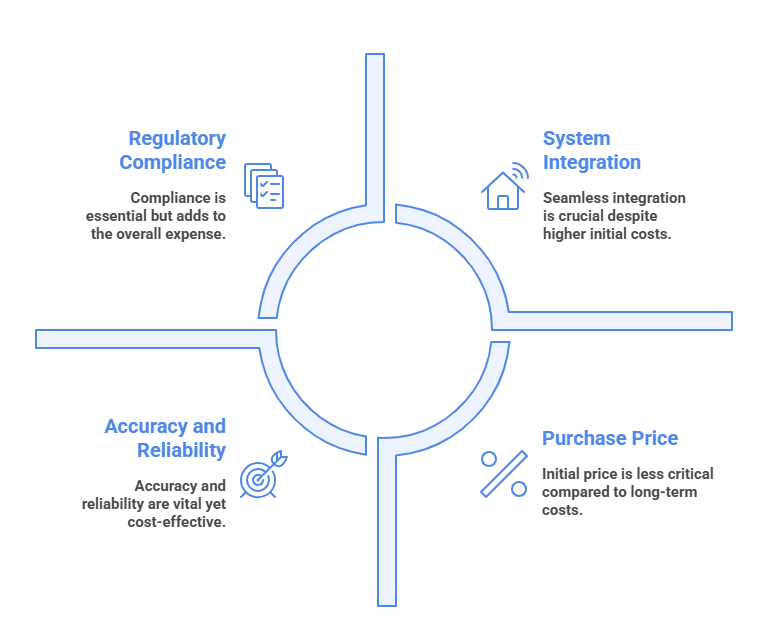
If we’re investing in new diagnostic tools, what truly matters? Accuracy, reliability, and integration capabilities are absolutely paramount when choosing new medical instruments.
In my experience, labs often overlook system compatibility. Do we really want precise results if the new lab equipment can’t talk to our existing LIMS? Of course not! We need seamless integration.
And yes, budget is a factor, but we shouldn't just look at the purchase price. Remember to consider the total cost of ownership that’s the purchase price, maintenance, and consumables. Additionally, user-friendliness and regulatory compliance aren’t just footnotes; they ensure smooth adoption and long-term viability, dramatically enhancing our diagnostic efficiency.
Top 10 Medical Devices Revolutionizing Diagnostic Labs in 2026
This is the main event! Next-generation AI-powered diagnostic scanners are seriously transforming how our labs work with speed and precision we haven't seen before. They mix advanced imaging, automated processing, and real-time data analysis to boost diagnostic accuracy. We’re seeing a shift toward remote patient monitoring and digital pathology platforms. Imagine if your lab could benefit from seamless LIMS integration, resulting in fewer errors and much faster turnaround times. It's all about improving patient outcomes in this quickly changing healthcare landscape of 2026.
1. Advanced Diagnostic Scanners Enhancing Imaging Precision
These aren't your grandpa's X-rays! Advanced diagnostic scanners are leveraging AI and high-resolution medical imaging to dramatically improve our diagnostic accuracy. They use machine learning algorithms combined with enhanced sensor technologies, making the precise detection of subtle abnormalities possible. Think about it: AI-driven image analysis and real-time data interpretation. These features empower labs to deliver faster, more reliable diagnoses using cutting-edge diagnostic devices.
2. Automated Lab Equipment Streamlining Workflow Efficiency
Let’s talk efficiency. Automated lab equipment is a game-changer for workflow efficiency because it minimizes manual tasks and the associated errors. Robotics and automated liquid handlers enable continuous, high-throughput sample processing with incredible precision. I've seen automation platforms, like Biosero’s Green Button Go, completely orchestrate complex workflows, helping labs maximize productivity while keeping results consistent. Who doesn't want reduced human error and extended operational hours? That’s what smart lab automation provides.
3. Digital Pathology Systems for Enhanced Diagnostic Accuracy
Digital pathology systems are revolutionizing things by turning old-school glass slides into stunning, high-resolution digital images. This change enables quicker, more accurate analysis, especially crucial for tough diagnoses like cancer. Integrating AI and machine learning boosts this precision even further. For instance, a system like PathGroup’s network of digital scanners accelerates collaboration and accuracy, proving that these medical technology innovations reduce turnaround times and enhance patient outcomes across diagnostic labs. Rapid remote consultations? Reduced diagnostic variability? Yes, please!
4. Smart Medical Instruments with AI-Powered Analytics
We're moving beyond basic tools to truly smart medical instruments. Equipped with AI-powered analytics, these diagnostic devices deliver rapid, data-driven insights. They analyze complex patient data in real time, which helps us develop personalized treatment plans and catch diseases earlier. Enhanced accuracy and predictive capabilities are key benefits. Philips’ IntelliSpace Portal, for example, shows how AI analytics drastically improves clinical workflows and decision-making, optimizing patient outcomes using sophisticated healthcare technology.
5. Portable Diagnostic Devices for Point-of-Care Testing
Why wait for the lab? Portable diagnostic devices bring the testing to the patient, boosting comfort and care efficiency. Think about portable ultrasounds or blood analyzers; they're perfect for remote or emergency situations. These compact diagnostic devices require minimal sample volume and dramatically cut turnaround times, facilitating earlier diagnosis. The mobility and fast, accurate results make this medical technology essential for extending our diagnostic tools beyond the traditional walls.
6. Cardiac Assist Devices Supporting Cardiovascular Diagnostics
While often associated with treatment, cardiac assist devices are increasingly vital for diagnostics. Devices like ventricular assist devices (VADs) help failing hearts, enabling accurate, ongoing assessment of cardiac performance. Plus, wearable monitors constantly track ECG and bioimpedance, giving us real-time data for timely intervention. Integrating these medical devices with AI analytics boosts diagnostic precision for things like arrhythmias. It’s an essential part of modern healthcare technology optimization.
7. Next-Gen Medical Imaging Equipment with 3D and 4D Capabilities
Can you imagine if we could see anatomy and function dynamically? Next-generation medical imaging featuring 3D and 4D technologies does just that. These systems provide real-time visualization, which is phenomenal for early detection of conditions like osteoarthritis. When we pair this 3D/4D capability with AI-driven analysis, we get faster, more accurate interpretations. Enhanced depth perception and real-time motion tracking are the hallmarks of these significant medical technology innovations.
8. Integrated Lab Information Systems Enhancing Data Management
An effective lab information system (LIS/LIMS) is the backbone of any modern lab. It streamlines data management by automating sample tracking and results. This directly reduces human error and boosts workflow efficiency. I've seen platforms like Scispot integrate seamlessly with over 200 devices, proving that systems can adapt to diagnostic labs growth without disruption. Enhanced data accuracy and scalable integration are non-negotiables for successful lab automation.
9. Advanced Diagnostic Instruments for Molecular and Genetic Testing
Personalized medicine relies entirely on accurate molecular and genetic testing. Advanced diagnostic instruments are enabling rapid, precise detection of infectious agents and genetic mutations. Tools like Illumina’s MiSeqDx offer high sensitivity, which is vital for clinical applications like cancer screening. Customizable assays and seamless data integration empower our diagnostic labs to deliver actionable insights. These complex medical devices are fundamental diagnostic tools for the future.
10. Telemedicine-Enabled Diagnostic Devices Expanding Lab Reach
Telehealth is here to stay, and telemedicine-enabled diagnostic devices are bridging the gap. They expand lab services way beyond the traditional setting, improving access and speed. Portable tools like MESI mTABLET or TytoCare facilitate high-quality remote exams like ear, throat, and lung checks using smartphone integration. Real-time remote data transmission and reduced patient wait times are huge benefits. This healthcare technology ensures we can deliver timely results, supporting the massive growth in telehealth.
Emerging Trends in Medical Technology Innovations for Diagnostic Labs
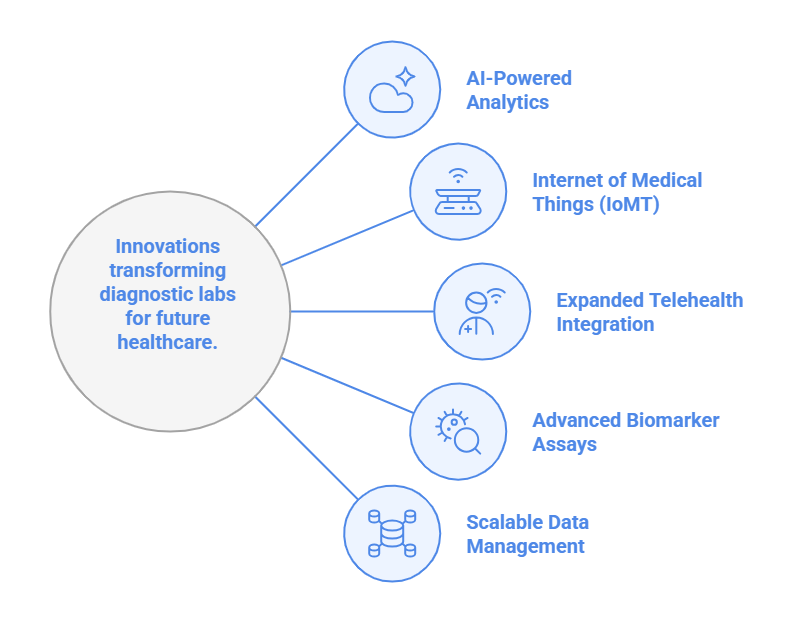
Looking ahead, what exciting things are next? AI-powered analytics and the Internet of Medical Things (IoMT) are completely reshaping diagnostic labs. We see expanded telehealth integration and advanced biomarker assays becoming standard. These medical technology innovations reduce errors, speed up workflows, and ultimately support personalized medicine. Any lab adopting these diagnostic tools is ensuring they have scalable, compliant data management crucial for future-ready healthcare technology systems.
Challenges and Considerations When Adopting New Medical Devices
Okay, let’s be realistic. Adopting shiny new medical devices isn't without hurdles. While innovation is exciting, we must balance it with practical challenges. Acknowledge this: high procurement costs and staff training are major considerations. We also have to worry about integration with existing lab equipment and, critically, ensuring regulatory compliance. Sometimes, limited clinical data or the sheer speed of technology turnover complicates the decision-making process. For diagnostic labs to maximize ROI, proactive planning and engaging all stakeholders are absolutely essential for a successful transition.
Conclusion: Embracing Medical Devices to Transform Diagnostic Labs in 2026
So, what's the takeaway? Embracing cutting-edge medical devices isn't optional; it's essential for diagnostic labs to thrive in 2026. By thoughtfully integrating AI-powered scanners, automation, and digital pathology, we enhance accuracy, efficiency, and patient outcomes. We must prioritize system compatibility and regulatory compliance to maximize our ROI. By adopting these healthcare technology innovations, we can confidently meet growing demands and deliver faster, more reliable diagnoses that will ultimately shape the future of medicine. Are you ready to make the transformation?
Frequently asked questions (FAQs)
- What are the top medical devices revolutionizing diagnostic labs in 2026?
Top devices include AI-powered diagnostic scanners, automated lab equipment, digital pathology systems, and advanced diagnostic tools. These innovations improve diagnostic accuracy, workflow efficiency, and patient outcomes through AI, automation, and advanced imaging. - How do AI-powered diagnostic scanners improve lab diagnostics?
AI-powered diagnostic scanners enhance lab diagnostics by using machine learning for faster image processing, real-time data analysis, and improved accuracy in detecting abnormalities, reducing human error, and speeding up diagnoses. - What benefits do automated lab equipment provide in diagnostic labs?
Automated lab equipment like robotics and liquid handlers streamline workflows by reducing manual tasks, minimizing errors, and enabling continuous, high-throughput sample processing, improving productivity and diagnostic consistency. - How do digital pathology systems enhance diagnostic accuracy in labs?
Digital pathology systems convert glass slides into high-resolution digital images, enabling faster, more accurate analysis, particularly in complex diseases like cancer, and improving workflow efficiency and diagnostic precision. - Why is system compatibility important when selecting medical devices for diagnostic labs?
System compatibility ensures seamless integration with existing Laboratory Information Management Systems (LIMS), reducing data errors, enhancing workflow efficiency, and supporting faster, more accurate diagnoses.
"Get Expert Health Guidance at Your Fingertips - Visit NirogGyan for Tailored Solutions!"