Author: Joyneel Acharya
Last Updated On: 11th November 2025
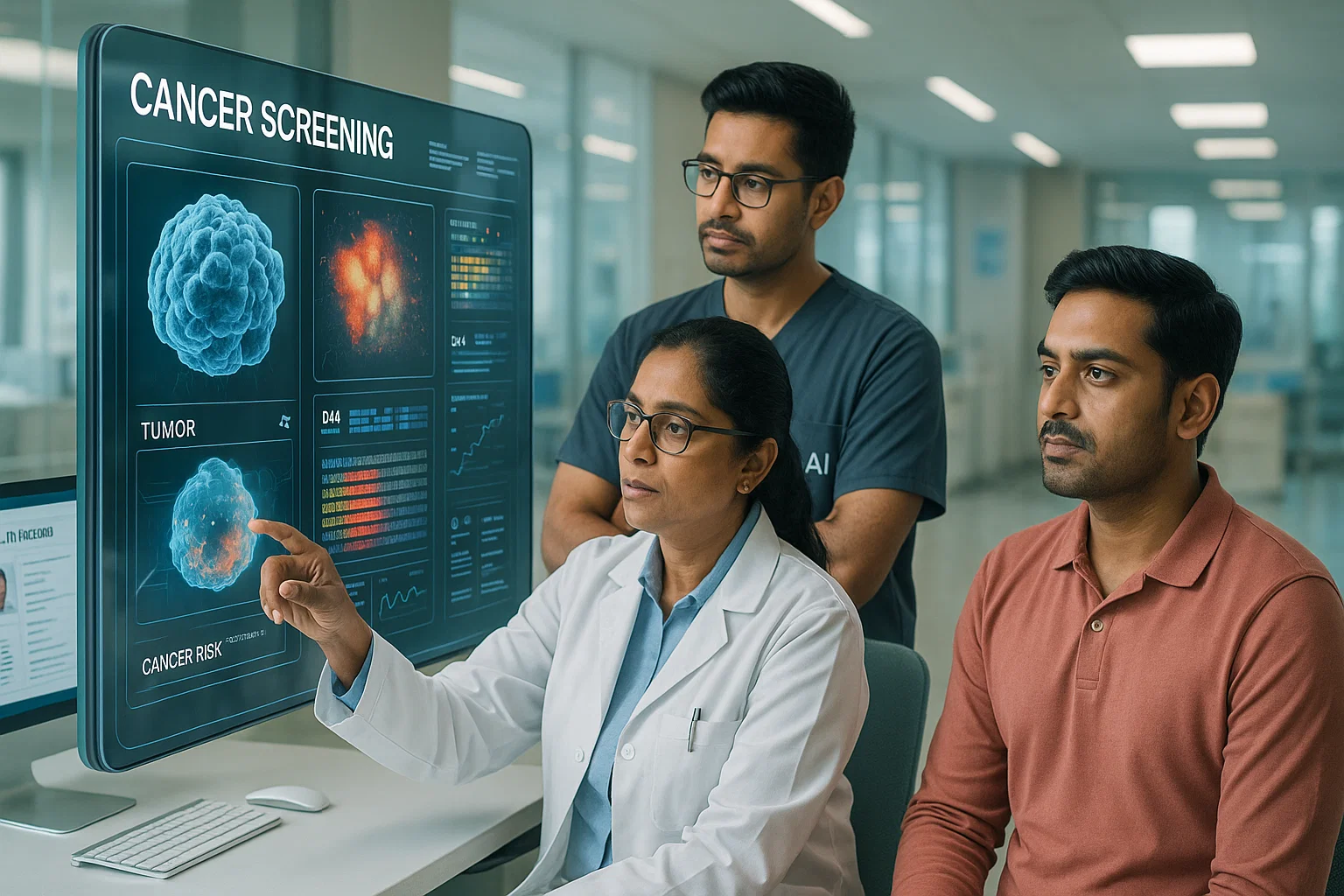
India faces a massive health crisis, don't we? It’s estimated that by 2045, we could see over 2 million cancer cases. That number is staggering. But here’s the most heartbreaking part: currently, a devastating 75-80% of patients receive their diagnosis only when the cancer is already at an advanced stage. When diagnosis is late, treatment success rates plummet.
This is why early cancer diagnosis isn't just a goal; it's absolutely critical for saving lives. Think about breast cancer, which hits our women particularly hard. Cancer screening and using smart cancer diagnosis technology can drastically improve survival rates and even help reduce those skyrocketing treatment costs. We know limited awareness and poor access to screening are major roadblocks. Prioritizing early detection through improved public education and accessible programs is the vital step we need to take to lessen the immense socioeconomic impact of cancer.
Key Takeaways
- Digital tools like AI-powered screening and mHealth interventions are expanding access to early cancer diagnosis in India, particularly in remote and underserved areas, improving detection rates and saving lives.
- India faces a growing cancer burden with over 2 million cases expected by 2045, but currently 75-80% of patients are diagnosed at advanced stages, underscoring the critical need for early diagnosis and increased screening awareness.
- AI-driven technologies such as Thermalytix provide low-cost, radiation-free breast cancer screening suitable for resource-limited settings, while mobile screening vans equipped with AI enable rapid risk assessment and specialist connectivity in rural regions.
- Telemedicine and digital pathology enhance diagnostic precision and patient follow-up, overcoming geographic barriers and infrastructure challenges prevalent in India’s diverse healthcare landscape.
- AI models analyze complex medical data swiftly, identifying early-stage cancers and personalizing treatment plans, thus accelerating diagnosis and improving survival outcomes despite challenges like data privacy and infrastructure gaps.
- Integrating digital health innovations empowers patients with tailored education and facilitates scalable, cost-effective cancer care, ultimately reducing healthcare disparities and improving prognosis nationwide.
Understanding the Cancer Burden and Importance of Early Diagnosis in India
Early detection not only improves prognosis but also empowers patients to choose appropriate care. Increasing public education and expanding affordable screening programs are essential steps.
The Role of Digital Tools in Transforming Cancer Screening
Now, let's talk about how digital tools are completely revolutionising cancer screening in India. These aren't just gadgets; they’re powerful levers enhancing accessibility, accuracy, and the sheer scale of our efforts.
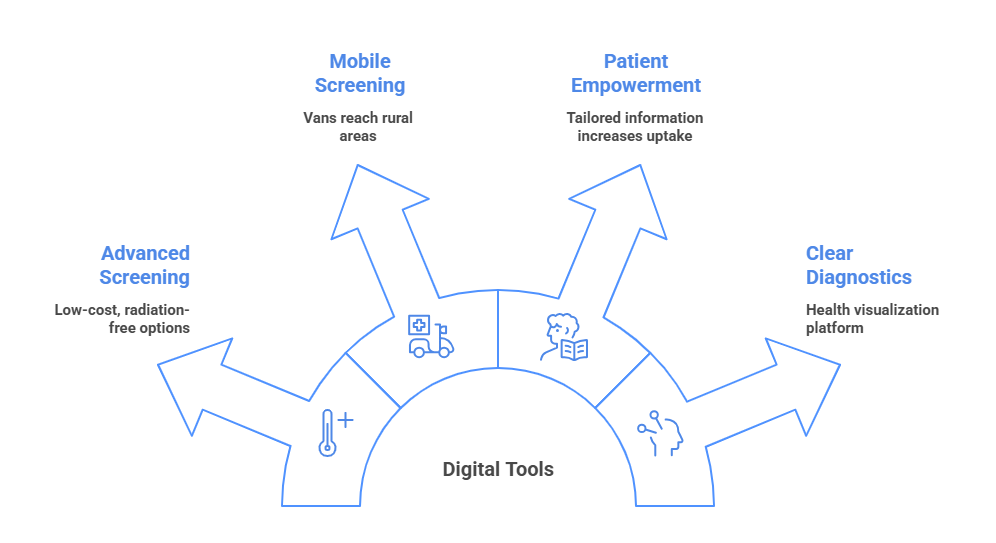
Imagine if breast cancer screening was low-cost and radiation-free, making it perfect for our resource-limited areas? Well, that technology exists! AI-driven innovations like Thermalytix are providing exactly that kind of advanced cancer screening.
I’ve seen this practical approach in action: mobile screening vans, equipped with AI, can roll right into rural areas, perform rapid risk assessment, and connect patients to specialists using cloud platforms. It's genuinely mind-blowing. These digital health tools address massive barriers like geographic isolation and limited specialist availability. Digital decision aids and educational videos empower patients with tailored information, increasing screening uptake. Technologies like NirogGyan's health visualization platform help deliver these complex diagnostics in clear, understandable formats, turning raw data into actionable insights for patients and doctors. By integrating mobile health and AI, we can make sure India’s screening programs achieve wider reach and deliver earlier diagnoses.
Artificial Intelligence (AI) in Healthcare for Cancer Detection
AI isn't just a futuristic concept; it's currently transforming cancer diagnosis technology by analyzing complex data both swiftly and accurately.
Think of it this way: advanced AI models scan medical images CT, MRI, PET scans and digital pathology slides. They can spot early-stage cancers that the human eye might easily miss. That’s massive.
For example, we're seeing cutting-edge health tech innovation where AI-powered paper-based sensors can actually detect lung cancer markers (metabolites) in a patient's saliva. Non-invasive diagnosis? Yes, please!. Machine learning takes it a step further, merging genomic, imaging, and clinical data to personalize the identification of cancer subtypes and refine treatment plans. Furthermore, AI tools, such as those used by NirogGyan, generate personalized AI-based summaries and video reports, helping patients grasp complex results quickly. Despite challenges like infrastructure gaps and data privacy, AI’s precision and scalability make it a vital tool in India’s fight against cancer.
Remote Monitoring Systems Enhancing Patient Care and Follow-Up
How can we ensure continuous, timely care after a patient leaves the clinic? This is where a remote monitoring system in healthcare comes in handy, significantly boosting cancer patient care. I’ve seen how effective these digital health tools are: wearables and mobile apps collect real-time data on vital signs, symptoms, and even treatment side effects.
This enables clinicians to spot complications early. Do you know someone with lung cancer? Wireless pulse oximeters can track their oxygen levels, ensuring swift and necessary treatment adjustments. Remote symptom monitoring platforms, like SMS-based CareSignal, connect patients and providers securely, improving communication and adherence. Won't this reduce costly and stressful hospital visits? Absolutely. By integrating healthcare technology for proactive care, we dramatically improve patient outcomes and survival rates.
Innovations Driving Health Tech Advancements in Cancer Diagnosis
What are the newest breakthroughs accelerating accessibility and precision? Health tech innovation is booming!
Take liquid biopsies, for example. These enable non-invasive detection of cancer DNA in the blood, offering early identification without requiring tissue removal. That's revolutionary cancer diagnosis technology. AI tools like HistoPathXplorer are boosting tissue biomarker analysis accuracy, helping us classify cancer subtypes better.
We’re also seeing specialized imaging systems such as TrueBeam™ providing ultra-precise tumor targeting for diagnosis and treatment planning. Beyond the clinical tools, patient empowerment is key. Platforms that provide clear, personalized advanced reports like health visualization software such as NirogGyan’s Smart Report and digital storytelling increase awareness and screening uptake. NirogGyan utilizes technology to transform complex diagnostics data into clear, actionable insights for patients, doctors, and labs. These innovations tackle the dual challenges of affordability and infrastructure by delivering scalable, faster diagnostics.
Overcoming Challenges in Implementing Digital Tools in India’s Healthcare System
It’s easy to celebrate new digital tools, but we can't ignore the reality on the ground. Implementing healthcare technology successfully in India means confronting infrastructural gaps and socio-cultural barriers head-on. Many people in rural areas still struggle with limited internet access, which seriously hampers the deployment of telemedicine and AI. We also have to acknowledge that low digital literacy and mistrust among some patients and providers won't disappear overnight. Plus, the technical complexity and high cost can restrict scalability, while data privacy concerns demand robust security frameworks.
So, what should we focus on? We need to expand affordable power and internet infrastructure. We must conduct community-based digital literacy programs. Strengthening data protection policies and transparency is essential. We must collaborate with local healthcare workers to earn trust. Integrating digital tools with existing government schemes, like Ayushman Bharat, is a practical scenario that can boost reach and affordability, ensuring equitable cancer screening for everyone.
Impact of Digital Tools on Patient Outcomes and Survival Rates
The ultimate metric is survival, isn't it? Digital tools are definitively improving patient outcomes by enabling earlier, more accurate cancer detection and truly personalized care. AI-enhanced imaging accelerates diagnosis, allowing high-risk patients to receive prompt treatment when they need it most. Remote monitoring ensures continuous symptom tracking, reducing complications and hospital readmissions.
We have evidence showing how effective these digital health tools are: integrating AI and digital platforms can boost early-stage cancer screening detection rates by as much as 30%, directly improving survival chances. Additionally, digital patient education and follow-up apps, including systems like NirogGyan’s Viz App and WhatsApp-based report delivery, enhance treatment adherence, a non-negotiable factor for long-term success. These technologies are closing the treatment gaps in underserved areas, making early cancer diagnosis and care more accessible and improving survival across our entire population.
The Future of Digital Health Tools in Cancer Diagnosis and Care
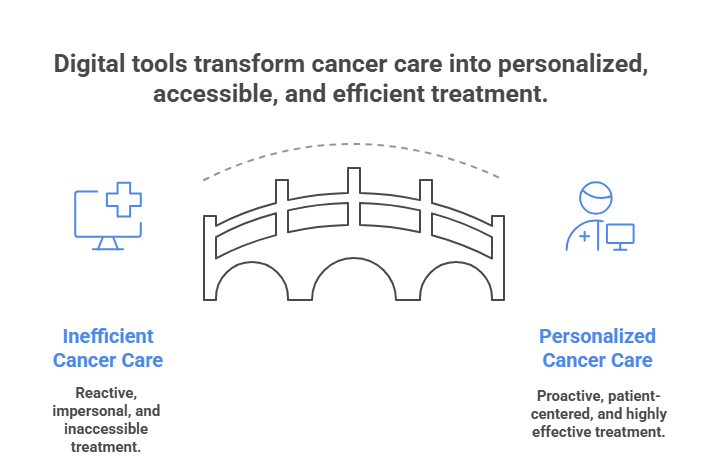
Looking ahead, the future of cancer care is going to be increasingly personalized, accessible, and efficient, all thanks to digital tools. Emerging health tech innovation will deliver continuous, real-time health data via advanced digital sensors and AI-driven remote monitoring. Are we ready for personalized medicine based on our individual genetic profiles? Absolutely! AI’s role in precision oncology will tailor therapies, significantly enhancing effectiveness.
We will also see digital therapeutics integrating with traditional care, offering better adherence and symptom management. However, to truly maximize the impact of artificial intelligence ai in healthcare, we must remain focused on bridging infrastructure gaps and protecting data privacy. Ultimately, these future innovations promise to make cancer care more proactive and patient-centered for us all.
Conclusion: Embracing Digital Tools to Save Lives in India
So, here's the bottom line: digital tools are crucial to fundamentally transforming cancer care in India. By smartly using AI-powered cancer screening, telemedicine, and remote monitoring, healthcare providers can easily bypass many of the traditional geographic and infrastructural roadblocks and reach previously underserved populations. These technologies are improving diagnostic accuracy, enhancing patient engagement, and ensuring effective follow-up.
But this won't happen on its own. To maximize this profound impact, we must address affordability, digital literacy, and data security. Embracing healthcare technology offers us a cost-effective, scalable method to cut cancer mortality. Every stakeholder from policymakers to tech developers needs to collaborate now to ensure equitable access and, most importantly, start saving millions of lives across our diverse nation.
FAQs
1. How are digital tools improving early cancer diagnosis in India?
Digital tools such as AI-powered imaging, telemedicine, and mobile screening vans are expanding access to early cancer detection across India. They enable faster, more accurate diagnosis in remote areas, helping identify cancers at treatable stages and saving lives.
2. What role does AI play in cancer screening and detection?
AI analyzes medical images and pathology data to detect early-stage cancers with high precision. Tools like Thermalytix offer radiation-free breast cancer screening, while AI algorithms interpret CT, MRI, and biopsy data faster than manual methods, improving diagnostic accuracy and outcomes.
3. How do telemedicine and remote monitoring support cancer care?
Telemedicine connects patients with specialists through secure digital platforms, reducing the need for travel and ensuring timely consultations. Remote monitoring apps and wearables track symptoms and treatment side effects, allowing early intervention and continuous care.
4. What challenges exist in implementing digital cancer diagnosis tools in India?
Key challenges include limited internet access, low digital literacy, high equipment costs, and data privacy concerns. Strengthening infrastructure, expanding affordable internet, and training healthcare workers are essential for successful nationwide adoption.
5. What is the future of digital health in cancer diagnosis and care?
The future lies in AI-driven personalized treatment, real-time remote monitoring, and digital therapeutics that integrate with traditional care. These innovations will make cancer diagnosis more proactive, affordable, and accessible, significantly improving survival rates across India.
“Get your Smart health report instantly with NirogGyan. Experience fast, digital, and easy-to-understand medical test reports that simplify your health journey anytime, anywhere.”